
 E-Paper



Yes, yes! Oh, yes! Here’s why it’s OK to heart romance novels

 Prefer HTon Google


Greek tycoons. Shy cowboys. Damsels, vampires, quivering members, steamy sex. Why hate on romance novels when we can all just enjoy them?
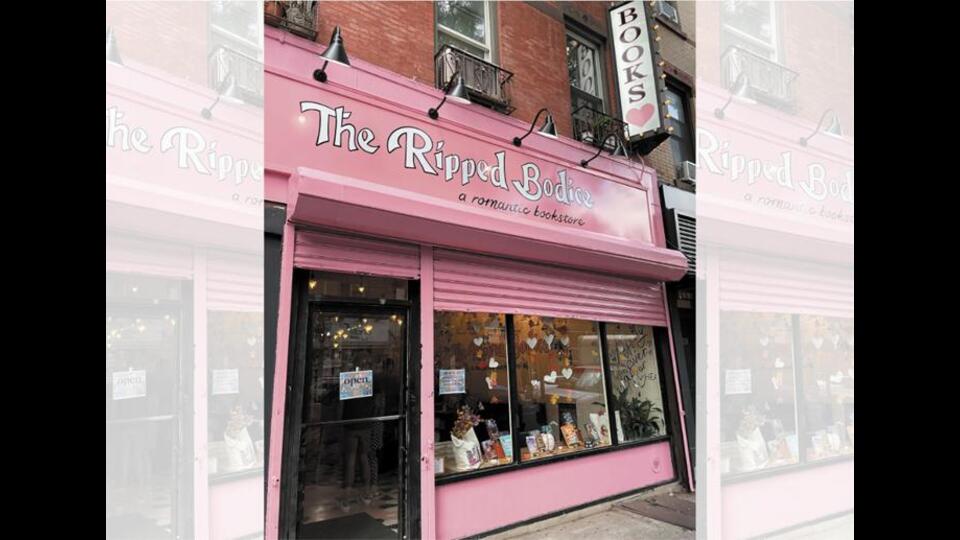
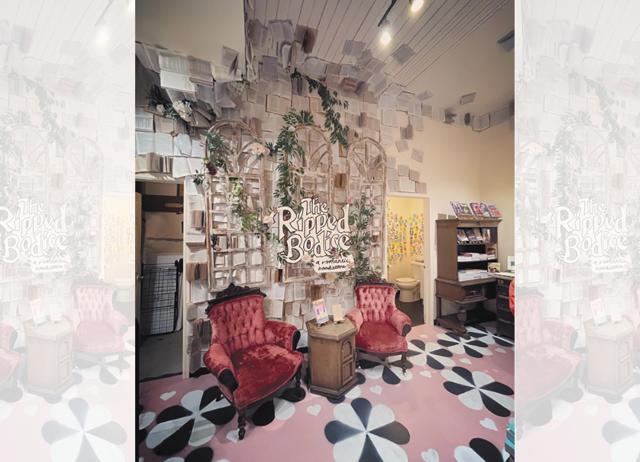
The Brooklyn location, which opened in August, wasn’t even the first outpost of The Ripped Bodice. There’s been one in Los Angeles since 2016. Fans went nuts anyway. Many fans travelled for the opening and there were queues of readers waiting to get in. The store’s décor features novels hanging from the ceiling. There are Victorian-style birdcages, deep wingback chairs, fake flowers and a shelf full of blind-date novels (books covered in gift wrap, with only a one-sentence description on the cover). Of course, the entire store sells only romance novels.
More than 280 years since Samuel Richardson published the first romance novel, Pamela; or, Virtue Rewarded, in 1740, the genre is a world unto its own. They keep publishers afloat. They fill libraries and second-hand markets. They’re where Hollywood goes looking for blockbusters. Last year they raked in $1.4 billion in revenue, outselling crime and sci-fi and making up 25% of all books sold.
And yet, critics complain that they’re just full of tired cliches. Priya Chaudhary, who runs the Instagram account @TheReadingWanderer, says that’s exactly what makes them fun. They may just be the one place outside of Bollywood where stereotypes are not just expected, they’re celebrated.
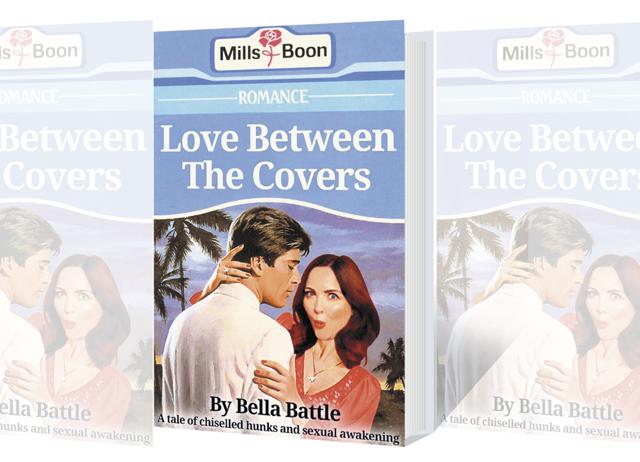
Mills & Boon set the template. There’s usually a damsel in distress who’s determined to get by on her own. (A virgin, obviously). The heroes are Greek shipping heirs battling dark pasts, CEOs who’ve never known fun, cowboys who’ve inherited dad’s acres. The hero, invariably, is captivated by how different and refreshing the damsel is from the characterless women he’s met. They’re thrown together for the night (Hello, snowstorm!). Breasts heave, lips are lush. They climax together. They also awkwardly go their separate ways the next morning. Three weeks later, our damsel is pregnant and is determined to keep it a secret. What happens next is anyone’s guess.
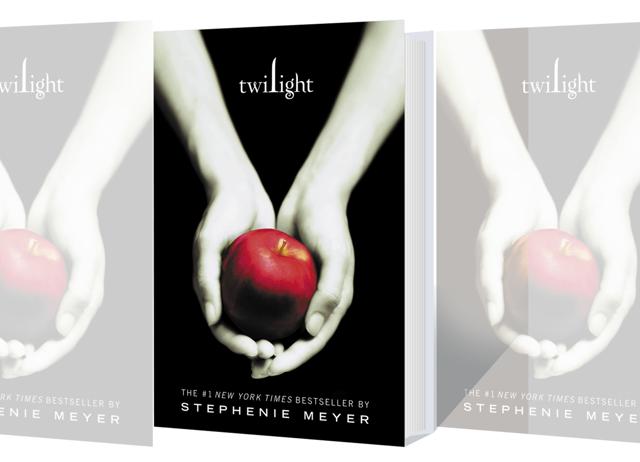
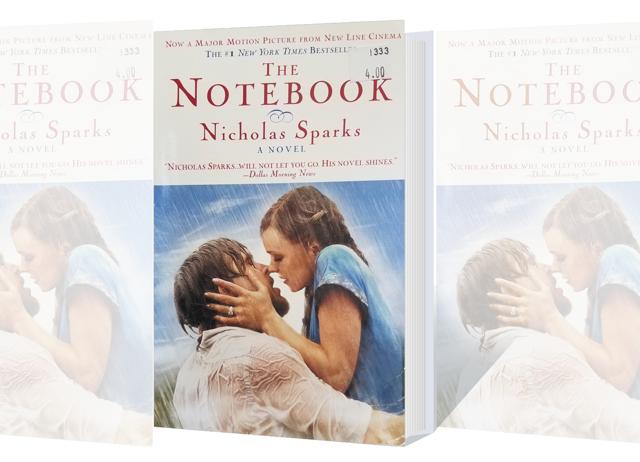
Just kidding. No guessing required in romance novels. The two make their way back to each other for a happily ever after (known as HEA in the romance novel world). Write in a death and you get a Nicholas Sparks novel. Add in vampires and Twilight emerges. Mix it up with some terrible kinky sex and there’s 50 Shades of Grey. Throw in some time travel and it’s basically Outlander.
All of them offer the same thing: the promise of a happy ending. And for 280 years, the world has looked down upon them. “Reading romance novels doesn’t make you stupid,” says Chaudhary. “Women - and men - can be critical of the genre and still enjoy the distraction it offers. Have you ever met a man IRL who lived up to the heroes in romance novels?”
Singer Anmol Malik has written two romance novels: A Plane Story and Three Impossible Wishes. She acknowledges that the plots allow for only one outcome. Yet “there are various devices to switch up the narrative”. In other words, readers know where they’re going; they’ve signed up for the ride.
Crime novels follow much the same format. But let’s face it, love is more enjoyable than murder. “It’s a nice feeling, the promise that something extraordinary could happen on an ordinary Thursday afternoon,” she says. “It would be unfair to write off a whole genre just because one hasn’t found their story yet, the one that connects. My bookshelf has Douglas Adams and Agatha Christie. But I can also recite Bridget Jones’s Diary cover to cover.”


