
 E-Paper



You got played: Why does English theatre lag behind in India?

 Prefer HTon Google


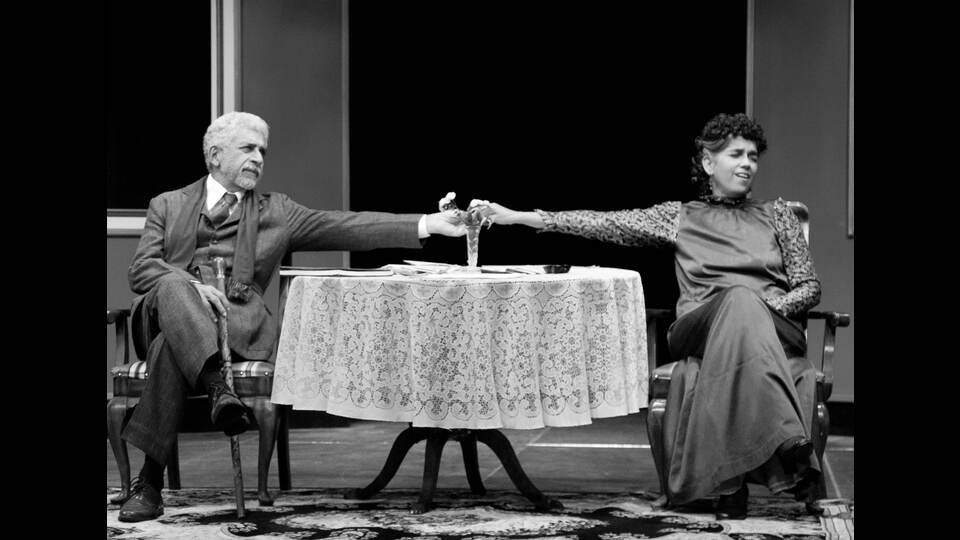
We hum tunes in English, binge TV, spoken word acts and comedy in it. Why, pray tell, does theatre not have the same mass appeal?
All the world’s a stage? Then how come some stage events do better than others, even though they’re in English too? In the last few months alone, Indians booked early-bird tickets to gigs and music festivals, singing along to The Backstreet Boys, Halsey and Sting. But barely a fraction of those folks attended a play. Comedian Vir Das has sold out bigger concert halls than Indian playwrights tend to do. Spoken Fest claims to be Asia’s largest spoken-word gathering and packs out arenas in Delhi and Mumbai; theatre festivals, in comparison, fill far fewer seats.
Even within the theatre world, there seems to be a divide. Tickets to the Hindi-language musical Mughal-e-Azam cost as much as ₹7,000 and most shows were sold out. Parsi, Gujarati, Marathi, Hindustani, and Hindi plays have small but dedicated audiences in big cities. English, with far more speakers, rarely outperforms them at the box office. How come, 193 years after Krishna Mohan Banerji’s The Persecuted, the first Indian play in English was staged in Calcutta, English theatre in India still stands on thin ice?
Perhaps we’re coming at this wrong, says Meherzad Patel, 35, a playwright who founded the Mumbai-based theatre company Silly Point Productions in 2008. Patel points out that theatre and standup are different: “In theatre, even in comedy, you don’t just make a joke. You need to build characters that relate to your audience. Stand-up does not need high production value; it’s unfiltered. I love good stand-up, but it’s not our competition.”

Patel says that he enjoys getting audiences to laugh in English, a language they don’t always speak at home. One of his longest-running productions, The Devil Wears Bataa, has played 45 shows in Mumbai, Delhi, Indore and Guwahati since 2019. It’s a political satire featuring an obnoxious, orange-faced businessman in the Oval Office, and an astute turbaned man, an Indian prime minister, hatching wily plots to find their successors. “It’s made me a lot of money,” he acknowledges, happily.
And yet, for most people considering an evening out with live entertainment, a comedy play is often trumped by live comedy, or even a much-staged musical. Since it opened a year ago, the Nita Mukesh Ambani Cultural Centre has imported productions of The Sound of Music, West Side Story and Matilda. “What the NMACC is doing is great, by getting international English musicals to India,” says theatre actor and director Quasar Thakore Padamsee. “But their Grand Theatre is a 2,000-seater venue.” No homegrown English production has run there yet.
Like theatre in every regional language, English theatre struggles with funding. It’s changed slowly but steadily through the decades. “I met a friend the other day who works in streaming networks and films, while continuing to do English theatre,” Thakore Padamsee says. “He said that earlier, theatre would pay for his cigarettes. Now it pays for his petrol.” What’s helped is that over the last few decades, playwrights have been crafting plays in English for an Indian viewership. “The stories being performed aren’t about John and George anymore, but about an Anand and Vikram,” Thakore Padamsee says.
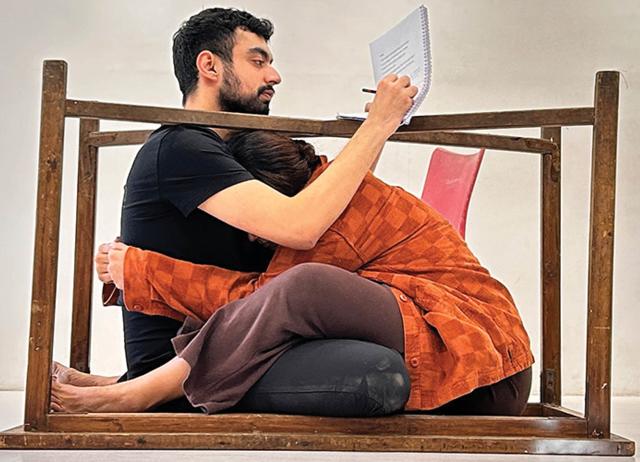
Thakore Padamsee identifies what might be the key to all the questions: We have an “English-literate audience, but not an English-listening audience,” he says. “English films are subtitled in English, so viewers can read the dialogues while watching the film.” The challenge then, is to get a theatre audience to listen to a play unfolding live in English, unaided.
It’s probably why so many creative folks tend to give up on English theatre. In Kolkata, 29-year-old media executive Navamita Chandra wrote and directed two English plays between 2015 and 2021. She’s gravitated to her native language, Bengali, since then. “English has takers,” she acknowledges. “But when one communicates in the language of the land, it taps into a different pulse.”


