
 E-Paper



Coronavirus: Universally effective antibodies found in Covid-19 survivors, may help develop vaccine

 Prefer HTon Google


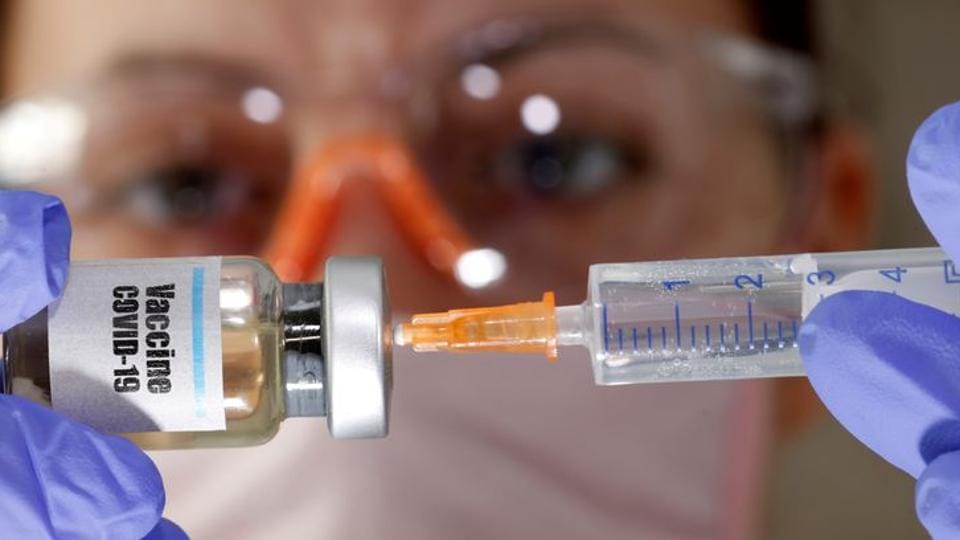
A study of 149 people who recovered from COVID-19 shows that most individuals had generated at least some antibodies that were intrinsically capable of neutralising the SARS-CoV-2 virus, scientists say.
A study of 149 people who recovered from COVID-19 shows that most individuals had generated at least some antibodies that were intrinsically capable of neutralising the SARS-CoV-2 virus, scientists say, a finding that may help develop a universal vaccine for the disease.
The first results from an immunological study of these patients by researchers from rockefellar university in the US also found that the amount of antibodies generated varied widely.
Antibodies vary widely in their efficacy. While many may latch on to the virus, only some are truly “neutralising” meaning that they actually block the virus from entering the cells, the researchers noted.
The scientists collecting blood samples from volunteers who have recovered from COVID-19, according to the findings shared on pre-print server BioRxiv ahead of submission to peer-reviewed scientific journals.
The majority of the samples they studied showed poor to modest “neutralising activity,” indicating a weak antibody response, the researchers said.
However, a closer look revealed everyone’s immune system is capable of generating effective antibodies -- just not necessarily enough of them, they said.
Even when neutralising antibodies were not present in an individual’s serum in large quantities, researchers could find some rare immune cells that make them.
“This suggests just about everybody can do this, which is very good news for vaccines,” said Michel C. Nussenzweig from Rockefeller University.
“It means if you were able to create a vaccine that elicits these particular antibodies, then the vaccine is likely to be effective and work for a lot of people,” Nussenzweig said.
Moreover, the researchers identified three distinct antibodies that were shown to be the most potent of the bunch in neutralising the virus.
They are working to develop them further into therapeutic and preventive drugs.
From the beginning of April and over 5 weeks, 149 people who had recovered from COVID-19 visited The Rockefeller Hospital to donate plasma, the portion of the blood that contains the antibodies, and the immune B-cells that produce them.
The participants had experienced symptoms for an average of 12 days, and had their first symptoms on average 39 days before plasma donation.
The team used an essay they had developed to test the neutralising activity of the plasma samples.
This involved mixing the plasma with a pseudo SARS-CoV-2 virus and measuring how well this mixture could still infect human cells in a dish.
(This story has been published from a wire agency feed without modifications to the text. Only the headline has been changed. )


