
 E-Paper



Photos: Pakistan’s chili capital struggles with climate change
Monsoon floods wrecked havoc across Pakistan in August and September, on the back of several years of high temperatures that have left chili farmers struggling to cope. Pakistan is ranked fourth in the world when it comes to chili production, with 150,000 acres (60,700 hectares) of farms producing 143,000 tonnes annually. The more extreme climate conditions are hitting rural economies hard, farmers and experts say, underscoring the vulnerability of swathes of South Asia's population to changing weather patterns.
Published on: Nov 22, 2022 9:20 PM IST


Share via


Copy link

1/5
 View Photos in a new improved layout
Published on Nov 22, 2022 9:20 PM
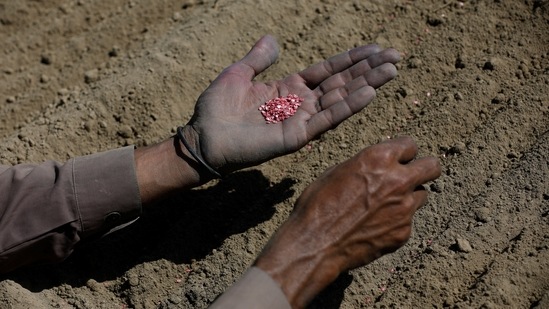
A farmer holds hybrid red chili pepper seeds on his palm as he plants saplings, in Kunri, on March 18. Pakistan is ranked fourth in the world for chili production, with 150,000 acres (60,700 hectares) of farms producing 143,000 tonnes annually, Reuters reported. (Akhtar Soomro / REUTERS)
2/5
 View Photos in a new improved layout
Published on Nov 22, 2022 9:20 PM
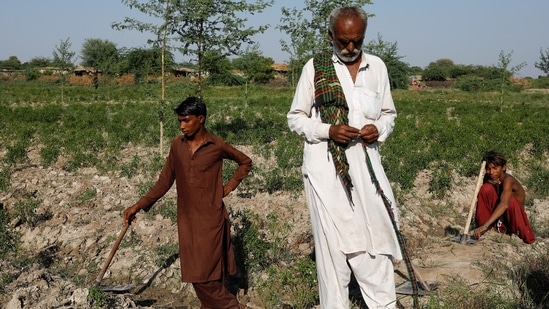
Farmers on a break from preparing the soil after heavy floods in Kunri, on October 15. Before the floods, rising temperatures in the area had made it harder to grow chili, which needs more moderate conditions. (Akhtar Soomro / REUTERS)
3/5
 View Photos in a new improved layout
Published on Nov 22, 2022 9:20 PM
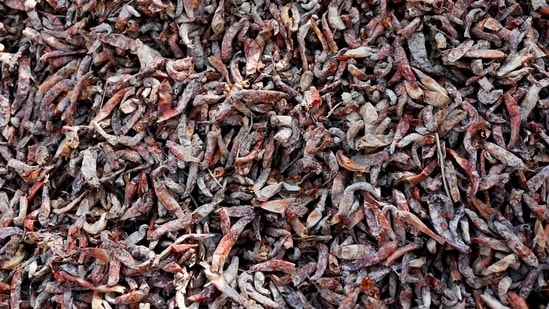
Red chili peppers after being submerged in rain water during the monsoon floods in Kunri, on October 15. (Akhtar Soomro / REUTERS)
4/5
 View Photos in a new improved layout
Published on Nov 22, 2022 9:20 PM
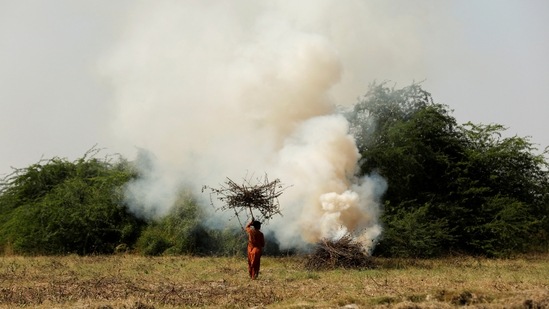
A worker burns cotton plants damaged by rain water and floods to prepare the soil for the next crop, in Kunri, Umerkot, on October 16, 2022. After heavy flooding inundated his farm a few months ago, Kunri farmer Faisal Gill decided to sacrifice his cotton crops to try to save chili. (Akhtar Soomro / REUTERS)
5/5
 View Photos in a new improved layout
Published on Nov 22, 2022 9:20 PM


