
 E-Paper



US asks tech giant to stop export of AI chip to China, Beijing opposes move
The Nvidia and AMD chips are basically used for artificial intelligence and machine learning applications, which includes developing training modules for natural language processing. These modules could be beneficial for militaries in modelling bomb simulations and designing weapons.

 Prefer HTon Google


The United States has asked technology giants Nvidia Corp and its rival Advanced Micro Devices (AMD) to stop exporting artificial intelligence chips to China, a move seen as part of Washington DC's technological crackdown on Beijing amid the tensions in Taiwan.
The Chinese commerce ministry has opposed the action, stating the US move undermines legitimate rights and interests of Chinese companies and seriously affects the interests of US companies, Reuters reported.
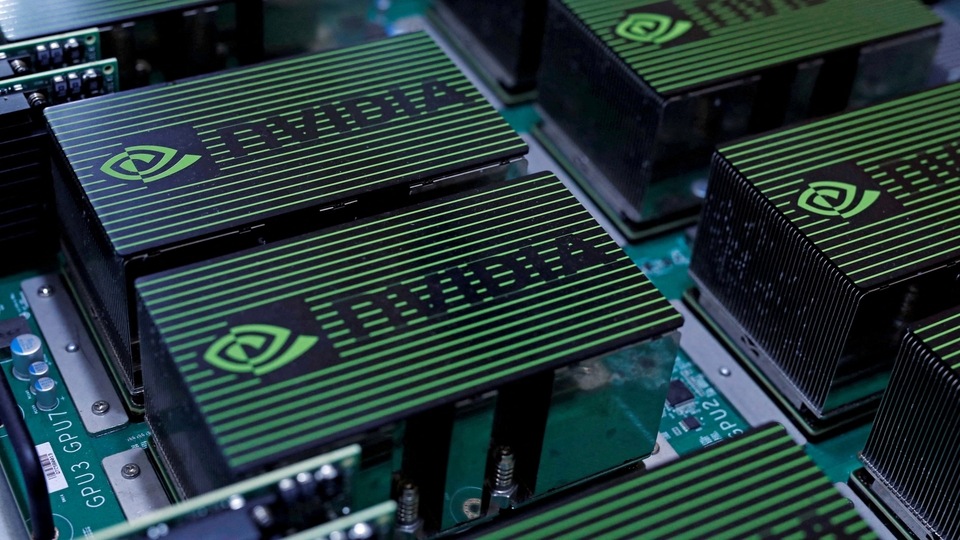
The directive led to the shares of Nvidia falling by 11 per cent on Thursday, wiping out more than $40 billion in market value, Reuters reported. Nvidia cited that the US move to restrict the exports of its two top computing chips H100 and A100 to China could hurt its business in the market.
ALSO READ: Facing Chinese threat, what’s at stake for Taiwan’s semiconductor industry
The move by Washington comes amid the tensions over access to advanced chip technology and Taiwan, which is the source of chips for Nvidia and nearly all semiconductor companies.
Angelo Zino, a research analyst, told Reuters that it looked like the Biden administration is looking to refrain from sales of next generation advanced chips, 7 nanometres and below, specifically for military end use by China.
The Nvidia and AMD chips are basically used for artificial intelligence and machine learning applications, which includes developing training modules for natural language processing. These modules could be beneficial for militaries in modeling bomb simulations and designing weapons, Reuters reported.
According to market analysts, the restrictions are likely to hit a large number of Chinese tech giants including Alibaba Group, Tencent Holdings, Baidu Inc and Huawei Technologies.
Nvidia had said that the move could interfere with the development of its H100 chip which is expected to ship later this year. On Thursday, the company said that the US government allowed the tech transfer and exports needed to complete the development of H100 chip. The US officials have reportedly authorised the company to carry out exports needed to provide support for the US customers of A100 through March 1 next year.
The company has also been allowed to fulfil orders of the chips via its Hong Kong facility through Sept. 1, 2023.
Chinese customers are still required to obtain licenses from the U.S. government for the technology, a spokesperson for Nvidia said. AMD did not respond to a request for comment on whether it received a similar authorisation.


