
 E-Paper



Taliban regime bans wired internet in Afghan province, cites ‘immorality’ concerns; mobile data stays for now
A Taliban government spokesman said that an alternative will be built within the country for necessities.

 Prefer HTon Google


The Taliban administration has banned fibre-optic internet in an Afghan province to “prevent immorality,” a spokesman for it said on Tuesday, according to the Associated Press.
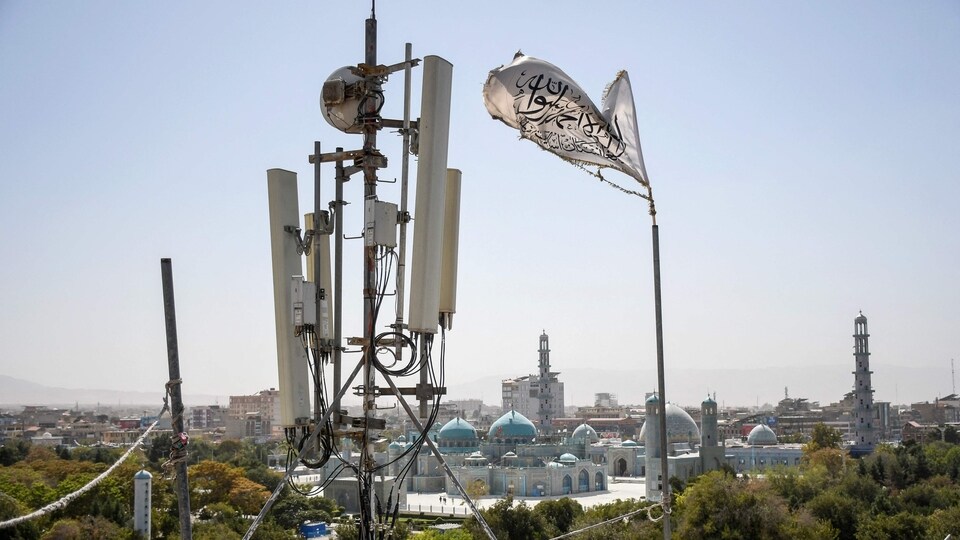
Haji Attaullah Zaid, a provincial government spokesman, said there was no longer cable internet access in Balkh following a “complete ban” order issued by the leader Hibatullah Akhundzada.
“This measure was taken to prevent immorality, and an alternative will be built within the country for necessities,” Zaid told The Associated Press.
He, however, did not elaborate why Balkh was chosen for the ban or whether the shutdown would spread to other provinces.
Also Read | Afghan women recount neglect as Taliban rules block their rescue after quake
This is the first time a ban of this kind has been imposed since the Taliban seized power in August 2021.
It leaves government offices, the private sector, public institutions, and homes in northern Balkh province without Wi-Fi internet.
Mobile internet remains functional, however, according to the Associated Press.
A Balkh resident told the news agency that he had noticed connectivity issues a few days ago at home and contacted his service provider, who said that it was a techincal issue.
Also Read | Thousands of Afghans expelled from Pakistan despite quake
“Blocking the internet is beyond my comprehension in such an advanced era,” said the resident, who spoke on condition of anonymity for fear of Taliban reprisals.
He told The Associated Press that he rarely used mobile internet because it was slow and expensive. There were six people in his household, including a student, and they all used and needed Wi-Fi.
A fast and stable internet connection was also important for his work, which involved dealing with people and companies located outside Afghanistan.
“If this ban continues, it will not only be detrimental to my business but also to others because all our business is done on the internet,” said the resident. “We do business with people in the outside world and maintain relationships through it. I might have to move from Mazar-e-Sharif (the capital of Balkh) to another province because I cannot afford the loss.”


