
 E-Paper



US lawmaker introduces resolution declaring atrocities against Bengali Hindus in Bangladesh in 1971 as genocide
Greg Landsman moved the resolution in the US House of Representatives on Friday and it has been referred to the Committee on Foreign Affairs.

 Prefer HTon Google


A US Congressman has introduced a resolution in the Congress seeking to recognise the atrocities committed against Bengali Hindus on March 25, 1971, as "war crimes and genocide".
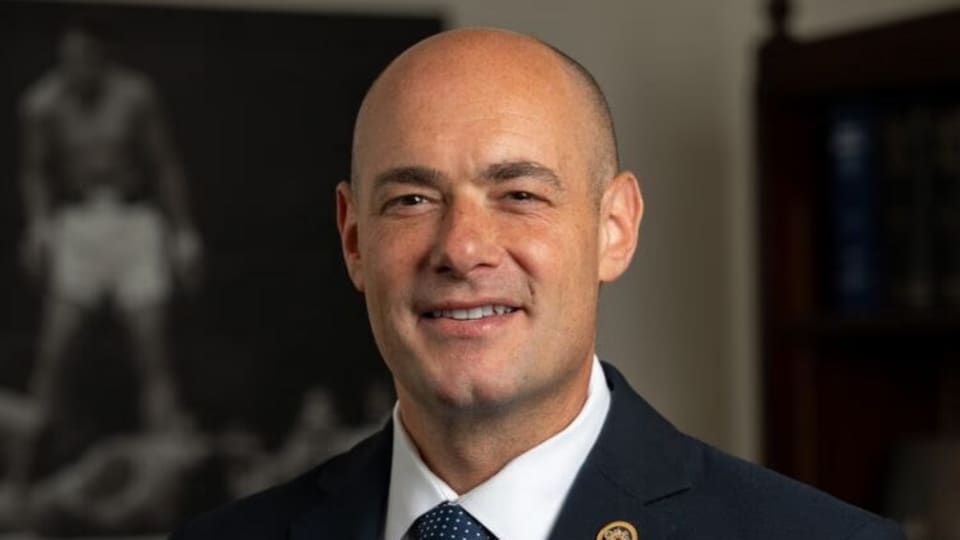
Greg Landsman, a Democrat Congressman from Ohio, moved the resolution in the US House of Representatives on Friday and it has been referred to the Committee on Foreign Affairs, PTI reported.
The resolution states that on the night of March 25, 1971, the Pakistani government imprisoned Sheikh Mujibur Rahman and its military units, along with radical Islamist groups inspired by the ideology of Jamaat-e-Islami, began a crackdown throughout East Pakistan.
Also Read: Bangladesh FM’s India trip likely in April, first since Tarique Rahman took power
The operation, codenamed 'Operation Searchlight', involved widespread massacres and atrocities by the Pakistani Army and its allies, Jamaat-e-Islami, against Bengali Hindus.
What did the resolution say?
The resolution points out to events unfolded in March 1971 and calls for the US House of Representatives to condemn the atrocities committed by the Pakistani Armed Forces against the people of Bangladesh.
The Ohio Congressman said that following Sheikh Mujibur Rahman's arrest on March 25, the Pakistani government began a crackdown against Bengali Hindus.
On March 28, 1971, the US Consul General in Dacca, Archer Blood, sent a telegram to Washington titled 'Selective Genocide', in which he wrote, "Moreover, with support of Pak military, non-Bengali Muslims are systematically attacking poor people's quarters and murdering Bengalis and Hindus", according to the resolution. The message was known as the 'Blood Telegram'.
Landsman noted that on April 6, 1971, Archer Blood sent an objection to the official US Government silence on the conflict, signed by 20 members of the Consulate General Dacca.
Also Read: Bangladesh man arrested for sending fake bomb threats to Gurugram schools: Police
"But we have chosen not to intervene, even morally, on the grounds that the Awami conflict, in which unfortunately the overworked term genocide is applicable, is purely an internal matter of a sovereign state," the telegram of the then diplomat read.
The resolution said that religious minority Hindus were targeted in Bangladesh and exterminated through "mass slaughtering, gangrape, conversion, and forcible expulsion."
It also "recognizes that while the Pakistani Army and its Islamist allies indiscriminately mass-murdered ethnic Bengalis regardless of their religion and gender, killed their political leaders, intellectuals, professionals, and students, and forced tens of thousands of women to serve as their sex slaves," according to the report.
However, it added that the entire ethnic groups or religious communities were not responsible for the crimes committed by their members.
The resolution calls on the US President to recognise the atrocities committed against ethnic Bengali Hindus as crimes against humanity, war crimes, and genocide.


