
 E-Paper



Being a woman can’t be ground for lesser punishment: SC on plea of leniency
Found guilty of criminal offences, the Himachal Pradesh high court had sentenced the woman to two years of jail and asked her to pay a fine of Rs 2,000. When she pleaded that she was a woman with three minor children to look after, the HC did not send her to jail.

 Prefer HTon Google


Being a woman cannot be a ground for lesser punishment, the Supreme Court has said while setting aside a lower court order sparing jail term to a woman convicted of attempted murder.
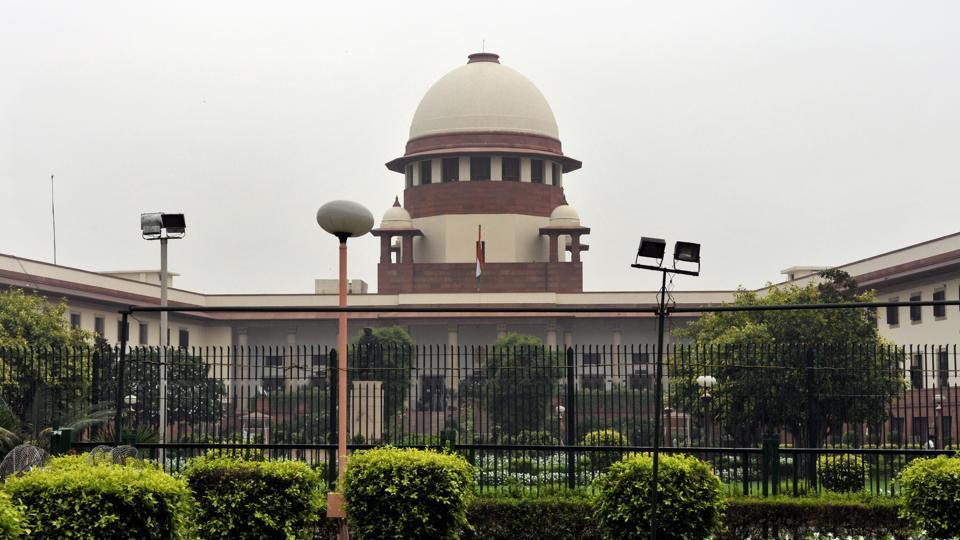
Found guilty of criminal offences, the Himachal Pradesh high court had sentenced the woman to two years of jail and asked her to pay a fine of Rs 2,000. When she pleaded that she was a woman with three minor children to look after, the HC did not send her to jail.
“Women are competing (with) men in the criminal world; they are emulating them in all the crimes; and even surpassing men at times. Therefore, concept of criminal justice is not necessarily synonymous with social justice,” a Supreme Court bench of justice AK Sikri and justice RK Agrawal said.
Himachal Pradesh had challenged the HC order.
The bench admitted that in the past, the SC had taken gender as a relevant circumstance while fixing the quantum of sentence. But it referred to international jurists who have stressed that in this world of gender equality, women should be treated at par with men even as regards equal offences committed by them.
The bench said a jail term would depend upon the facts of each case. “…Where a woman has committed a crime being a part of a terrorist group, mercy or compassion may not be shown,” the court said.
It was erroneous on the HC’s part to show leniency in the case because the trial court had already done so.
Under Indian laws, the woman could have been sentenced to 10 years of imprisonment. Yet, the trial court did not impose the severe punishment but handed down a simple imprisonment of two years for the offences.
“There was no reason to show any further mercy by the HC,” the bench said.


