E-Paper



UP government plans death penalty for illicit liquor manufacturers
The government will amend various sections of UP Excise Act, 2010 to punish the guilty with life imprisonment or Rs 10 lakh penalty or both or capital punishment in case of a death or a permanent disability caused to a person after consuming illicit liquor.

 Prefer HTon Google


People engaged in manufacturing and selling illicit liquor in the state may get death penalty in case of death or permanent disability to those who consume their produce.
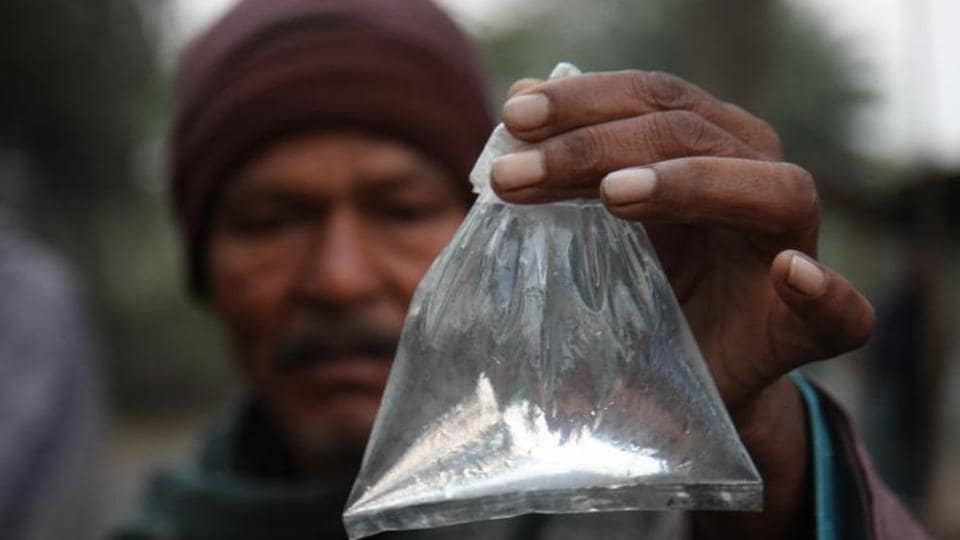
Giving a stern message to those running spurious liquor trade in Uttar Pradesh, the state cabinet on Tuesday gave approval to an important proposal seeking amendment to the Excise Act in this regard, government sources said.
As per the proposal, the government will amend various sections of the UP Excise Act, 2010 and add a new section 60 (A) for the purpose. The governor will soon promulgate an ordinance giving effect to the proposed amendments.
The new section seeks to provide punishing the guilty with life imprisonment or Rs 10 lakh penalty or both or capital punishment in case of a death or a permanent disability caused to a person/persons after consuming illicit liquor. The other to-be amended sections seek to enhance the financial penalties significantly in other offences related to illicit liquor.
UP seems to have taken a cue from Gujarat where Narendra Modi as the chief minister of the state had introduced the provision of capital punishment in such an offence in 2011. The authorities feel that the provision for life imprisonment and death penalty may act as some deterrent in the state where hooch tragedies take place frequently.
In July only, 17 people died in Azamgarh after they consumed spurious liquor. Earlier 28 people died in a similar tragedy in Malihabad area of Lucknow in 2015.
Making a case for harsher punishment with regard to illicit liquor trade, the excise department had pointed out to the government that large-scale import of illicit liquor from some neighbouring states, especially Haryana, was not only making a significant dent into the department’s revenue but also causing hooch tragedies leading to death or disabilities to people in the state.
The cabinet also approved another proposal of excise department’s seeking to end the specified excise duty on liquor with effect from April 4, 2016 and consider the consideration fee as excise duty with effect from the same date.
The move, according to sources, would save liquor traders from the liability of paying service tax in the wake of Centre’s Finance Act, 1994 (Service Tax) as amended by the Finance Act, 2016.
“This in turn will demotivate traders to increase price or sell spurious liquor to make up for the service tax payment, that is around Rs 23,000 crore up to April 2016,” said sources.
The cabinet is also said to have okayed a proposal for giving arrears due to employees as a result of implementation of the seventh pay commission’s recommendations.