
 E-Paper



Essay: Of Bharat, India and Hindustan
The idea of decolonization forces us to confront the uneasy coexistence of three different ideas of India that have jostled for supremacy since the birth of the country in 1947

 Prefer HTon Google


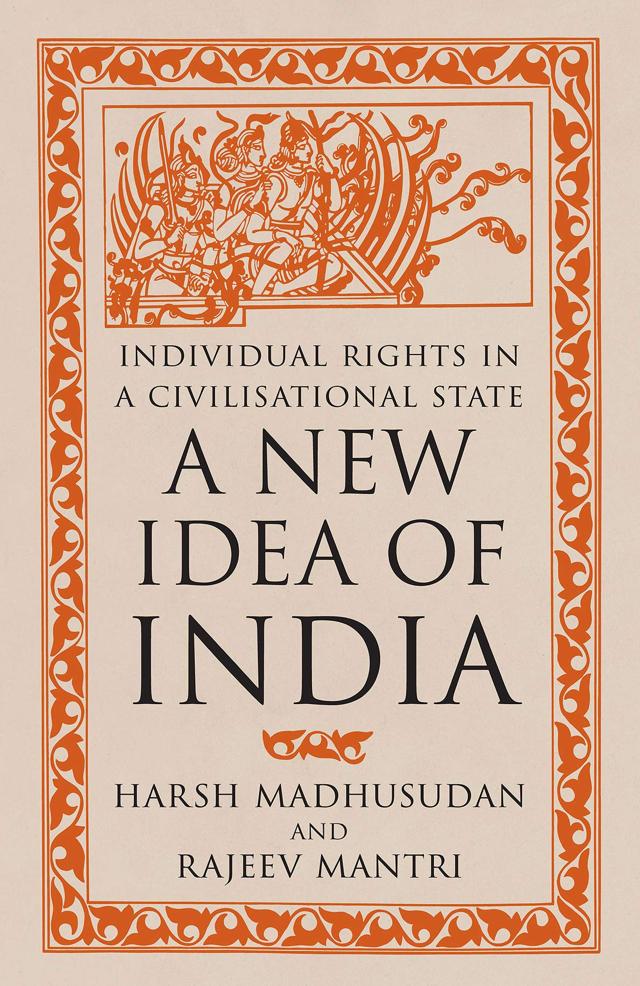
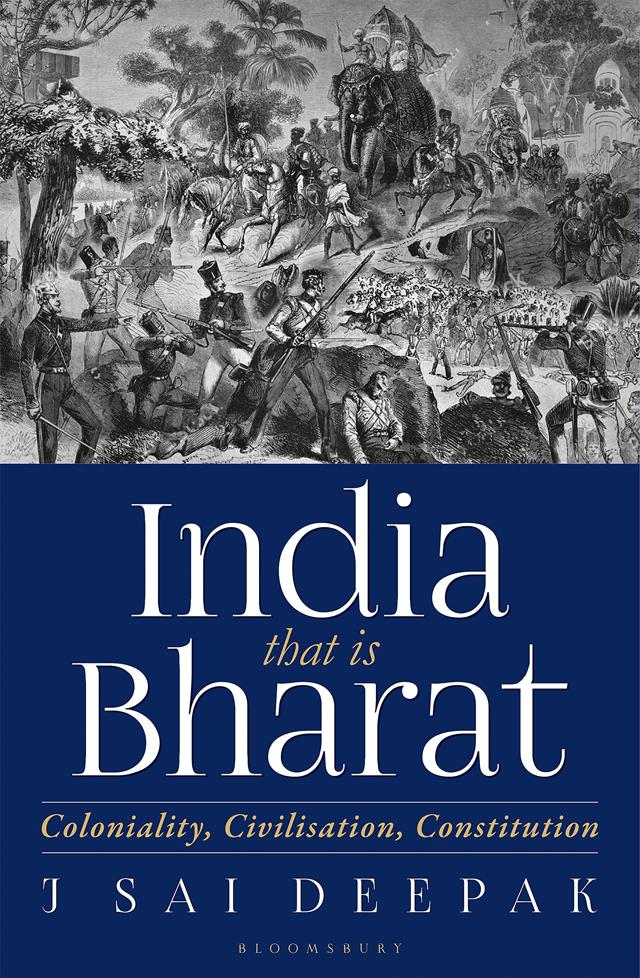
There have, in recent years, been a number of books written by people with clear Hindu nationalist positions that present their critiques of liberal India. The idea of India as Bharat, and of decolonization, are common themes that often run through them. In 2020, for example, A New Idea of India: Individual Rights in a Civilizational State by Harsh Madhusudan and Rajeev Mantri, was published. It began with a section titled India, that is Bharat, and ended with one on Decolonizing the Indian State. Another more recent book, titled India, that is Bharat by J Sai Deepak, is described by its publishers, Bloomsbury, as an exploration of European “colonial consciousness” on “Bharat as the successor state to the Indic civilization and the origins of the Indian constitution”. Here, too, the ideal is decolonization for the establishment of a civilisational state of Bharat, or in other words, a Hindu Rashtra.
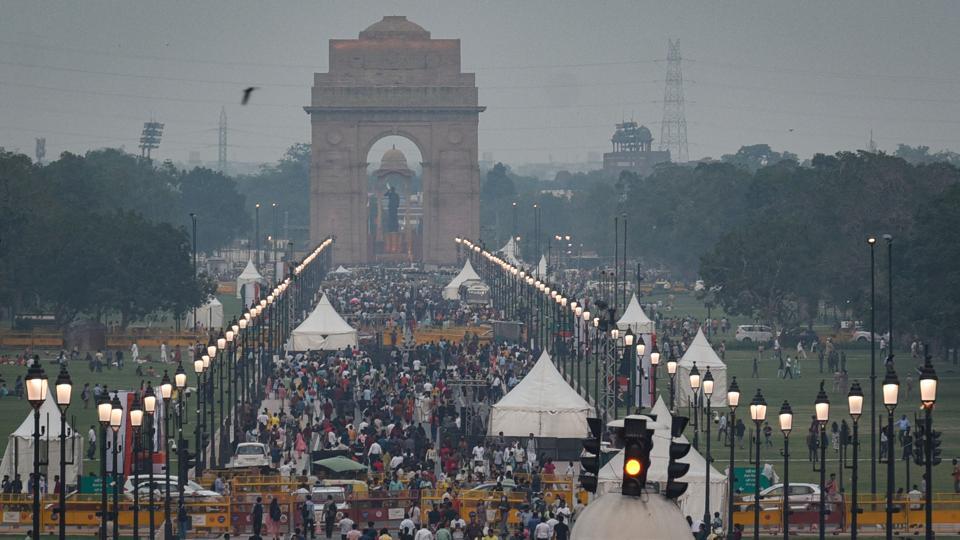
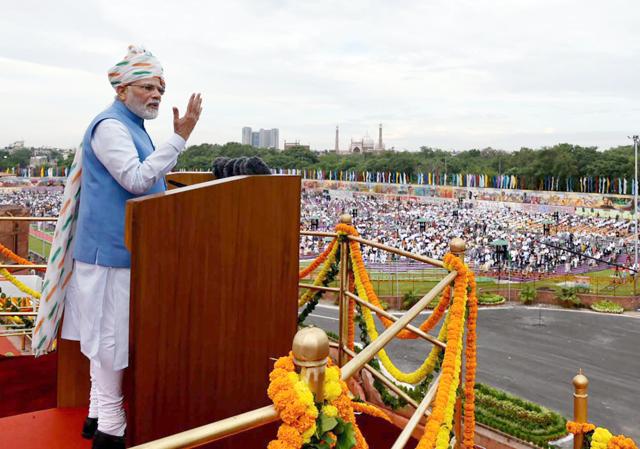
The desire on the part of the Bharatiya Janata Party and Rashtriya Swayamsevak Sangh to establish a Hindu Rashtra is not something they have ever been shy of expressing. On the contrary, they have always championed the “decolonization” efforts that would restore a pristine Hindu India. Recent events such as the renaming of Rajpath to Kartavya Path are a clear part of such “declolonization”. Media reports after the renaming quoted unnamed government sources saying this was in line with Prime Minister Narendra Modi’s panch pran or five resolutions announced from the ramparts of Red Fort in his latest Independence Day speech, of which the second resolution was the “removal of any trace of colonial mindset”. Other resolutions follow in similar vein; the third resolution was “taking pride in our roots”, and the last and fifth resolution was “sense of duty among citizens”.
The idea of decolonization itself is an interesting one, with a vast literature especially from Latin America. In the case of India, it forces us to confront the uneasy coexistence of three different ideas of India that have jostled for supremacy since the birth of the country in 1947: the ideas of the country as Bharat, Hindustan and India. The oldest of these, the idea of Bharat is generally considered the ancient Sanskrit name for the country. Hindustan is the name derived from Persian by which the country was known during the days of the Mughal Empire. India, a name of Greek origins, is the name that it emerged with during and after British rule.
When the Constitution of India was being framed, the issue of choosing one of these names came up for discussion. The drafting committee of the Constitution led by Dr BR Ambedkar presented a draft that evaded the choice by using the line “India, that is Bharat” – thus suggesting that these were one and the same. On 18th September 1949, in the Constituent Assembly, a member, Hari Vishnu Kamath, took issue with this. Kamath proposed an amendment: instead of saying “Bharat, that is India”, he wanted the line to be “Bharat or, in the English language, India”. India, he said, was the name of the country only in the English language.
At the time, Ambedkar’s view prevailed, and so our Constitution begins with the words “India, that is Bharat, shall be a Union of States”.
It was a fix that papered over the differences in the origins, imaginations and values of Bharat, Hindustan and India.
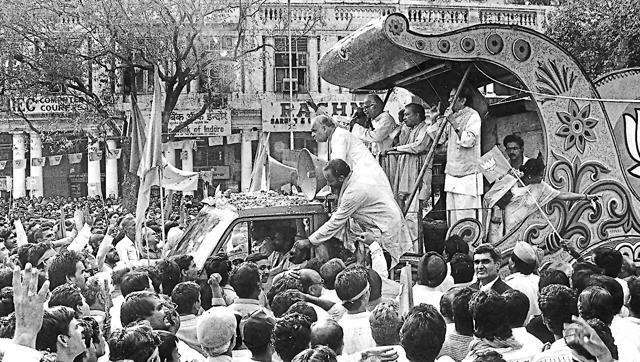
The struggle for supremacy between two of these ideas – Bharat and India – has arguably been the prime motor of Indian politics for at least the past 32 years, since September 1990, when BJP leader Lal Krishna Advani took off on a rath yatra for the cause of building a Ram temple at the site of the Babri Masjid in Ayodhya. The political rise to power of the Hindu Right in the subsequent years is, in one sense, a marker of the growing ascendancy of Bharat over India. The ongoing construction of the temple at Ayodhya, which is scheduled for inauguration in 2024, will mark its final triumph. Other, lesser projects such as the one of remaking the Central Vista in New Delhi are parts of the same campaign to “remove any trace of colonial mindset” from the country. Since Hindu nationalism views the entire thousand-year period of Muslim and British rule as colonial rule, the intent is obviously to erase all traces of the “mindsets” of Hindustan and India.
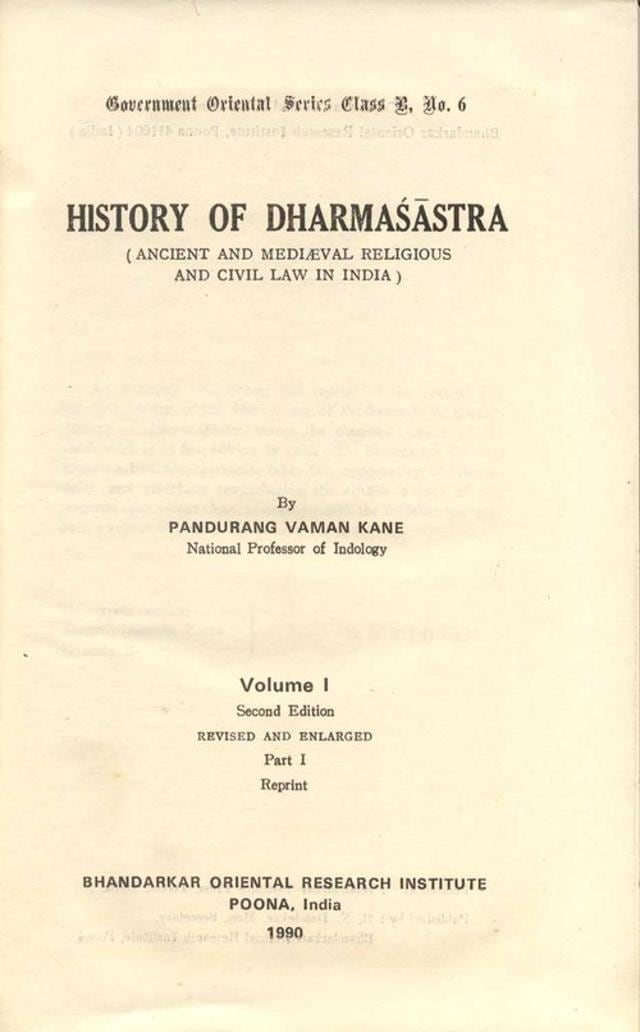
The trouble is that the ideas of modern nation-states and nationalism themselves are products of colonial rule. Ancient Bharat was a shifting territory linked by elements of a shared “high culture” whose social basis was the caste system. Catherine Clementin Ojha, a professor of Indian religious anthropology, described it in a paper as “a spatially delimited social order, but not to a politically organized entity”. Ojha quoted Pandit Pandurang V Kane, author of History of Dharmasastra, to buttress her point.
The existence of numerous warring kingdoms in ancient Bharat is well known. The most important aspect of modern nation-states, namely political unity, was therefore missing.
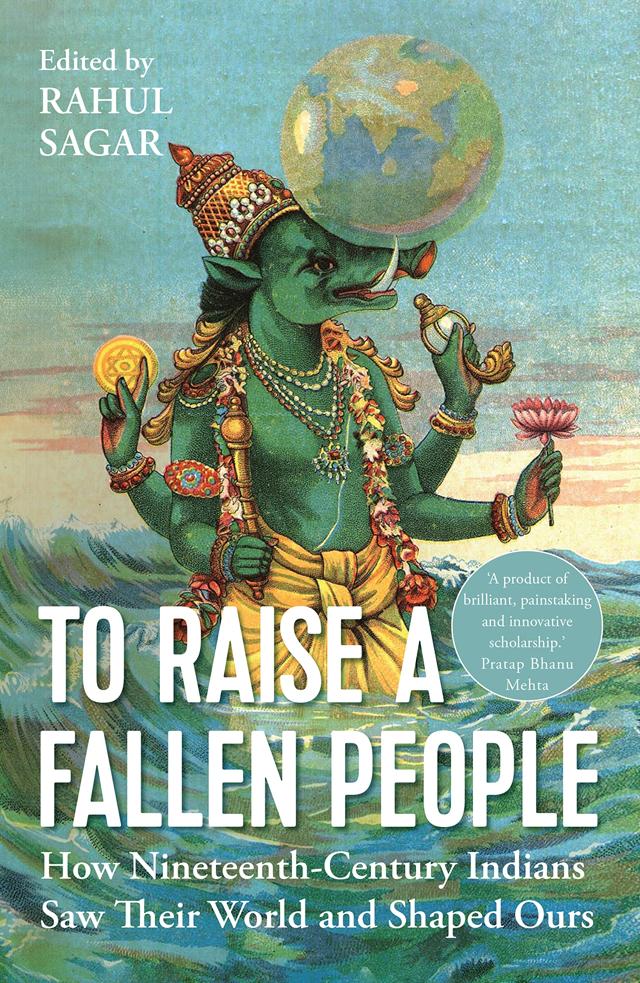
The idea of India as a nation-state first appears only during colonial rule – and rather late in the day at that. None other than the original Hindu nationalist, Bankim Chandra Chatterjee, lamented this fact in an 1879 essay titled The Shame of Bharat which has recently reappeared in a new book, To Raise a Fallen People. In the essay, Chatterjee writes, “Only twice, in recorded history, did Hindus rise as a nation”. The two instances he cites are of the Marathas under Chhatrapati Shivaji and the Sikhs under Maharaja Ranjit Singh – the latter being an inclusion that stretches the definition of Hindu in familiar ways. “The British are our beneficiaries”, he says. “Many of the things they are teaching us are priceless. I have referred in this essay to two priceless jewels we have acquired in this manner: a love for freedom and the establishment of a nation. The Hindus did not know what these meant”.
India as it exists now is a colonial creation. So are Pakistan and Bangladesh. They were constructed during a period of roughly 150 years of imperial conquest over hundreds of kings and chieftains who ruled over territories from Arunachal Pradesh and Burma in the east to Afghanistan in the west, inhabited by vastly diverse peoples who shared no common language, culture, religion or history. The separate agreements concluded with each of these kings and chiefs is contained in volume after volume of a book called A Collection of Treaties, Engagements and Sanads Relating to India and Neighbouring Countries compiled by an officer of the Indian Civil Service, Charles U. Aitchison. Together, these treaties chronicle the long process of political integration by which the British Indian Empire was built.
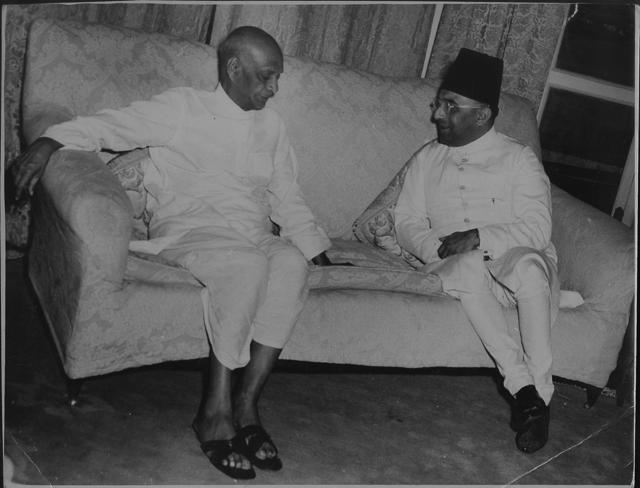
India, Pakistan and Bangladesh are the three fragments into which that empire broke between 1947 and 1971. The process of tighter internal integration, however, continued in each of the three successor states to the British Indian Empire after independence. In India, under the leadership of Sardar Vallabhbhai Patel, the 562-odd princely states were integrated into the country after Independence. A similar process also occurred in Pakistan, where princely states all over the country, from Kalat in Balochistan to Bahawalpur in Punjab to Chitral and Dir on the border with Afghanistan were integrated into the modern state.
The unification of the territory of British India was followed by a spread of ideas of governance and administration that we did not previously have. India’s maharajas and nawabs were renowned globally for their fabulous wealth – and the extreme poverty of their subjects. We had rulers topping the list of “richest in the world” while lakhs of their subjects died of starvation in famines. Our kings were despots. Despite two pioneering efforts by an enlightened Dewan in the states of Travancore and Baroda, there was not a single constitutional monarch to be found among them until the dying days of the British Raj when some of them scrambled to pivot to constitutional monarchy in a desperate effort to avoid merger with India.
The practice of ordinary people of all castes, classes and genders having constitutional rights was a foreign one that came in through British colonialism and a Western education; in our system, subjects just had kartavyas towards kings whom they were expected to flatter by sycophancy without limit and by service without question. To question or doubt are still considered insults in our subcontinental cultures. Teachers tend to be offended if students question them, parents are offended if children question them, bosses are offended if subordinates question them, and of course, rulers are offended if subjects question them.
Asking questions is of critical importance to both science and democracy but we did not have the Enlightenment that transformed Europe and eventually the world. Reason and science, which flourished in ancient Bharat, had departed our shores centuries before the Mughals and British arrived. Our way had become the way of faith, where questioning any belief is blasphemy. Superstitions and rituals ruled daily life.
Notions of egalitarianism are entirely foreign to us. Arguably the most essential aspect of the “spatially delimited social order” of ancient Bharat was observance of the caste system. Even as late as the 19th Century, the seas were called kala pani (black waters) and crossing them was anathema to conservative Hindus who believed it caused one to lose caste, because the caste taboos could not be properly observed outside Bharat. The idea that people of different castes, to say nothing of religions, can “inter-dine” was inconceivable.
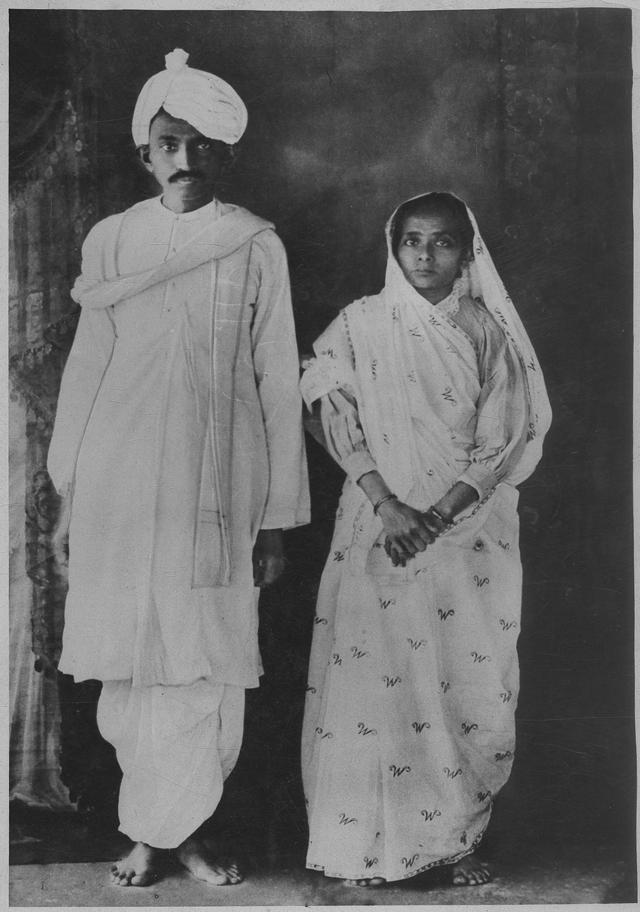
Nor was caste the only system of exploitation and inequity. Several of the societies in India, including some tribal societies of Northeast India, even into the colonial period, were slaving societies. We have forgotten that slavery was practised here until it was abolished by the Indian Slavery Act of 1843, a law passed by the East India Company Raj. We do remember, though, that among genders, a strict patriarchy was the norm. The revolutionary idea of women getting educated and even going to work outside the home came to us through the “wayward” West.
The ideas of equality and liberty that shaped modern India came here through colonialism and Western education. They came to be guaranteed as fundamental rights by our constitution. No wonder Dalit icon Babasaheb Ambedkar, an alumnus of the London School of Economics and Columbia University, is seen in all his statues wearing a suit and holding the Constitution of modern India.
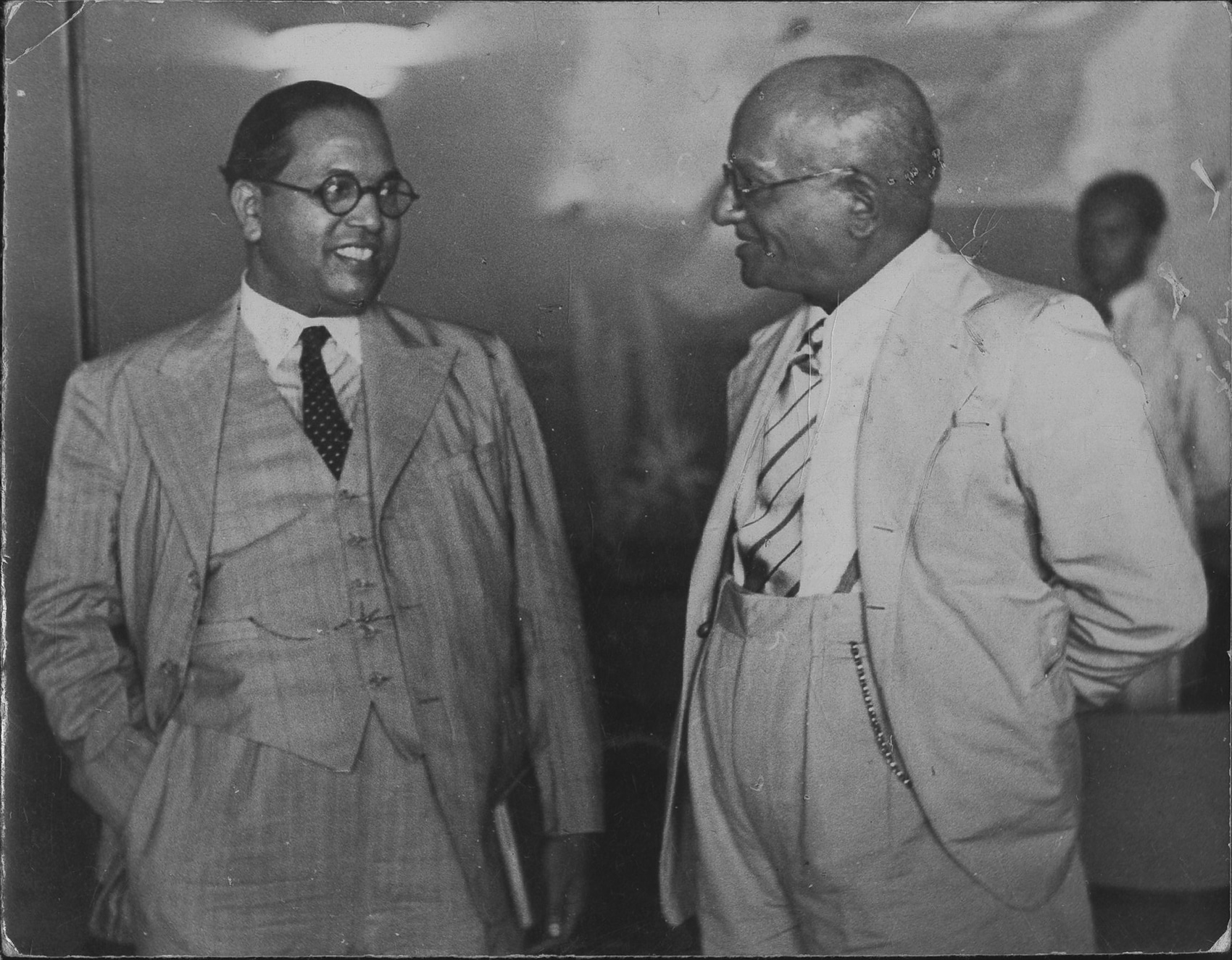
The historical evils of colonialism are well known, and unquestionable – but it was the costly experience of colonialism that forced open closed minds. Politically, those evils ended with the end of colonial rule on 15th August 1947. Since then, for the past 75 years, “India that is Bharat” has been ruled by its own rulers and its own Constitution. So, when we talk about decolonising our mind sets further now, what exactly are we aspiring to decolonize to? When Bharat triumphs over India, what will become of the modern ideas and values that came to us with British colonialism?
Samrat Choudhury is an author and a journalist
The views expressed are personal


