
 E-Paper



Review: Dead End by V Sudarshan
The result of a collaboration between the journalist-author and a CBI investigator, this true crime story holds up the dismal realities of how things work in the country

 Prefer HTon Google


One day in August 1987, a goatherder in Tamil Nadu found the dead body of a man lying in the bushes next to the rail tracks near a place called Danishpet. He informed the assistant station master of the Danishpet railway station, who called the railway police, who, in turn, suspecting a case of murder, referred it to the regular police. They refused to take up the case, saying it was in the jurisdiction of the railway police, and simply did not show up. The body lay where it had fallen. The assistant station master then wrote to higher authorities in the railway police in Salem, upon which they reluctantly dispatched a sub inspector to the spot. A local civil assistant surgeon did a post mortem by surveying the putrefying, bloating body from a distance, while a ward boy, whom he had plied with bottles of cheap alcohol, did the unpleasant work.
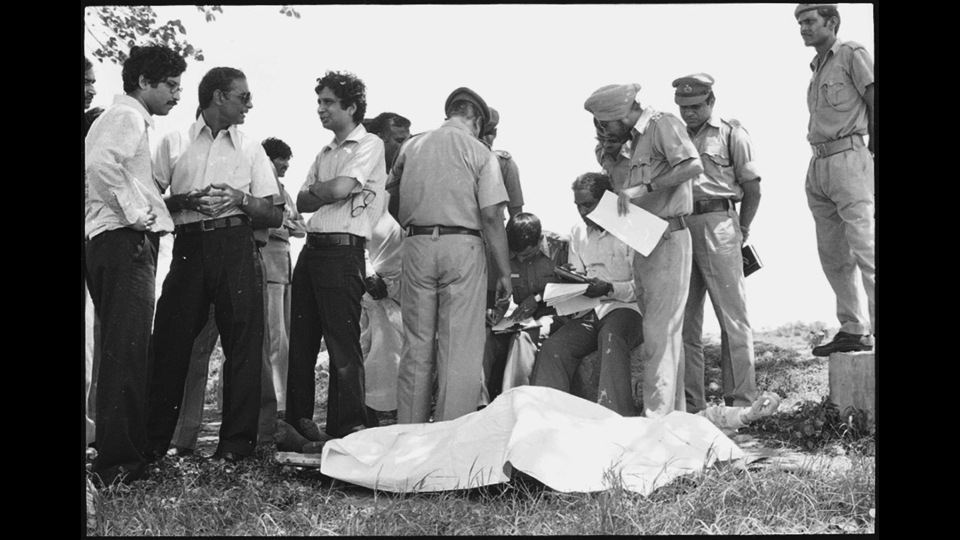
The disinterested sleuths found, in the dead man’s shirt pocket, a small diary in whose flap were tucked several pieces of paper, including recent receipts from a couple of lodges in Bangalore, and phone numbers from Quilon and Pathanamthitta in Kerala. The sub inspector called the numbers. The man was identified as MA Rasheed, an advocate from Kerala who had travelled to Bengaluru for a couple of small personal tasks – helping his younger brother find a seat in an engineering college, and getting a re-evaluation of exam marks done for the daughter of a relative’s friend.
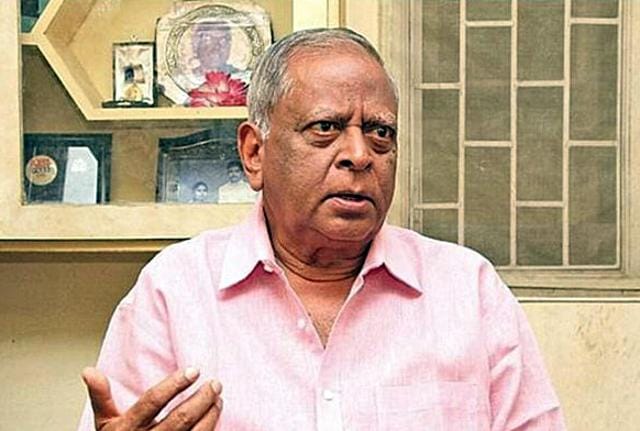
How this man got embroiled in a case of “typographical error” involving a Karnataka Home Minister, how he was murdered, and the cover-up that followed is a page turner of a story. It is an account based on real events, and has been built up from court judgments, witness depositions, material exhibits that included the inventory of items seized in the process of investigation, case documents prepared by the Central Bureau of Investigation, which eventually took up the case, and recorded interviews of the CBI officer Kuppuswamy Ragothaman who investigated the case after two post-mortems and multiple police inquiries had led nowhere.
At its inception, this murder mystery is a tale of business rivalry. In July 1985, an education trust run by an entrepreneur from Kerala named Sadasivan got permission from the Karnataka government to start a medical college in Kolar in Karnataka. The then Karnataka Chief Minister, Ramakrishna Hegde, signed the cabinet decision. Sadasivan sent him his thanks and received a congratulatory note in return. The CM even agreed to attend the bhoomi puja for the ceremonial commencement of the construction work. Then, suddenly, at the very last moment, with invitation cards ready to be printed, the permission given to Sadasivan’s trust was cancelled. He had been muscled out. Another trust, run by RL Jalappa, an influential minister in Hegde’s government, had somehow got a “corrected” permission which rectified the “typographical error” that had awarded the permission to run a medical college at that place to Sadasivan.
Rasheed’s unwitting entry into that case of “typographical error” sealed his fate.
The book follows a chronological narrative structure which reports the events as they had unfolded. They reveal, in shocking detail and a matter-of-fact tone, the manner in which paper realities are constructed, erased, and manipulated by the powerful. Even the revealing of crimes in the media makes no difference. Rasheed, shortly before his murder, and already facing threats to his life, had walked into the offices of The New Indian Express and its sister publication Kannada Prabha in Bengaluru and narrated the facts of the case to reporters there. The story was carried in both papers. It proved to be a minor irritant for those involved. Rasheed was bumped off after the stories appeared in the press.
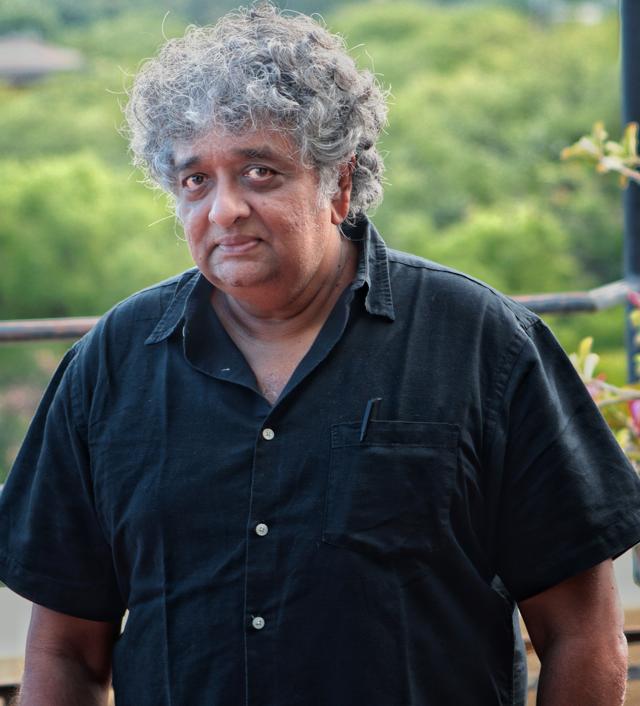
Author V Sudarshan, a senior journalist who worked for The New Indian Express among other publications, has crafted a racy and eminently readable story, one that without apparent effort also holds up before readers the dismal realities of how things work in our country. While crime and detective stories have always held the interest of a large mass of people in India – not least through the efforts of a now-deceased magazine of lurid covers titled Crime & Detective – the serious reporting of true crime at book length is relatively rare. Detective stories remain the realm of fiction. Real-life crime stories, even the most sensational of them, tend to make headlines (often based on misleading leaks to reporters by the very sources creating the paper realities that obscure the truth in the first place) and fall out of sight and minds after the initial furore subsides.
This book is one of a few, mostly authored by journalists, that have begun to change this trend in recent years. Like several of those others, it is the result of a collaboration between an insider to the system, and a writer who understands the system and knows how to craft a gripping narrative. It is based on a monograph written by the CBI investigator Ragothaman that had found its way, via a police officer and a judge, to Sudarshan. The result of their collaboration has been fruitful. The characters and details are as real as can be, and the writing is clear, lucid and suspenseful. There is no Sherlock Holmes or Feluda in the story. There is no need for one. The identity of the suspects is revealed early on, but that does absolutely nothing to kill the suspense – which is about how and if, despite the brazenness of it, the killers will literally get away with murder.
Samrat Choudhury is an author and journalist. His most recent book is The Braided River: A Journey Along the Brahmaputra


