
 E-Paper



Review: My Friends by Fredrik Backman
This story about art and friendship has all the hallmarks of the author’s work

 Prefer HTon Google


“Art is a joy so overwhelming that you almost can’t bear it [...] you can see a painting, and for a single moment of your life, just for a single breath, you can forget to be afraid.”
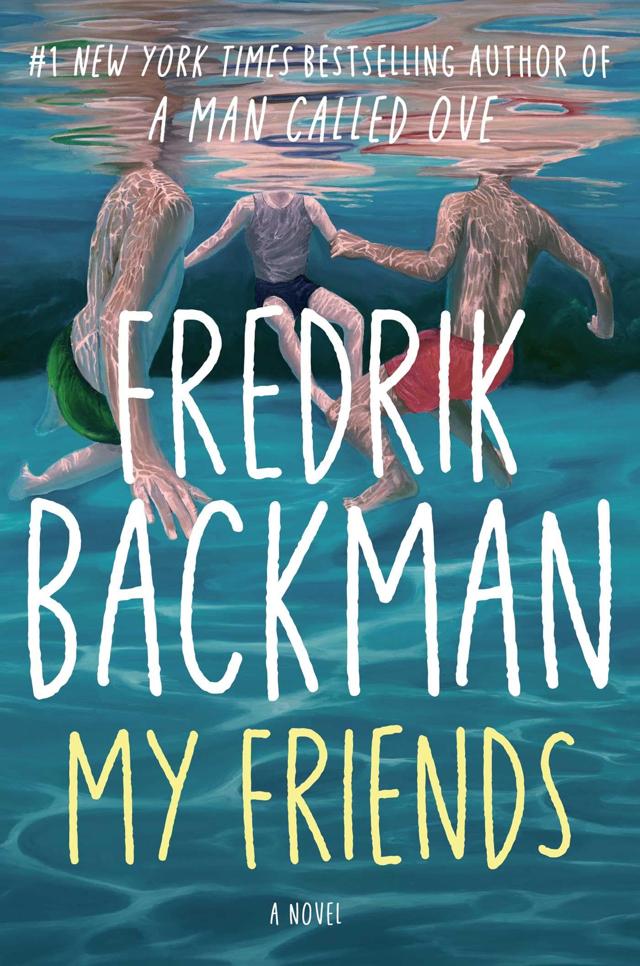
Fredrik Backman’s latest book, My Friends begins with Louisa, an aspiring artist, standing in an old church, facing the most famous painting in the world. She is nearly 18 years old, a foster child grieving her best and only friend. Among her meagre possessions, all of which fit into her backpack, is a postcard of a painting. It’s the first thing she ever stole, stuck on the refrigerator of one of her early foster homes. It’s “the first really beautiful thing she ever touched” and has since carried it with her, feeling through it an inexplicable bond with boys she has never met.
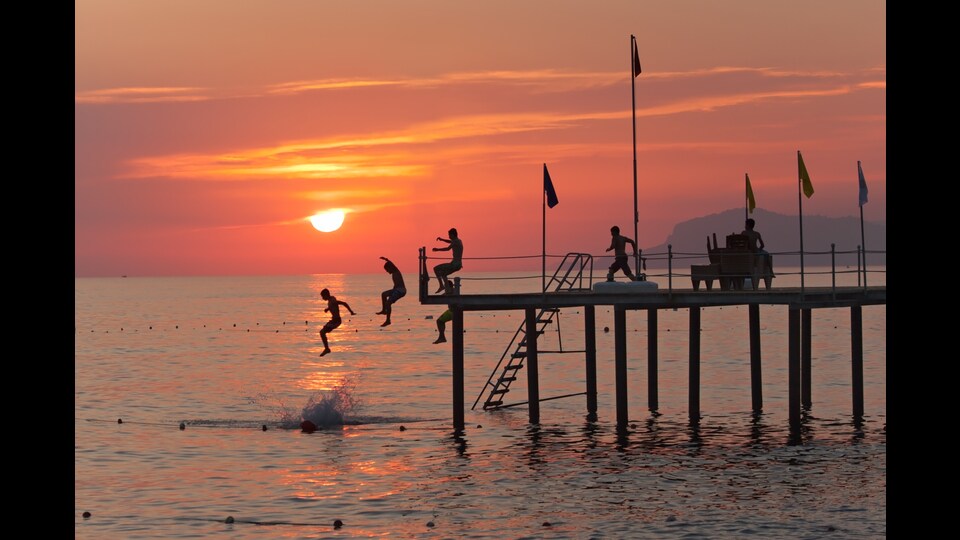
The painting is The One of the Sea by the now-world-famous artist, known only as C Jat. He painted it when he was 14, and it isn’t about the sea at all; not really. Louisa has always instinctively known that it’s about the boys who catch your eye only if you look closely at the corner of the expanse of sea. A trio of friends captured on a pier in a small down-on-its-luck harbour town in the last summer of their childhood. It’s a summer that “started and ended with death”, but was also filled with moments of acute beauty — at the end of it they were immortalised in a moment of vibrating laughter by an artist, the fourth friend, who’d learned how to “whisper in colour”.
This is the story of the painting by a child of divorce who was “born with so much beauty inside him that it was like an act of rebellion”. Where he came from, kids rarely left home and repeated generational patterns of trauma in one way or another. This is the story of how the painting came so close to never being, and how it was only thanks to one friend’s enduring belief in the artist that it even got made, changing the latter’s life forever.
“Art is a fragile enough light as it is. It can be blown out by a single sigh. Art needs friends, with our bodies against the wind and our hands cupped around the frame, until it’s strong enough to burn brightly with its own power.”
The narrative flits between that summer 25 years before, with non-linear jaunts into the past and the future, and Louisa’s contemporary storyline. She unexpectedly comes to own the painting (through a series of frankly implausible events that work only if you embrace Backman’s fable-like narration) and embarks on a cross-country journey to find out its truth and decide what to do with it. In the process, she will be transformed, just as the artist, who remains unnamed until almost the very end, was all those years ago.
Backman has spoken about how this book was much darker than his earlier ones and how it emerged from a difficult time in his life. At that point, he had considered retiring. A visit to a local bookstore with his daughter on a Saturday changed that. The place was packed with teenagers, at a time when the world claims that the young aren’t reading anymore. So, Backman went home and asked himself what he would want to write about if this were the last book he ever wrote. Out sprung the dedication — to anyone who is young and wants to create something, do it — and the rest of it flowed from there. He’d found hope and redemption both of which are as evident in the story as the extreme darkness and grief that hold it in counterbalance.
My Friends has all the hallmarks of a Fredrik Backman novel — the omniscient narrator, the heart, the wisdom, the laughter, the joy, the brutality (yes, it is more intense than even Beartown), the keen insights into human nature, and the observations, both sweeping and mundane.
But it also feels overdone and overblown; like it is trying hard to be profound as it bludgeons the reader with its message in a way its many charming predecessors didn’t. There are multiple (unnecessary) instances of foreshadowing, manipulative misdirections, and the withholding of information for no other reason than to prolong the tension. Some characters are rarely given a chance to grow beyond the tropes assigned to them. The constant reiteration of events, and of phrases — some of which are trite to begin with — soon lose all meaning. The meandering plot also could have been much tighter.
It’s a shame because this story has many valuable things to say: about the power of art to transform, transcend, connect across time and place, and heal; about the ways in which unconditional friendship does much of the same.
“That we create and paint and dance and fall in love, [...] that’s humanity’s only defence against death.”
Backman captures the feeling of being young and invincible, especially in those summer months of June and July, like only he can. He writes these broken, beaten-down characters and their too-early coming of age with such tenderness that you wish them no further harm, all the while knowing that there’s more pain to come. And yet, this is the first Backman novel that hasn’t elicited a single tear from this reader, one of his biggest fans.
The author doesn’t know whether this will be his last book or, as he told NPR, if he will be able to “perform the trick all over again”. For his sake, and immensely for mine, I hope there’s more.
“Being human is to grieve, constantly. How the hell do all the rest of you cope?”
Anushree Nande is an independent writer, editor, and publishing professional currently based in Mumbai.


