
 E-Paper



Review: Notes on a Marriage: A Novel by Selma Carvalho
Selma Carvalho unsettles both the heart and the mind as she decodes marriage, looks beyond the binary of heroes and villains, and underlines what sustains the oddest of relationships

 Prefer HTon Google


Selma Carvalho explores the ripple effects of marriage in her new novel set in London. She dissects the marriage of Alfred Hughes, who wore faded army fatigues and smoked Cuban cigars and affected the air of a revolutionary in the 1990s, and Anju Kale, the only child of a disheartened Indian Marxist father and a wealthy English mother.
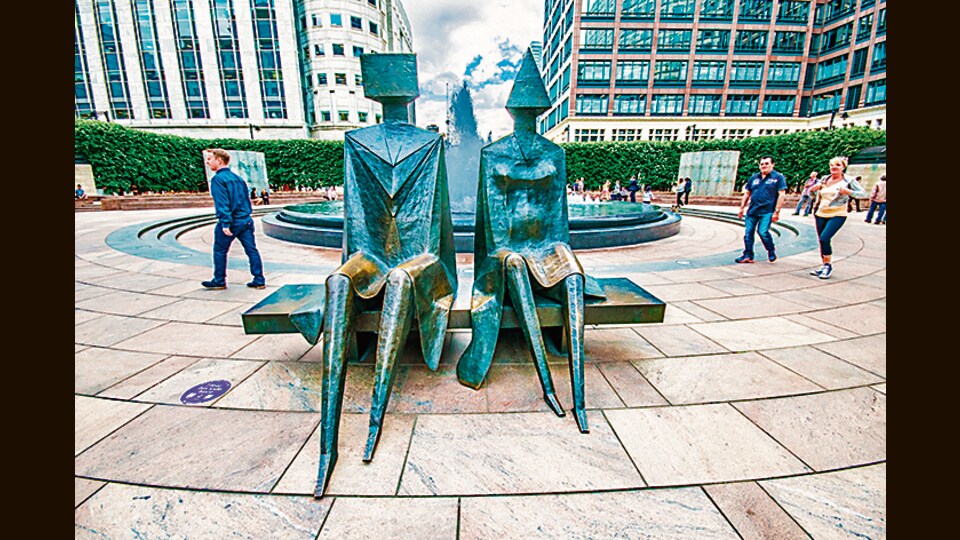
Hughes and Anju have been married for nearly two decades, but Anju does not carry happy memories of her time at the university when she had a crush on “Che Freddo”, as Hughes was called back then. She isn’t happy now either as she tries to deal with her husband’s “serial philandering”. Wallowing in guilt and low self-esteem, she is unable to sustain friendships outside of her marriage. Freddo’s acceptance of her shortcomings as minor flaws make her feel even more empty. “Worth can only be significant if it is valued by the owners themselves, not assigned value by others,” she thinks to herself.
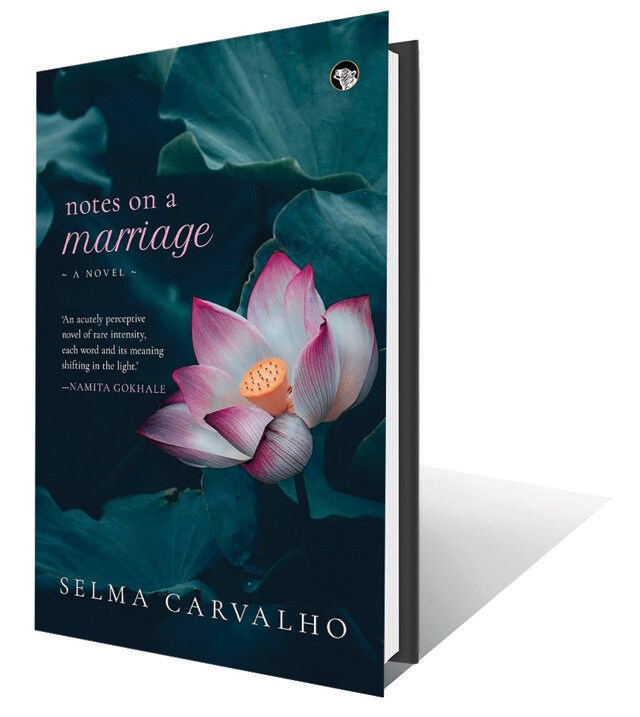
Carvalho’s 153-page novel brims with such insights. She writes with feeling and unsettles both the heart and the mind. Every word stabs as she decodes the making and unmaking of marriages, looks beyond the binary of heroes and villains, and underlines the comfort of familiarity that sustains the oddest of relationships.
In college, Anju was the privileged outsider in Che Freddo’s tightly-knit group of friends that included Nitin (Nido), the son of divorced Indian immigrants, and Eugenia (Ginny), a fiery Marxist and a diehard Sylvia Plath fan. Though Anju was the daughter of a chronically unhappy Indian Marxist, she hadn’t known hunger and want the way her friends had, or spoken of equality and justice as they did. She was caught in a world where she wasn’t brown enough or white enough or poor enough.
Anju’s deprivations were of another kind. She didn’t feel loved by her father and had even mapped his house by the emotions the rooms carried within them. Her father stole her voice and made her invisible: “She was too ill-informed, he said, to hold an opinion about anything, too disinherited from both India and Britain to matter to either country.” Married to a wealthy English woman, he squirmed amid fellow Indians, and rejected India’s heartland project – the imposition of its language, its religion, its love for capitalism, its need for a vast churning to produce a single collective consciousness. When Freddo shows interest in Anju, she basks in the attention. Unlike her father, he seems to understand her fractured self and teaches her about “belonging to a place, a person, a cause”. However, her insecurities lead to an unexpected “god-awful mess”, and the group of revolutionary friends is disbanded. Che Freddo becomes Professor Hughes; Nido becomes an investment banker, and Ginny goes off the radar.
Anju and Freddo start a new life “bound by a wordless guilt”. Their childless marriage survives with Freddo actively indulging in adultery and Anju carrying on mindlessly as if walking out of the marriage was not an option. She despises his philandering and thwarts his moves when she can.
Carvalho reserves her best lines for Anju, who sometimes decides to test Freddo “to uncover the extent of his indifference”. At other times, she asks her mother if children were “props” or if there are “further depths to sink to” when a marriage hits rock bottom. Anju’s relationship with her English mother is redeeming. She counsels Anju on marriage, her father, and her recurrent dreams about Eugenia.
When Anju does get a chance to slip away from her marriage she chooses not to. “We are not playing happy families,” she tells her friend, Andrew, who shares her love for literature and could have been her soulmate. Even though she is encouraged by her mother to move on, she says, “(Freddo shelters me) From the world, he keeps me safe. That’s what marriages do, they offer you shelter, however, claustrophobic.”
Carvalho’s characterisation is brilliant. It’s no coincidence that Eugenia is a die-hard Sylvia Plath fan, but it is Anju who gets to marry Mr Hughes. And miserably so. When Andrew asks her if she would marry someone like Ted Hughes himself, she tells him, “The intricate web that is marriage is invisible to those on the outside.”
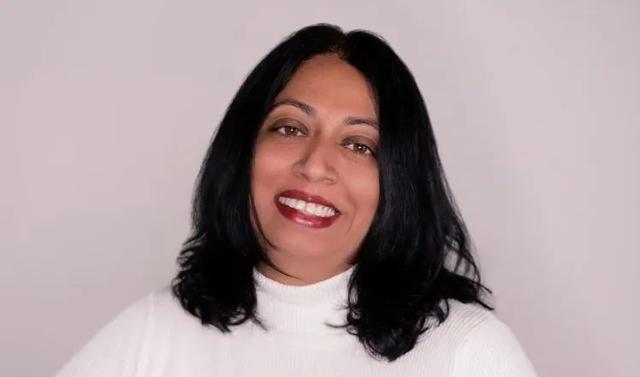
Carvalho, whose earlier book, Sisterhood of Swans, was listed by the Asian Review of Books as one of the six notable novels of 2021, gives readers much to think about. She also leaves them wondering if Anju decided to forgive Freddo’s infidelities after her own little adventure with Andrew, or if this is the new face of marriage – to embrace a partner’s follies, extramarital affairs and all. Read this novel for Carvalho’s unique take on the contemporary marriage and for her wonderful prose.
Lamat R Hasan is an independent journalist. She lives in New Delhi.


