
 E-Paper



Review: Vazhga Vazhga and Other Stories by Imayam
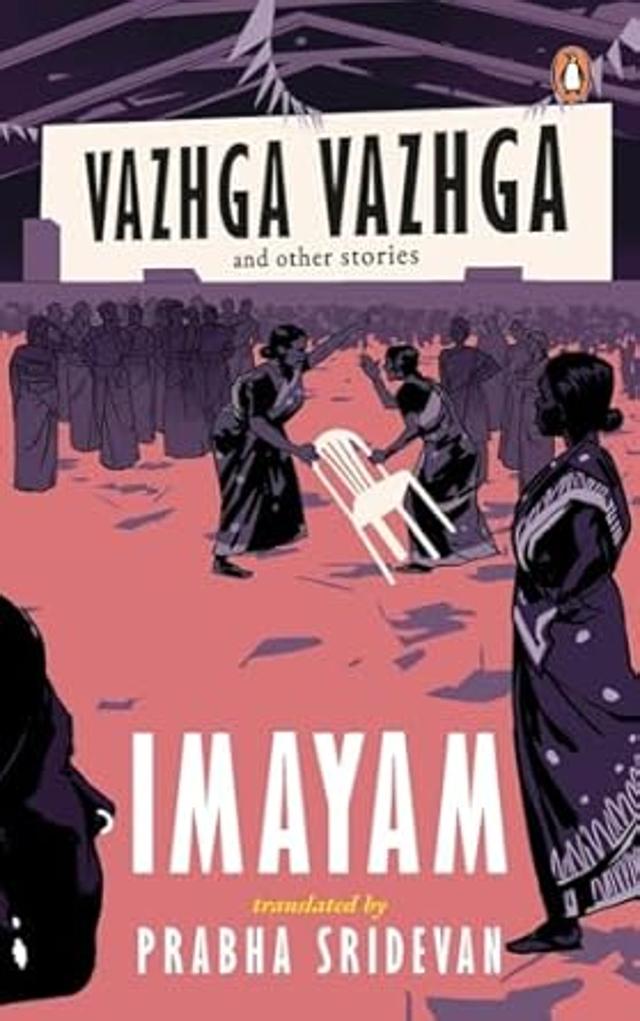
These stories, translated from the original Tamil by Prabha Sridevan, present the author’s unsparing view of society, his empathy, and his ability to find humour in the most gruesome scenarios

 Prefer HTon Google


In this excellent collection, the longest story is the eponymous Vazhga Vazhga, which is a deep dive into the world of the poorest of the poor, who are pawns in the hands of a low rung party worker. With telepathic empathy and an unmissable humour, Imayam presents the lives of village women and how they are exploited by political bigwigs at the onset of every election. What is fascinating about this story is that the author bares the psyche of the distraught women, who are trying to leverage a good deal with the local party worker, unaware that no matter how much they smarten up with every passing election they are no match for his thuggery.
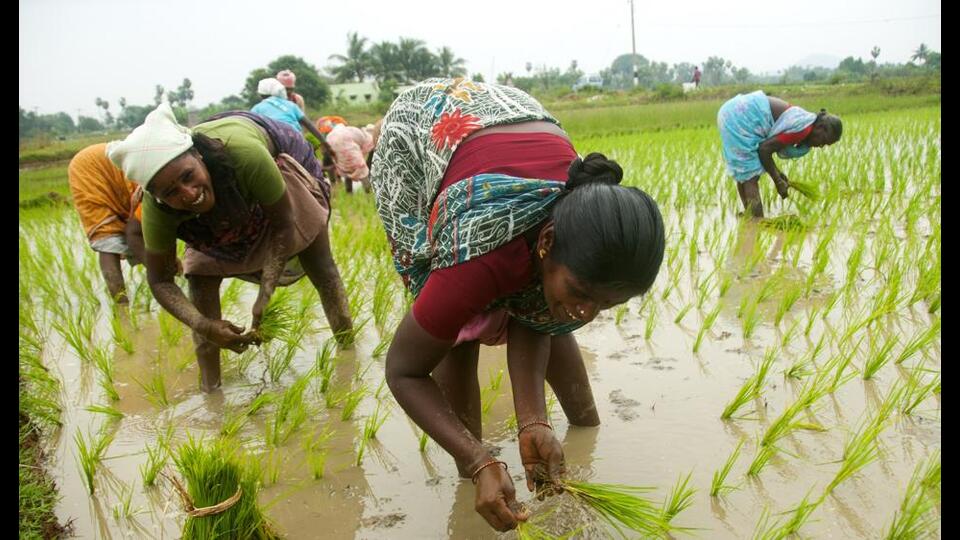
Venkatesa Perumal, who worried about his next meal like the other villagers till a few years ago, is now a celebrity of sorts. His task is to take van loads of villagers to the nearby district to attend a pre-election rally which will be graced by an unnamed legendary woman politician of Tamil Nadu.
The village women hate Perumal, give him an earful, but are in no position to decline his lucrative offer. The ₹500 per trip and the “party sari” with its flag colours as a bonus will help them buy basic essentials. Some of the women have wisened up to Perumal’s cunning ways over the years, and complain about a whole day going to waste. He is quick to offer an additional ₹100 to ₹200 with the rehearsed retort, “What are you saying, Periyamma? Nowadays even those who go to a relative’s wedding come back in no time…”
He vociferously defends his party and leader calling her a one-woman army, “Our leader, our thalaivi, is unmatched in beauty, intelligence, taking quick decisions and tossing the party-men around…” Andaal’s grandson is sick and there is no money in the house for his treatment. When Perumal asks her to come to the rally on a hot summer morning she agrees reluctantly. Within the hour, the vans leave the village to be in time for the 10 am meeting. When the overloaded vans arrive at the meeting venue – the women admire the decorated dias, the large hoardings and cut-outs – unaware that around 400 to 500 acres of land had been flattened and cleared of trees to make separate enclosures for men and women.
The leader’s recorded speech is blaring over loudspeakers on repeat: “Oh, my dearest voters, who are more precious than my life...” Andaal does not know the leader but hearing her sweet voice which rings like the “bronze bell in a temple” and seeing her face on the huge LED screen, she decides to vote for her.
As the afternoon sun plays havoc, the women get restless and fight over caste and seats. When the leader doesn’t show up till lunch, the women demand water and food. Most women cannot take the heat and are dizzy, and want to go back, but Perumal tells them the leader is on the way. When the leader does arrive at about 3.15 pm in a helicopter, the crowd chants “Long live the golden leader, long live the righteous leader, long live the world leader… Long live Vazhga Vazhga…”
The leader begins her speech, “Oh my dearest voters, who are more precious than my life…”, and pushes her paid voters to new forms and depths of social inequality.
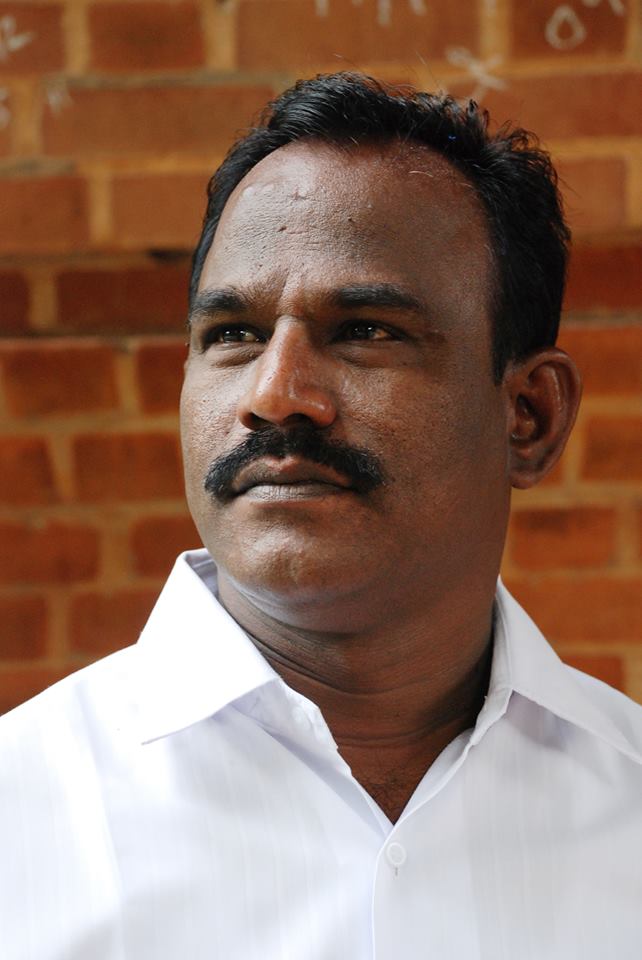
Imayam is the pen name of V Annamalai and he is counted amongst the most important contemporary Tamil writers. He has published seven novels and six short story collections, and has been honoured with several awards, including the Tamil Nadu State Award.
The second story in this collection, Tiruneeru Sami, is a tongue-in-cheek account of how religious fervour can consume the most scientific minds. A husband insists on taking his two children to his family deity’s temple in Tamil Nadu for their tonsure ceremony. Without informing his wife, he books the tickets and when the wife tries to reason with him, he slaps her. The wife calls her mother and brother over to help drive sense into her hitherto reasonable husband, who by now is hell bent on taking the children even if that means divorcing her.
As the story unfolds, the husband starts speaking about his family deity to his wife’s brother who finds the deity’s famous sayings – such as “your heaven and hell are inside you alone”, “the life of a true siddha was one where the ego was killed”, and “god (is not) there to create rifts and divisions between people” – quite fascinating. What follows is a travesty of reason.
Without quite understanding the real message of the revered deity, the wife’s brother, whose original purpose was to take on his brother-in-law for slapping and threatening to divorce his sister, tries to convince his sister and mother to take the children to Tamil Nadu for their tonsure ceremony. In a powerful and profound way the role of religion in dividing people is uncovered by juxtaposing the two worlds within which a seemingly rational scientist couple are caught.
The third and the last story is Samban, Son of Krishna: An Untold Tale. This is Imayam’s unique spin on Samban, who was cursed by Narada. He leaves for Dwarka and charts his own path seeking peace. When he is cured of his curse after an arduous journey spanning decades, Narada blesses him, bestows on him the title of Sambadithyan (King of Planets) and tells him he is free to return to his palace and his luxurious ways. However, Samban declines his offer as he has realised that real peace lies elsewhere.
The stories have been translated into English by Prabha Sridevan, a former judge of the Madras High Court. She had earlier translated several works from Tamil into English, including Echoes of the Veena and Other Stories (Short Stories of R Chudamani) for which she won an award. Sridevan has succeeded in keeping the soul of these stories intact, which could not have been easy given Imayam’s unsparing view of society and his knack of finding humour in the most gruesome scenarios. A recommended read.
Lamat R Hasan is an independent journalist. She lives in New Delhi.


