
 E-Paper



Sophie Kinsella and the hammer blow of fate
The author was one of the defining voices of what was celebrated as chick lit about women in their twenties and thirties navigating work, romance, friendships

 Prefer HTon Google


Sophie Kinsella, the best selling author of more than 30 romantic comedy novels selling more than 45 million copies worldwide died on Wednesday. She had been diagnosed with glioblastoma, a rare and aggressive type of brain cancer in 2022.
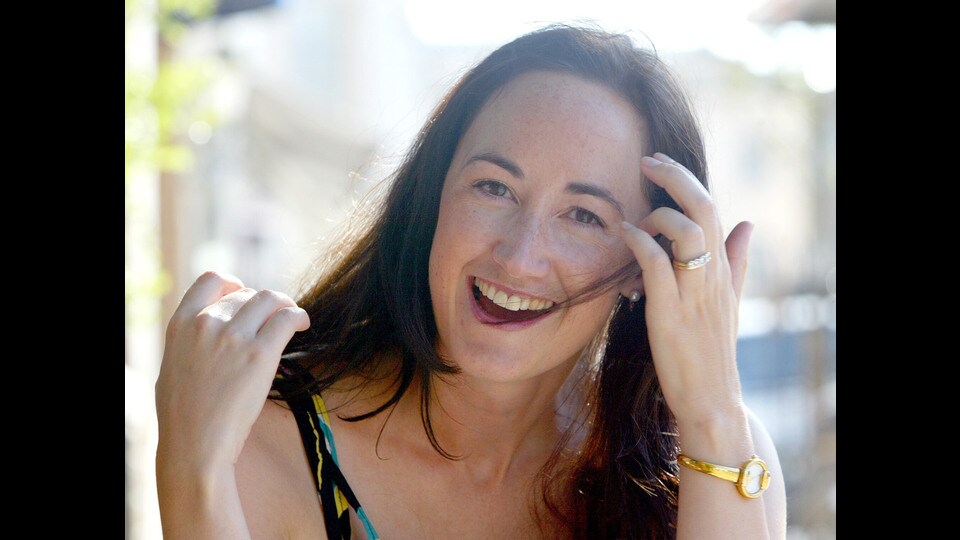
In an interview with the New York Times last year she had said: “The irony is that I’ve had this incredibly fortunate life. I’ve had an ability to write and I’ve been able to have children and I met the love of my life at college and it’s all fallen into place so brilliantly until, boom, the hammer blow of fate. I could see that would be the narrative.”
Kinsella was one of the defining voices of what was celebrated as chick lit — witty modern novels, with bright candy-coloured covers, about women in their twenties and thirties navigating work, romance and friendships — in the 1990s and 2000s, along with writers such as Candace Bushnell (Sex and The City) and Helen Fielding (Bridget Jones).
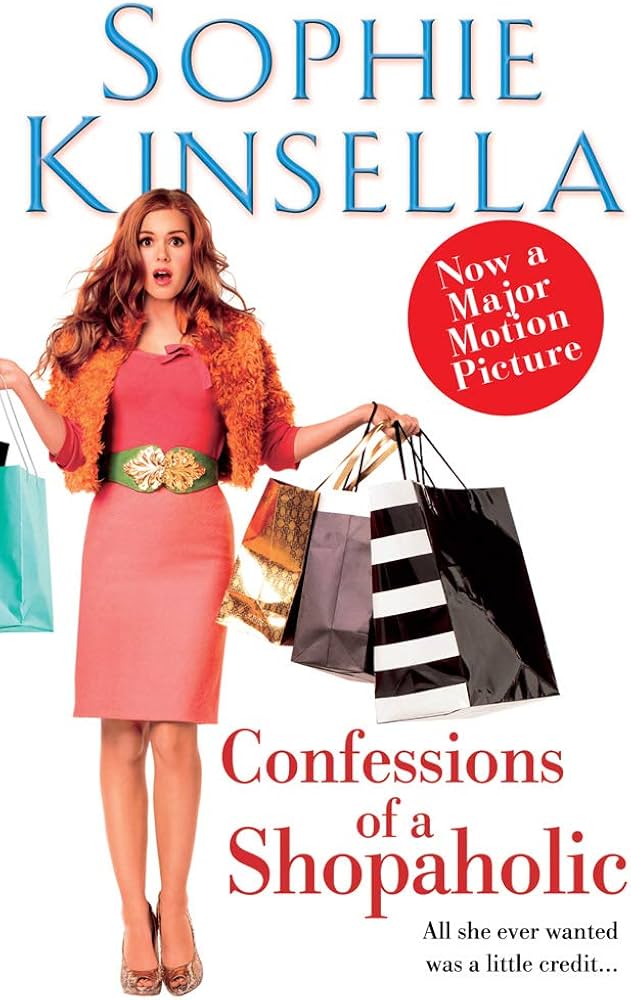
Her 2000 novel Confessions of a Shopaholic, about a young woman addicted to shopping, was adapted into the hit 2009 film of the same name starring Isla Fisher.
Like Bushnell and Fielding, Kinsella had also started her career as a journalist. And like their protagonists Carrie and Bridget, her Becky was a journalist too — a financial journalist, that was the delicious ironic punchline at the heart of the Shopaholic books.
After studying philosophy, politics and economics at Oxford, Kinsella – her real name was Madeleine Wickham – worked as a financial journalist. It was, she said in interviews, the only job she was able to get and one she found dull and unsuitable. “People used to ask me for advice, and I’d say, ‘Please, don’t ask me!’ Yes, I did economics at Oxford, but that’s not the same as having a broad knowledge of personal finance,” she had said in an interview.
In her twenties, she wrote about six novels about middle-aged men and women in London under her real name. The books were well received, sold modestly and were far more serious and rooted in reality than what was to follow.
As she hit 30, she thought, “OK, now without being defensive, I will write a silly book about things I know, and just make it funny and ridiculous. And if it fails, that’s OK.”
The idea came in 1999 when looking at her credit card bill she thought she must have been defrauded because she could not recognize her purchases.
She wrote the book in a few months. It was supposed to be a one-time thing. She wrote it under a pseudonym (Sophie is her middle name, Kinsella her mother’s maiden name) so that even “if it’s a complete flop then it will have nothing whatsoever to do with me,” she said in 2014.
The book was a phenomenal success — with eight sequels as Becky gets married, has a baby, juggles family life and her glamorous life. The final instalment, a Christmas special, was published in 2019.
Under the pseudonym, Kinsella wrote more than a dozen standalone novels.
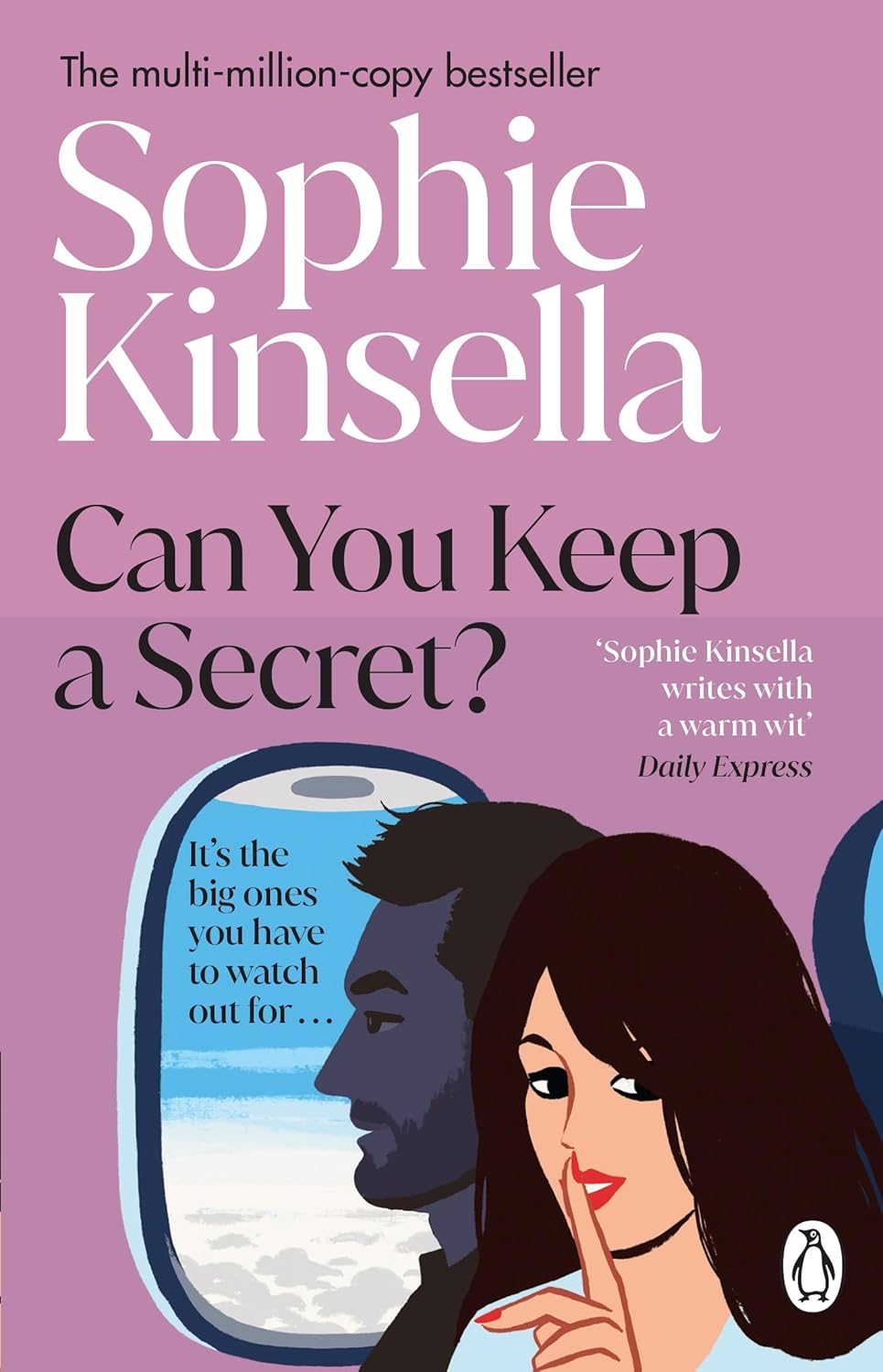
Her best one (in my opinion) Can You Keep a Secret? (2003) apparently (according to a throwaway line in The Guardian in 2012) sold enough to put her on Britain’s wealthiest 100 women list. That novel opened with its protagonist Emma listing out her secrets — that her designer bag is fake, that she doesn’t know what NATO stands for, that she had a lesbian dream about her flatmate... and tucked in somewhere was something about having this deep conviction that she’s not like everybody else and that there’s an exciting new life awaiting her. Soon after, she proceeds to vomit out all of these secrets drunkenly to a stranger on a flight, who turns out later to be her new boss and later still, her love interest.
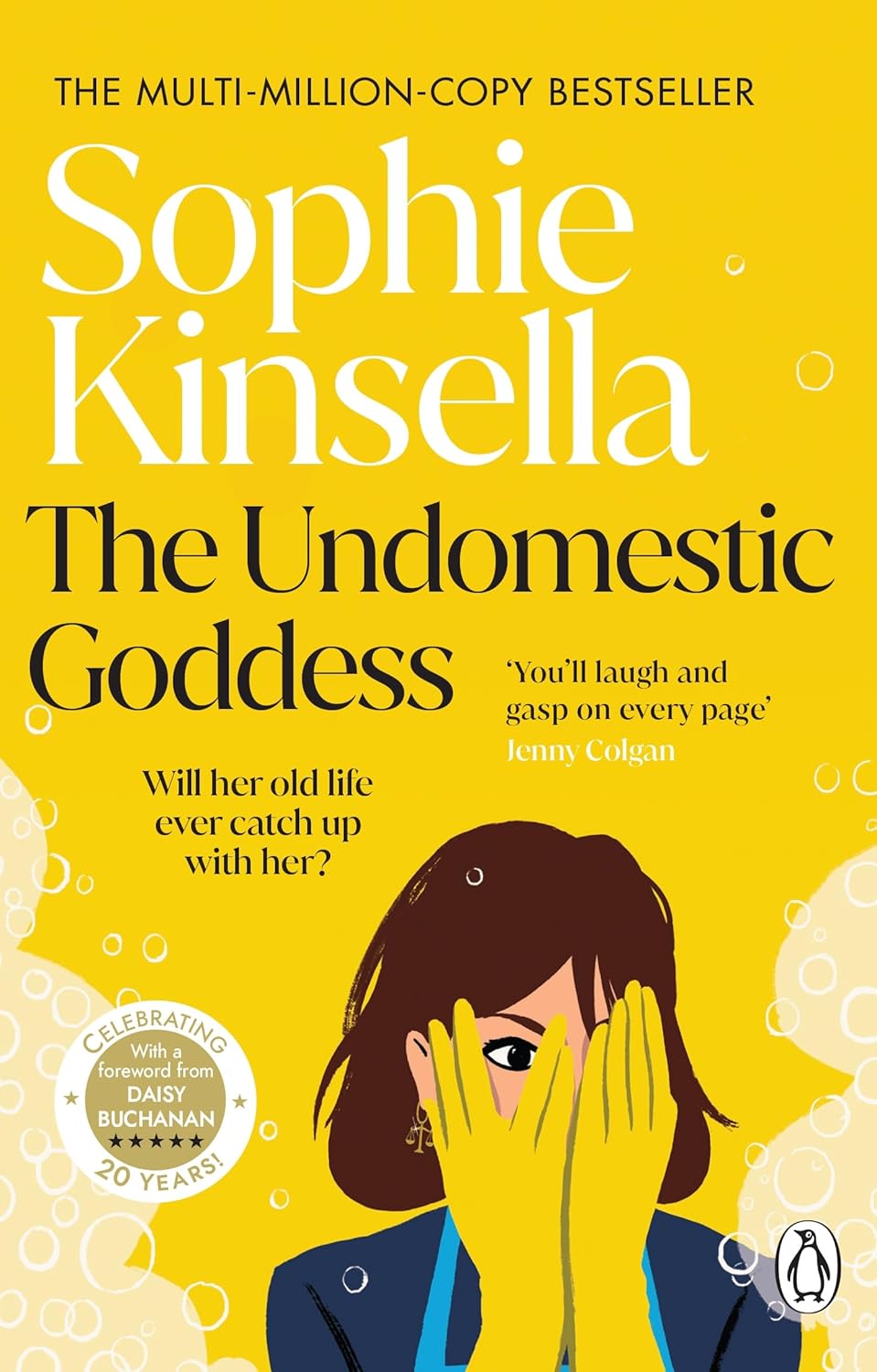
It’s a hilarious novel built around the sweet funny spot between insecurities and optimism, like many of her works. In The Undomestic Goddess (2005), Samantha, a workaholic lawyer on track to becoming partner thinks she’s made a catastrophic mistake at work and in panic (a mental breakdown) flees London, landing herself somehow the job of a housekeeper at a mansion in the English countryside despite not knowing how to make toast or work the washing machine. She figures it all out with the help of the estate’s hot gardener. It’s a novel I thought about a few times during the pandemic watching videos of people making banana bread — the quiet response to burnout.
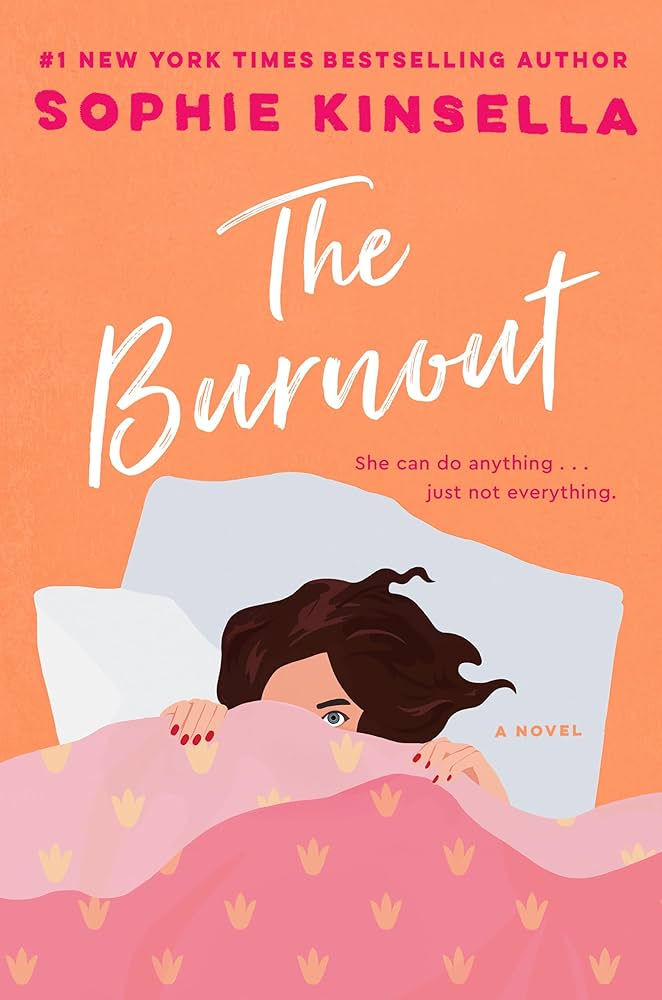
Her last novel, The Burnout (2023) engages with somewhat similar themes. Sasha is completely worn out by her corporate life and lands up at a seaside resort to recuperate pretending to be some kind of wellness queen — only to find that the hotel is a bit of a dump and her only company is a man just as grumpy and burnt out as her.
Over the decades, as Kinsella and her original readers aged, her protagonists tended to remain in their twenties and thirties. She said to the Manchester Evening News in 2019, “It’s how you feel inside that matters, and I still feel about 27.”
Saudamini Jain is an independent journalist. She lives in New Delhi.


