
 E-Paper



‘Can be done, but…’: Ex-WHO chief weighs in on 90-hour workweek debate
The former head of ICMR said we did “work hard” during COVID-19 pandemic but there was “some burnout”.

 Prefer HTon Google


Former WHO Chief Scientist Soumya Swaminathan said working long workweeks, as those suggested by Infosys Founder Narayana Murthy and L&T Chairman SN Subrahmanyan, can be done but it's not possible over long periods.
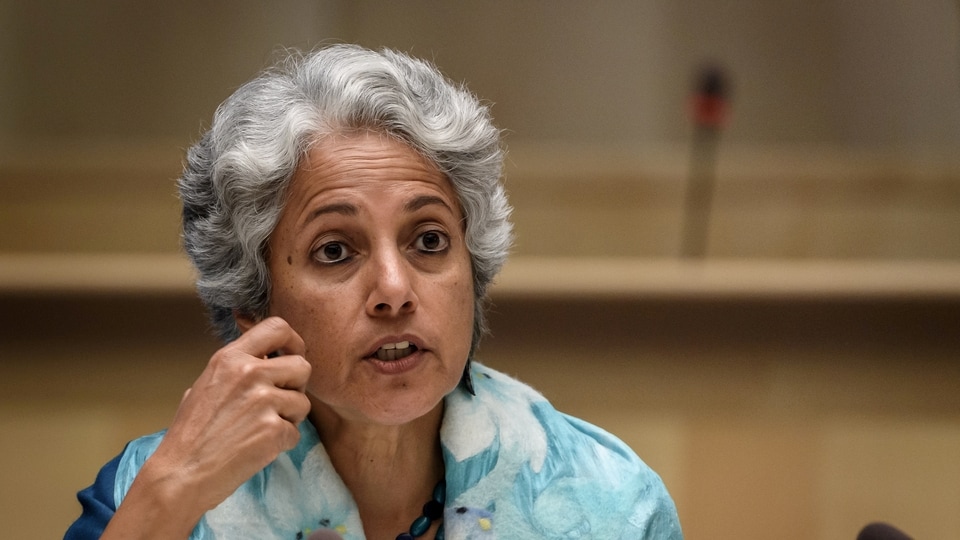
Speaking to PTI, the former head of Indian Council of Medical Research (ICMR) said, “I know a lot of people who work very hard. So I think it is an individual thing and your body tells you when you are tired, so then you also have to listen to your body.”
Thinking about the multiple effects of the COVID-19 pandemic, including on work culture and human health, she said, “You can really work hard, let's say for a few months. During COVID, we all did that, right? But could we have continued that for years together? I am not sure.”
Also read: Tesla's 8,600 sales in 3 days attract EV subsidies worth ₹375 crore in Canada, trigger probe
Swaminathan said that for the two-three years during the pandemic, we did work long hours by losing sleep. “We were stressed most of the time, worrying about things, especially the healthcare providers. They were working round-the-clock. There was some burnout. Many people left the profession also after that,” she said.
The renowned global health expert emphasised that mental well-being and rest are crucial for sustained performance.
“The human body has some needs for sleep, and mentally also, I feel that you need a break if you are going to be productive and if your thinking process has to be equal,” she said.
She went on to add that a person can keep working at a table for 12 hours. However, their good quality work stops possibly after eight hours of work. “So I think all those things also have to be looked at,” she added.
She concluded that having long workweeks can be done for 'short sprints" but is not “really sustainable”.
Also read: Zero interest loans, lifetime free charging: Tesla grappling to get new customers
Indian leaders of long workweeks
Earlier this year, Larsen & Toubro (L&T) Chairman S N Subrahmanyan sparked a debate by saying employees should work 90 hours a week, including Sundays, instead of staying at home.
His comments echoed Infosys Co-founder Narayana Murthy's call for a 70-hour workweek.
This month, former Niti Aayog CEO Amitabh Kant said Indians need to work hard to achieve the goal of making India a USD 30 trillion economy by 2047.
"I strongly believe in hard work. Indians must work hard, whether it is 80 hours or 90 hours a week.
Also read: UN agencies firing staff, cutting aid ahead of US funding freeze | Full details
If your ambition is to move from a $4 trillion to a $30 trillion economy, you cannot do it through entertainment or by following the views of some film stars," Kant said at Business Standard's Manthan summit.
Last month, Union Minister of State for Labour and Employment Shobha Karandlaje told Parliament that the government is not considering any proposal to increase the maximum working hours to 70 or 90 hours a week.


