
 E-Paper





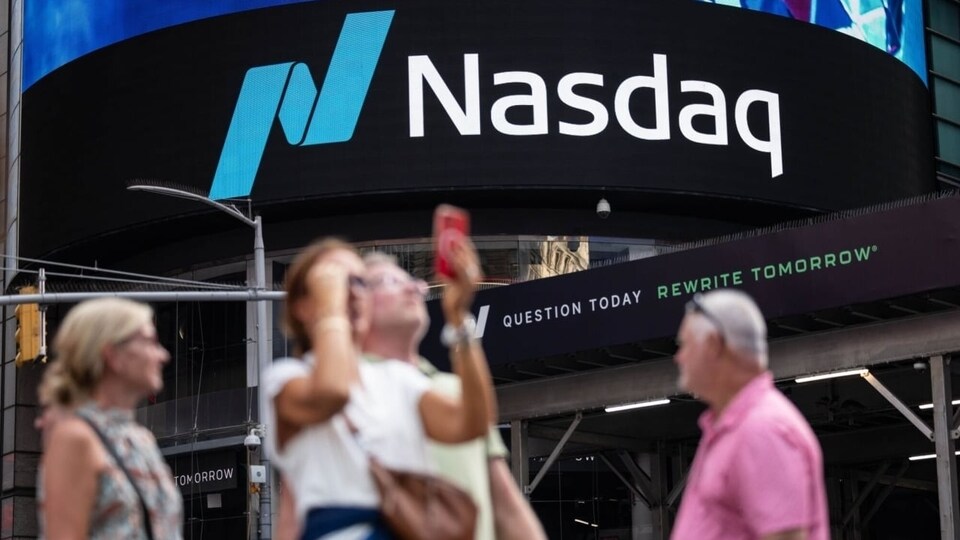
Nasdaq is seeking to tighten its rules for small Chinese stocks, following criticism from Wall Street veterans and investor-protection advocates that such listings have become a hotbed for fraud and manipulation.
Pump-and-Dump Worries Prompt Nasdaq to Tighten China Listing Rules
Some Wall Street veterans and investor-protection advocates have said such listings have become a hotbed for fraud and manipulation.
Published on: Sep 4, 2025, 18:19:57 IST

WSJ

 Prefer HTon Google
Share via
Copy link
The details
The New York-based exchange operator on Wednesday proposed a new rule requiring that companies principally operating in China, including Hong Kong and Macau, raise at least $25 million in an initial public offering to go public on Nasdaq.
Nasdaq also floated several related changes. These include raising the minimum float for future listings to $15 million and faster delistings for companies that no longer meet listing standards. The changes require approval from the Securities and Exchange Commission.
The context
Since 2020, dozens of China-based companies have conducted Nasdaq IPOs that each raised $15 million or less. Many of these stocks have surged, only to later collapse.
Nasdaq said a review uncovered “emerging patterns associated with potential pump-and-dump schemes.” In such a scheme, promoters with ties to large shareholders tout a stock to new investors, driving up its price, before the insiders abruptly sell out, saddling those investors with losses.
The exchange operator said that since August 2022, nearly 70% of cases it has referred to the SEC or to Wall Street’s self-regulator, the Financial Industry Regulatory Authority, have related to trading in Chinese companies. Such companies represent less than 10% of Nasdaq listings.
The big picture
The Trump administration has signaled that it may seek to decouple Chinese companies from U.S. capital markets. Amid rocky relations between Washington and Beijing, dozens of Chinese companies have delisted their shares from U.S. exchanges since 2019, ending an era when a splashy IPO in New York was the crowning achievement for a company from China.
Nasdaq has faced pressure to tighten rules for the listing of small, speculative Chinese companies, some of which have experienced retail investor-driven trading frenzies.
While Nasdaq’s exchange is home to some of the world’s biggest companies, such as Apple and Amazon, it also draws numerous IPOs from tiny companies. Brokers and trading firms say Nasdaq’s minimum listing standards are too lax, enabling the listing of dubious companies, particularly from foreign jurisdictions.
“Main Street investors are being exposed to significant risk from issuers that have the imprimatur of being listed on an exchange when they are no different from penny stocks,” market maker Virtu Financial told the SEC last year.
Write to Alexander Osipovich at alexo@wsj.com

Track live Stock Market Today updates and check your NSE IPO Allotment Status Today. Stay informed with the latest business news like N Chandrasekaran, petrol and diesel prices, gold and silver rates, income tax updates, and major economic developments across India and globally.


