E-Paper



Volkswagen, BMW and Mercedes cars could get cheaper as India plans EU tariff cuts
India plans to cut EU car import duties to 40%, later 10%, under a trade pact, potentially lowering prices of Volkswagen, BMW and Mercedes models.

 Prefer HTon Google


India is preparing to significantly lower import duties on cars from the European Union as part of a long-awaited free trade agreement that could be announced as early as Tuesday, according to a Reuters report.
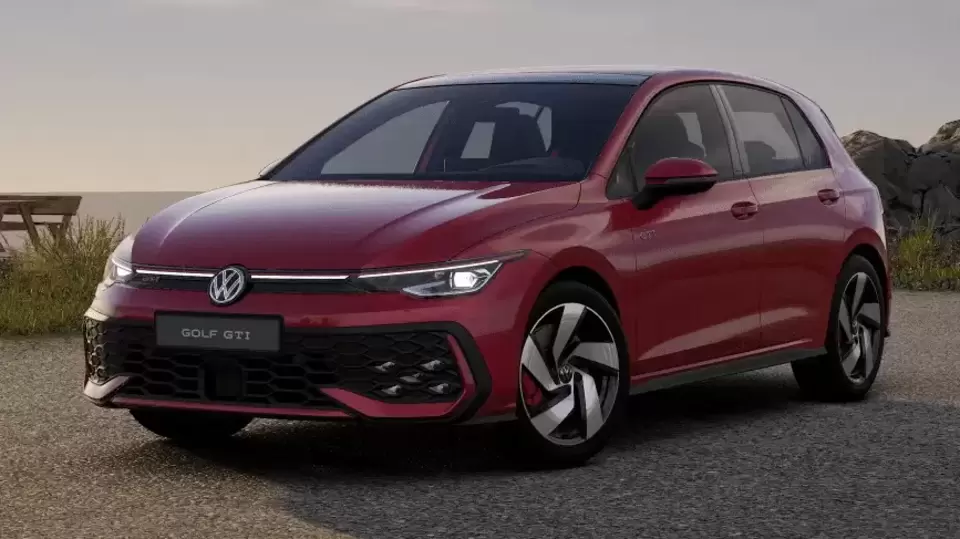
Under the proposal, import tariffs on a limited number of EU-made passenger vehicles priced above 15,000 euros would be cut to 40% from the current peak levels of up to 110%. Over time, the duty would be reduced further to around 10%, easing access for European manufacturers including Volkswagen, Mercedes-Benz and BMW. The discussions remain confidential and subject to last-minute changes.
The India-EU trade pact, which negotiators have been working on for years, is expected to be formally concluded this week, with ratification and finalisation to follow. The reports states that officials on both sides see it as a landmark agreement that could expand bilateral trade flows and support Indian exports such as textiles and jewellery, which have faced steep US tariffs since late August.
Why this matters for India’s auto market
India currently imposes import duties of 70% to 110% on fully built cars, making it one of the world’s most protected major auto markets. While the country is now the third-largest car market globally by volume, after the US and China, foreign automakers have long argued that high tariffs restrict model availability and slow investment decisions.
According to the report, New Delhi has proposed an immediate duty cut to 40% for up to 200,000 internal combustion engine vehicles annually under the EU agreement. The exact quota could still be revised before the deal is finalised.
(Also Read: I need a bike for a 60 km daily commute. Is the Royal Enfield Guerilla 450 a good fit?)
Electric vehicles kept out, for now
Battery electric vehicles would not be included in the tariff reduction for the first five years. The government aims to shield recent investments by domestic manufacturers such as Tata Motors and Mahindra & Mahindra as the local EV ecosystem develops. After that period, EVs would be brought under a similar duty structure.
European brands currently account for less than 4% of India’s annual car market of about 4.4 million units. The market is dominated by Suzuki Motor and Indian manufacturers Tata Motors and Mahindra, which together command roughly two-thirds of total sales.
What it could change for European carmakers
Lower import duties would allow European automakers to price imported models more competitively and introduce a wider range of vehicles before committing to expanded local manufacturing. With India’s car market projected to reach around 6 million units annually by 2030, several global manufacturers are already reviewing fresh investment plans, the report states.