
 E-Paper



Don’t say cheese! Nearly 50% paneer in Punjab's markets is spurious
Punjab faces a paneer adulteration crisis, with 47% of samples failing quality tests. Experts warn of health risks from toxic substances.

 Prefer HTon Google


The next time when you crave for a sumptuous paneer tikka as you step out of your house, think twice. Punjab is currently grappling with a massive paneer adulteration crisis, a fact revealed by the Centre in Parliament.
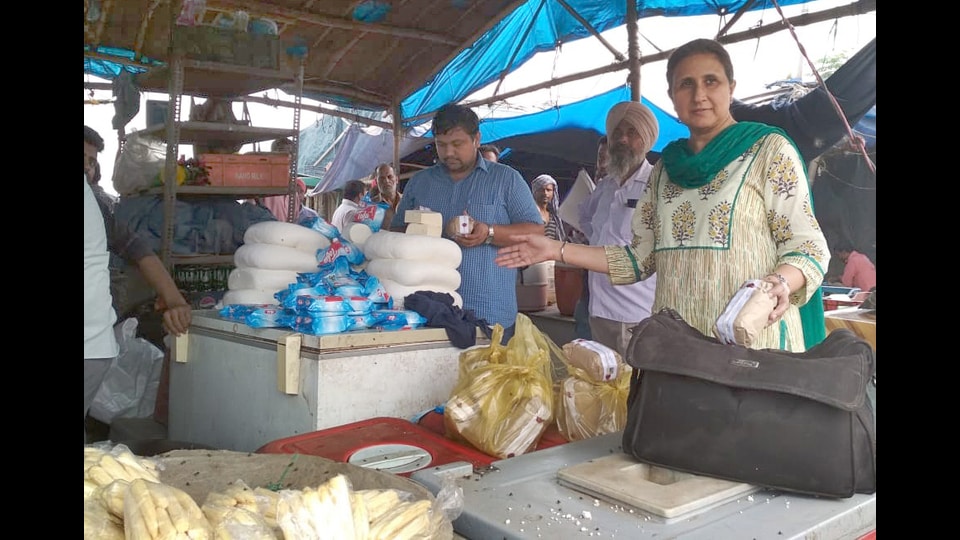
According to the Union ministry of health and family welfare, 47% of paneer and other milk product samples have failed to meet quality standards in Punjab. Of the 531 samples analysed in 2024–25, 255 were either adulterated or failed quality tests, the ministry informed the Rajya Sabha during the ongoing winter session of Parliament.
Starch and sucrose were among the most common adulterants that were detected in paneer. The Food Safety and Standards Authority of India (FSSAI) has already flagged paneer as the most adulterated food item in the country, urging consumers and industry stakeholders to enhance vigilance.
According to the food safety regulator, a whopping 83% of paneer samples tested between April 2024 and March 2025 failed basic food safety standards. Even worse, approximately 40% of the failed samples were deemed outright hazardous for human consumption due to the presence of illegal and toxic adulterants.
According to the ministry’s data, the adulteration rate in Punjab was higher than the neighbouring states, including Haryana (43.8%) and Himachal Pradesh (33.3%).
In 2023–24, as many as 230 samples of paneer and other milk products out of 585 had failed the quality test in Punjab. The substances used to mimic genuine dairy proteins are deeply concerning for public health, say experts.
Apart from toxicity, fake paneer is nutritionally inferior. It cuts down on protein intake (important for children, pregnant women and elderly people) and can mislead unsuspecting consumers about calorie or fat content, a concern for those grappling with lifestyle diseases
Explaining the steps taken to detect adulteration, the ministry said: “The implementation and enforcement of the Food Safety and Standards Act, 2006, is a shared responsibility between the central and state governments. Through its regional offices and food safety departments of states and UTs, food safety watchdog FSSAI conducts surveillance, inspection, monitoring.”
“Random sampling is undertaken to verify compliance with the standards laid down under the Act,” the ministry added.
Earlier, Punjab health minister Dr Balbir Singh had urged people to make greater use of the ‘Food Safety on Wheels’ initiative, under which mobile food testing vans are deployed to screen major food items, including milk and paneer, for adulteration.
The minister had also informed that around 145 people were convicted and sentenced to six-month imprisonment over the past five years for manufacturing unsafe food products, particularly paneer and desi ghee.


