
 E-Paper



‘Haryana to meet 50% energy needs from clean sources by 2030’
This was stated by principal secretary, energy Shyamal Misra on Thursday during a workshop on Asia Low Carbon Building Transition (ALCBT) Project.

 Prefer HTon Google


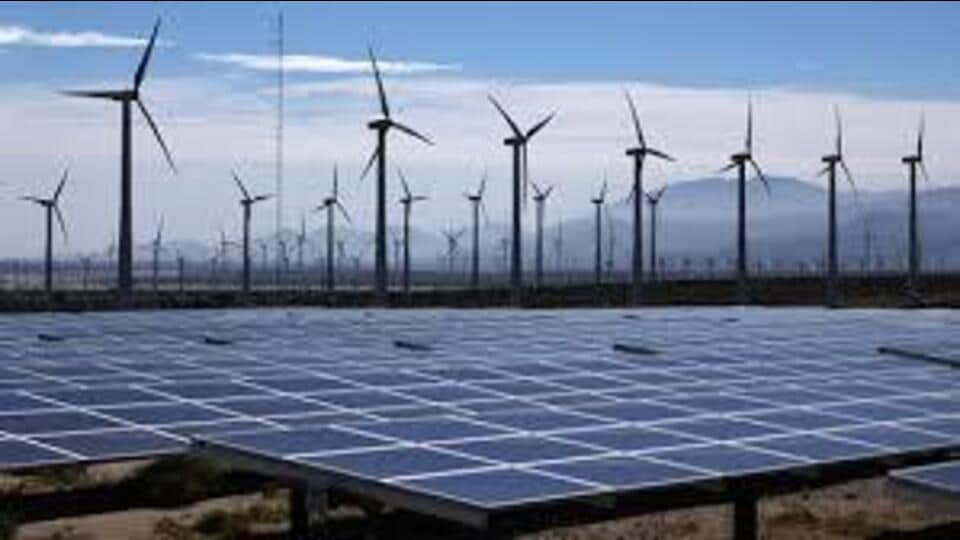
About 38.61% of Haryana’s total installed power capacity (about 16,227 MW) is sourced from non-fossil fuel-based energy. The state government has set an ambitious target to meet 50% of its energy demand through clean energy sources by 2030, with the required institutional and policy framework already in place. This was stated by principal secretary, energy Shyamal Misra on Thursday during a workshop on Asia Low Carbon Building Transition (ALCBT) Project. The workshop was organised by the New and Renewable Energy department in collaboration with the Global Green Growth Institute (GGGI).
A department spokesperson said that industrial units, government buildings, commercial establishments and educational institutions were felicitated with certificates and cash awards for their outstanding contributions to energy conservation.
Misra noted that the Haryana Power Utilities have successfully achieved their renewable purchase obligation (RPO) targets for the financial year 2024–25, and the necessary plans and agreements are already in progress to achieve the 43.33% RPO target set for 2029–30.
New and Renewable Energy director Aditya Dahiya said that HAREDA has signed a memorandum of understanding (MoU) with GGGI for the implementation of the Asia Low Carbon Building Transition Project, which is being executed across five Asian countries — Cambodia, India, Indonesia, Thailand and Vietnam — with Haryana, Kerala and Uttar Pradesh representing India.
GGGI regional manager Julie Robles, said that under this project, initial data from around 600 buildings in Haryana has been collected, with 110 buildings undergoing detailed assessment, and 22 buildings identified for in-depth energy efficiency improvement studies.


