
 E-Paper



Audio alerts at Lucknow railway crossings: Help or cacophony?
This safety initiative by Indian Railways has been generally appreciated. However, for those living near the crossings, the high volume of the announcements has become a disturbance.

 Prefer HTon Google


Sound systems with pre-recorded audio messages were installed at several railway level crossings across Lucknow a few months ago to raise awareness and prevent accidents. However, residents living near the crossings complain about the loud volume, especially during nighttime, which disrupts their peace.
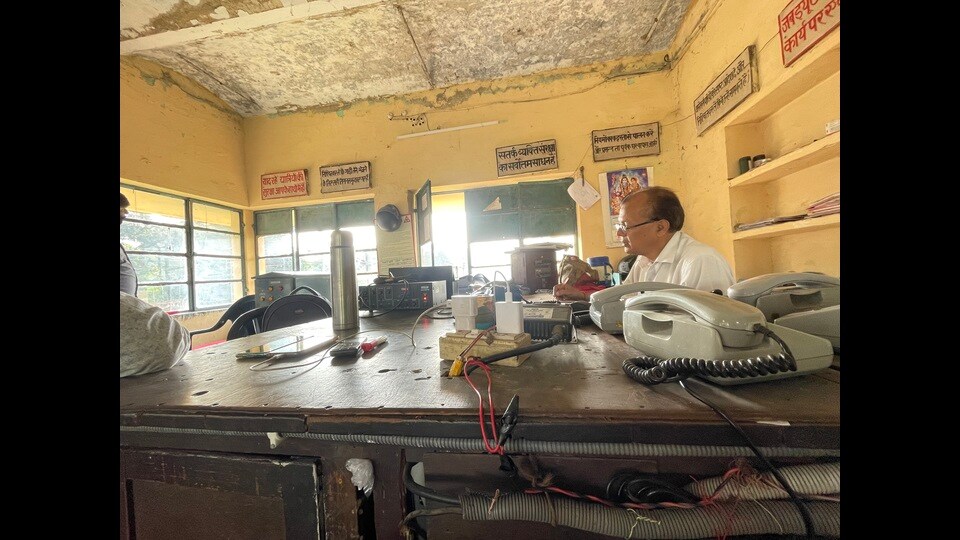
While crossing several busy railway level crossings in the city, one can hear loud audio messages being broadcast through speakers on both sides of the tracks. These uninterrupted announcements remind people to stay alert and avoid accidents when crossing the tracks.
This safety initiative by Indian Railways has been generally appreciated. However, for those living near the crossings, the high volume of the announcements, particularly at night, has become a disturbance. Despite recognising the initiative’s purpose, many are frustrated by the excessive noise during odd hours.
During a visit to a level crossing near Dilkusha Railway Station, it was observed that while the sound system continued making safety announcements and the barriers were lowered, many people still ignored the warnings, crossing on bikes and cycles despite the closed gates.
“This is a good initiative, but the announcements at such high volumes throughout the night are unnecessary,” said Alimun Nisha, a shop owner near the crossing. “The volume should be reduced at night.”
Rohit, who runs a bike repair shop on the other side of the crossing, said, “We had trouble sleeping initially, but we’ve gotten used to it, just like we’ve gotten used to the sound of passing trains.”
Despite the constant warnings, the message seems ineffective in preventing risky behaviour. “People still cross with their vehicles even after the barriers are lowered, ignoring the audio warnings,” said Deepak Kumar, a tea seller living in a hut near the crossing.
Sound adjustment possible on higher orders
Dilkusha station master, Amar Raza, explained that the crossing is one of the busiest in the city, with over 200 trains passing through daily. “This location was chosen for the audio system because it’s accident-prone, particularly at night when train traffic is heavier,” he said.
Raza further clarified, “The audio system is pre-recorded, and the volume is preset without manual control. If the high volume at night is an issue, it can only be adjusted if orders come from higher authorities.”


