
 E-Paper



STP projects for Gomti clean-up hang in balance due to delays in land allocation
UP Jal Nigam proposed STPs at major sewage outfall points to stop untreated wastewater from flowing directly into Gomti, but despite a formal request for 20.81 hectares of land, the project is in limbo


LUCKNOW While government agencies draft long and short-term plans under the Clean Gomti initiative, a key proposal to build seven new sewage treatment plants (STPs) in Lucknow hangs in the balance due to delays in land allocation.
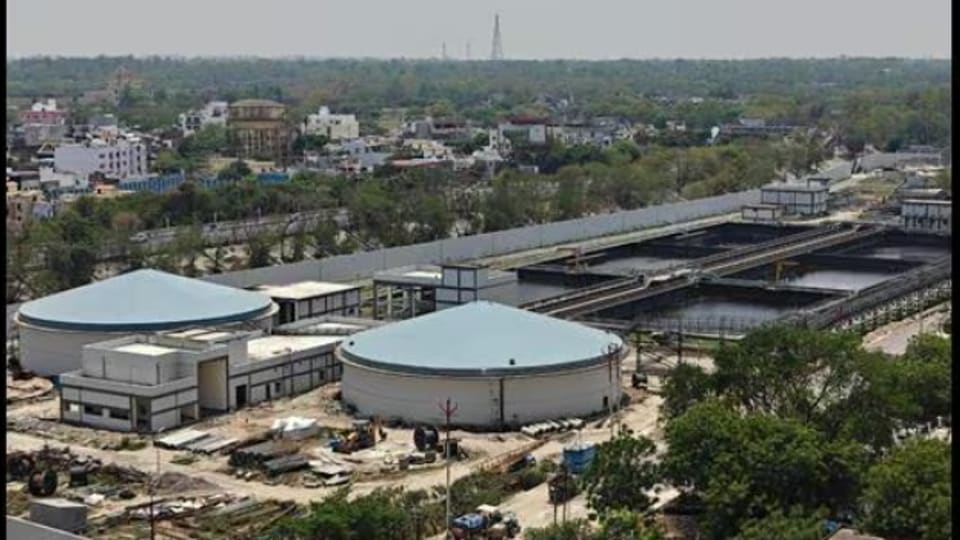
As part of its long-term strategy, the UP Jal Nigam has proposed STPs at major sewage outfall points — including Jiamau, Wazirganj, Nilmatha, CGPS, Mastemau, Pipraghat and Alinagar nullah — to stop untreated wastewater from flowing directly into the Gomti. Officials believe this could mark a turning point in restoring the city’s lifeline, which continues to suffer from chronic pollution.
However, despite a formal request for 20.81 hectares of land, the project is stalled. The required land is held by Lucknow Municipal Corporation (LMC), Lucknow Development Authority (LDA) and the State Housing Board, but responses have been slow or non-committal despite repeated follow-ups, said Jal Nigam officials.
A Jal Nigam official shared a detailed breakdown of the land requirements: Jiamau (9.24 hectares), Wazirganj (4.2 hectares), Nilmatha (4.34 hectares ), CGPS near Lakshman Mela ground (2.60 hectares), Mastemau (0.22 hectares), Pipraghat (0.77 hectares) and Alinagar nullah (0.07 hectares). “Without land, we cannot even begin initial steps like soil testing or DPR preparation. Every day of delay directly affects the river,” the official said.
Recent reviews under the State Ganga Cleanliness Mission reveal that 26 out of the city’s 33 drains have already been “tapped”, meaning their wastewater is now diverted to treatment facilities rather than flowing into the Gomti. However, seven major drains are still contributing pollutants.
For cleaning of Gomti, several new high-capacity STPs are in various stages of development – Daulatganj (39 MLD) is almost completed and is functional, Barikala (3.5 MLD) is under construction, Loniyapurwa (50 MLD) is under construction, Bharwara Phase III (75 MLD), for Gomti Nagar and nearby areas under construction, waiting for budget, Basant Kunj (120 MLD) is in development stage.
According to Jal Nigam officials, these projects could become a milestone in restoring the ecological balance of the Gomti, which has long suffered due to under-capacity treatment infrastructure. Existing STPs have struggled to handle the city’s daily sewage output, leading to millions of litres of untreated waste being discharged into the river every day.
The Gomti has seen several clean-up efforts over the years, but many have been undermined by inadequate infrastructure and official delays. The current plan to build localized STPs at outfall points is part of a decentralized approach aimed at intercepting sewage before it enters the river.
Environmentalists have warned that continued inaction could further deteriorate the river’s ecosystem, already stressed by high biological oxygen demand (BOD) levels and declining aquatic life.
Ranjit Singh, a river activist praised by PM Narendra Modi in his ‘Mann ki Baat’ programme, for his weekend clean-up drives, said: “Funds and technology are in place, but red tape is choking progress. Unless land-owning bodies act swiftly, the Clean Gomti initiative risks becoming another lost opportunity. The success of any project hinges entirely on whether the city’s institutions can align on a common goal, before the damage becomes irreversible.”
Stuck in limbo?
The Gomti clean-up was envisioned as a transformative step in urban environmental management by chief minister Yogi Adityanath, said a highly placed official of Jal Nigam. However, without immediate administrative intervention to resolve land allocation and improve inter-agency coordination, the plan risks becoming yet another missed opportunity, he added.
“Unless land-owning bodies expedite the process, the Clean Gomti initiative may remain yet another well-intentioned plan stuck in limbo — while the river continues to bear the burden as 7 major nullahs are still falling directly into it without effluent treatment,” said Ranjit Singh, a river activist.


