
 E-Paper



Microplastics dominant in cooked food, finds IIT-B
Notably, air samples were found to expose individuals to the least amount of microplastics, ranging between 177 and 587 particles per day

 Prefer HTon Google


Mumbai While many studies have already established the presence of microplastics in a wide range of everyday items like salt, honey, bottled water etc, a new study by researchers at IIT-Bombay has found the presence of microplastics in food, air and water at the institute’s Powai campus.
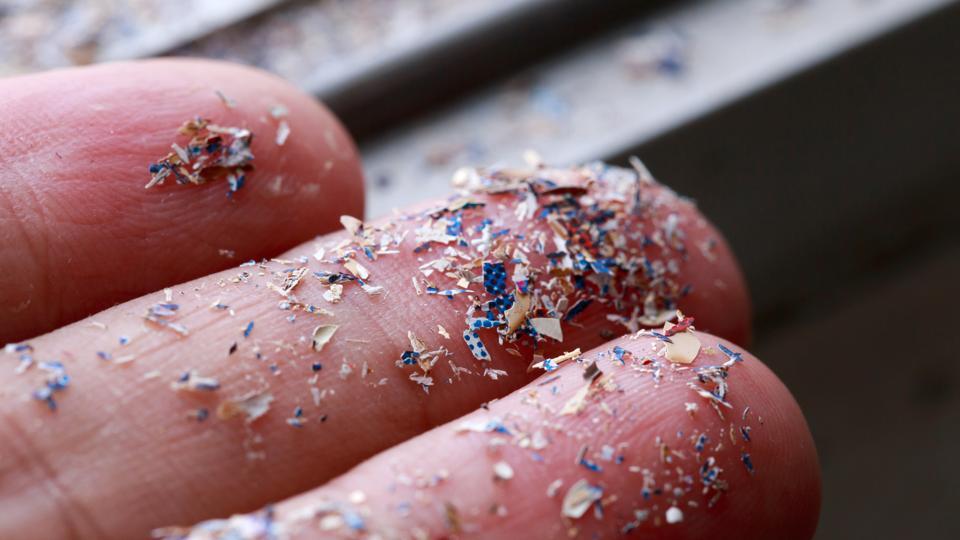
The study conducted by the Centre for Environmental Science and Engineering, published on June 24 in the Elsevier journal Environmental Research, analysed 35 samples each of ambient air and drinking water, and 10 samples of food and deduced that an individual at the campus may be ingesting between 1,414 to 2,610 microplastic particles per day, with cooked food being the dominant mode.
Notably, air samples were found to expose individuals to the least amount of microplastics, ranging between 177 and 587 particles per day. For drinking water, the range was between 325 and 863 microplastic particles per day, while cooked food exposed subjects to between 543 to 1,529 particles per day.
The study -- ‘Estimation of microplastic exposure via the composite sampling of drinking water, respirable air, and cooked food from Mumbai, India’ also chemically differentiated between the microplastics. They included polyethylene terephthalate (used in food packaging), polystyrene (thermocol), polynorbornene (used in the rubber industry) and nylon (a textile), among others.
Amritanshu Shriwastav, corresponding author of the study, said these findings are not surprising, but significant. He said that depending on their size, microplastic particles once ingested could potentially reach different organs in the body, with smaller nanoparticles being able to pass the blood-brain and the placenta barrier.
“It has also been demonstrated that these particles could increase the risk of physical and chemical toxicity in individuals. But these findings have limited efficacy when it comes to assessing the larger public health risk of microplastics, because there is a lack of data on exposure through different mediums,” Shriwastav said.
Independent experts, who reviewed the study, also expressed concern at the findings. Avick Sil, director of Enviro Policy Research India, a government-accredited environmental consultancy based in Thane, said this study underlines the urgent need for a similar survey across a larger cross-section of the population, at least at a city level.
“This gives us a snapshot of just how ubiquitous these materials are in our urban environment. We need to take this research further, to try and understand which sections of the population are most exposed. These findings could also provide a base for studies that try to identify the sources of these plastics as well as their health impacts, which are not fully understood as yet,” said Sil.


