
 E-Paper



Maha power plants face coal crisis as soaring mercury drives up demand
Mumbai: The coal stock at thermal power plants operated by state-run power generation utility have plunged due to supply bottlenecks as the rising mercury continues to drive up the electricity demand

 Prefer HTon Google


Mumbai: The coal stock at thermal power plants operated by state-run power generation utility have plunged due to supply bottlenecks as the rising mercury continues to drive up the electricity demand.
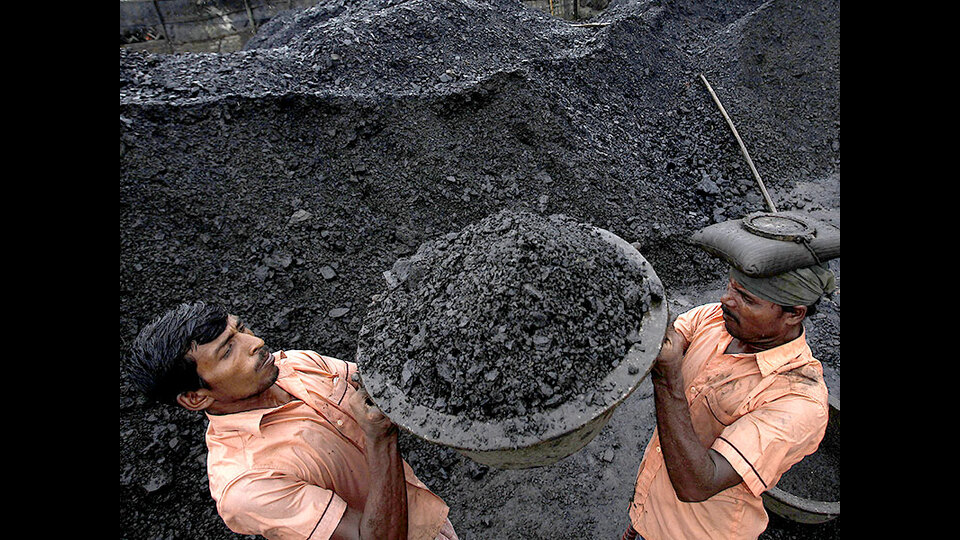
Three of these power projects that together account for around 4,000 MW of the 9,330 MW installed generation capacity of the Maharashtra State Power Generation Company Limited (MahaGenco) have coal inventory sufficient for just over a day.
Coal-based thermal power accounts for the bulk of the power generated by MahaGenco. The state-owned electricity generation utility has an installed capacity of around 13,602 MW across all sources like thermal power (which is 9,330 MW), hydroelectricity, gas and solar.
The onset of the summers and resumption of economic activity after the easing of lockdown restrictions have led to power demand rising. On 29 March, a peak demand of around 28,000 MW was reported for the state. Maharashtra is supplied power by state-owned companies as well as private companies such as Tata Power and Adani, who cater to consumers in Mumbai.
The coal supply shortage, which is part of a nationwide crisis in the sector, is likely to impact MahaGenco’s plans to ensure an optimum buffer stock of the fuel to tide over the crisis of wet coal supply during the monsoons.
Wet coal cannot be used immediately for power generation. The supply crunch has led to the coal sector behemoth, Coal India Limited (CIL) slashing supplies to the non-power sector industries like steel mills and aluminium smelter units. It has also put plans for some coal auctions on hold.
On Monday, the coal stocks at the Koradi thermal power station, which has a 1,980 MW installed capacity, Bhusawal (1,210 MW) and Parli (750 MW), had plunged to levels that can suffice for just 1.30, 1.76 and 1.65 days, respectively.
Stocks at other plants—Khaparkheda (8.06 days), Chandrapur (7.70 days), a 210 MW set at Koradi (5.99 days), Nashik (4.30 days) and Paras (3.96 days), were relatively better, but far from optimum levels.
On Monday, the MahaGenco had a coal stock of 6,71,849 metric tons, which was less than the around 18 lakh metric tons last year.
The utility needs around 1,38,710 metric tons of coal every day to run its generating stations at optimum capacity (around 85 percent plant load factor). It gets a bulk of its coal supply (60 percent) from the Western Coalfields Limited (WCL) followed by the South Eastern Coalfields (SECL) and Mahanadi Coalfields Limited (MCL).
“The supply is less than the norms at all places. This is a nationwide issue,” said Sanjay Khandare, Chairman and Managing Director, MahaGenco. He added that one of the reasons for low inventory was the inability of the Railways to provide adequate rakes to transport coal.
The MahaGenco conventionally maintains varying levels of coal stocks at the thermal power plants based on their distance from the pitheads or coal mines. On average, an inventory of 15 days is maintained in projects that are far from mines, and around a week for those close to pitheads, noted officials.
Khandare said that they were trying to tide over the crisis by increasing coal procurement in coordination with the coal producers, securing more rakes from the railways, and also using the road-cum-rail (RCR) route to transport the fuel. The Central Electricity Authority (CEA) had also permitted the import of 5 percent of the coal requirement and this imported coal will be blended with domestic coal.
However, Khandare noted that the power generation had not been affected by coal shortages. In case of a crunch, hydroelectricity was used to meet the peak demand. The state-owned power generation utility was also planning to backdown some old generating sets with a 210 MW capacity, which have lesser operational efficiencies, and use their coal linkage to create a monsoon buffer.
It builds up a buffer stock for the rainy season by creating a daily inventory of around 10,000 to 15,000 metric tons a day since November. Over around 200 days, this helps build up a 20 lakh metric tons stockpile to help tide over any possible supply disruptions in the monsoons.
“There is a coal shortage, but we are managing,” said Dinesh Waghmare, principal secretary (energy), adding that imports and RCR contracts would help meet some of the coal demand.
A senior MahaGenco official said that the WCL had agreed to boost supply by around 10,000 to 15,000 tons daily. “We can tide over the coal demand in the summer, but it is the supply constraint in the monsoons that worries us,” he added.


