E-Paper



Lucknow pet trainer murder: Cops track garbage trail for dupatta used in killing
Police believe the cloth was thrown into a garbage collection vehicle after Tiwari was killed at his in-laws’ house in Takrohi, Indiranagar.

 Prefer HTon Google


In an unusual hunt for evidence, Lucknow police are tracing the route of a municipal garbage vehicle in search of the dupatta allegedly used to strangle 25-year-old pet trainer Pankaj Tiwari.
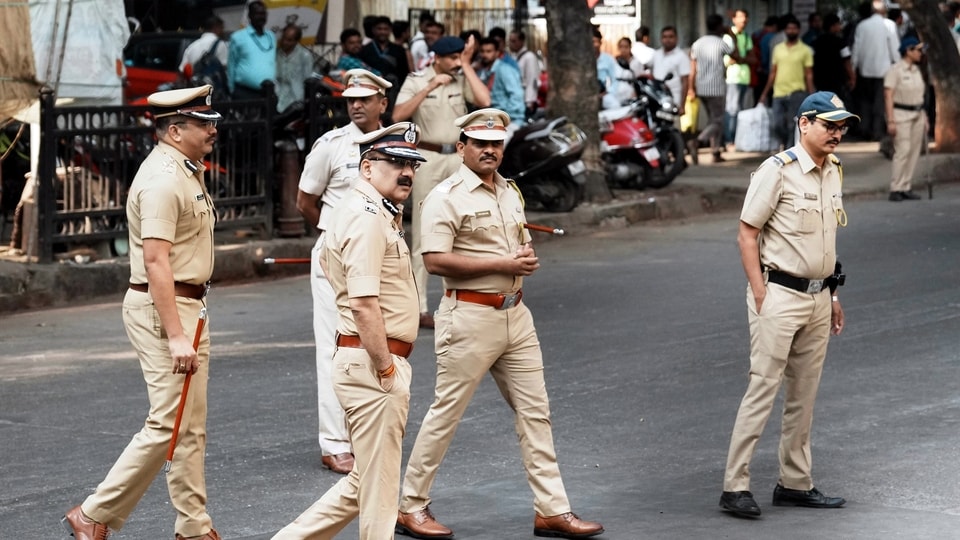
Police believe the cloth was thrown into a garbage collection vehicle after Tiwari was killed at his in-laws’ house in Takrohi, Indiranagar, and are now trying to retrace its journey to determine where the vehicle took the waste and where it was eventually unloaded.
According to police, Pankaj was strangled using a dupatta and hands during an argument at the house. “After the killing, the accused allegedly disposed of the cloth by throwing it into a garbage vehicle that had come to collect waste from the area,” police said in a statement.
Now, investigators are working backwards from the garbage trail to the murder scene to establish which vehicle collected the waste, who was driving it, where it went afterwards and where the garbage was eventually unloaded.
Also Read | Union minister JP Nadda undergoes angiography at AIIMS after uneasiness
“We are trying to establish which garbage collection vehicle picked up the waste from the location and trace its subsequent movement. The team is also talking to municipal sanitation workers to find out where the vehicle went after collecting the garbage,” Indiranagar SHO Ajay Narayan Singh said.
The task, however, is proving to be far more difficult than tracing an ordinary discarded object. Lucknow generates around 2,000 metric tonnes of garbage every day, which is collected from different parts of the city and transported through an extensive network before being taken to designated waste-processing and disposal facilities. This makes the recovery of one particular piece of cloth days after its disposal a daunting challenge. LMC environmental engineer Sanjeev Pradhan confirmed that 2,000 metric tonnes of waste gets collected from across the city on a daily basis.
Also Read | 'Between me and students': CJI Surya Kant slams Bar Council move against protesters
“We are, therefore, trying to establish the exact route of the vehicle that collected garbage from the area around the crime scene,” the SHO said.
Investigators are also questioning municipal personnel to determine the vehicle’s driver and the locations where it stopped before the waste was unloaded.
“The possibility that the cloth has already been mixed with a large quantity of municipal waste is what makes the recovery particularly difficult. Police teams, however, are pursuing the trail because recovering the cloth could provide an important piece of physical evidence in the murder case,” the officer added.
The hunt for the cloth comes after the investigation into Pankaj’s death took a dramatic turn following his post-mortem examination. He was initially believed to have died after a fall at his in-laws’ house on August 7, but the autopsy established that he had been strangulated.
Tiwari, a native of Barabanki, had married Neha Tripathi in 2022 after the two met during one of his dog-care sessions. He had been living at his in-laws’ house in Takrohi.
Police said an argument over Tiwari allegedly returning late from a dog-care session escalated and resulted in his killing. Investigators said Neha suspected that he could be involved with another woman because he had met her during one of his sessions and feared that he might repeat the same behaviour.
Pankaj’s family had initially suspected that he had been poisoned after noticing blood and froth around his mouth. His in-laws had allegedly told them that he had fallen down the stairs and suffered fatal injuries. The post-mortem, however, ruled out the fall theory and pointed to strangulation.
Police subsequently arrested Neha, her parents and her two brothers in connection with the murder. They were produced before a court and sent to jail.