E-Paper



State mandates transgender cells in colleges, aims for inclusivity
The New Education Policy aims to establish transgender cells to serve as guardians, ensuring transgender students are not subjected to discrimination campus

 Prefer HTon Google


Mumbai: Four days after the Maharashtra government cleared a comprehensive policy for the transgender community, it has now mandated the establishment of transgender cells in all higher education institutions, aiming for an inclusive academic environment on campus.
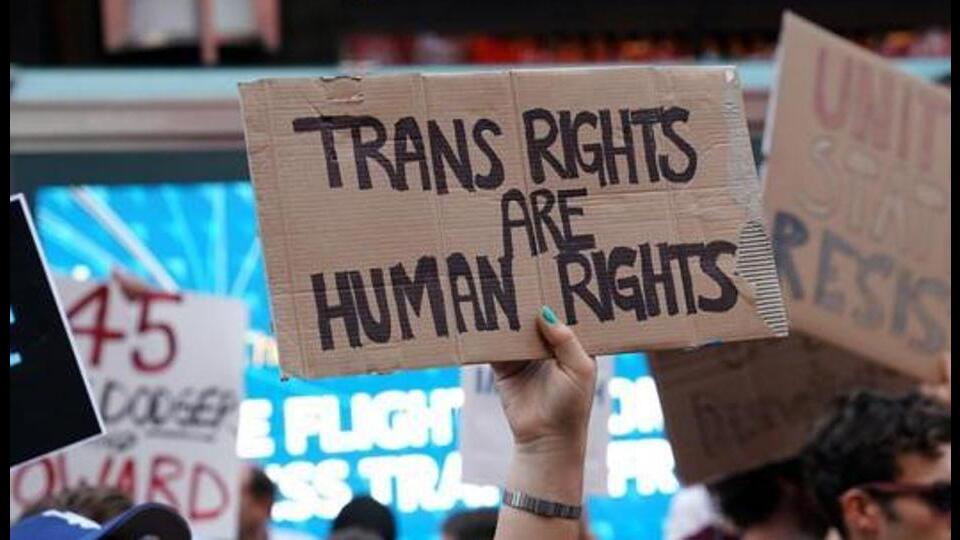
According to the government resolution (GR) issued by the higher and technical education department on Friday, every university must establish a dedicated cell along with appointing a coordinator to facilitate counselling, career guidance, and academic support specifically tailored for transgender students.
Additionally, institutions providing hostel facilities will have to allocate sections for transgender students. Failure to comply with these directives may result in disciplinary action, particularly if any institution discriminates against students based on gender during the admission process.
The GR states that the New Education Policy (NEP) 2020 highlights inclusiveness, and therefore the establishment of transgender cells within colleges will serve as vigilant guardians, ensuring that transgender students are not subjected to discrimination or bias on campus. These cells are mandated to actively combat prejudice and discrimination while raising awareness about mental and sexual harassment faced by transgender students.
It also emphasises that university-level cells will adopt a more comprehensive approach, encompassing awareness-building, sensitivity training, and the provision of essential services such as counselling and career guidance.
In a prior initiative aimed at promoting inclusivity in higher education, Maharashtra’s higher and technical education department announced a fee waiver for transgender candidates seeking admission to universities. The directive required universities to bear the associated costs, signalling a commitment to facilitating equal access to higher education for transgender individuals.
Transgender activist Nikita Mukhyadal criticised the government’s policies, highlighting what she perceives as their failure to address crucial issues faced by the transgender community.
“The government appears to be toying with our emotions. While they continuously introduce new policies supposedly aimed at benefitting the transgender community, the reality on the ground remains bleak,” Mukhyadal said. “Many graduate students within our community are still forced to resort to begging for their sustenance, as the government neglects our fundamental demand for 1% horizontal reservation in government jobs. It’s imperative that the government acknowledges and acts upon this demand, as it holds the potential to significantly uplift the community.”