E-Paper



Odisha demands 25 lakh doses of Covid-19 vaccine in single lot over intermittent supply
The Odisha government has again demanded at least 25 lakh doses of Covishield and Covaxin vaccines in a single supply, saying that an intermittent supply affected the vaccination drive, as per the state health minister’s letter to the Union government


The Odisha government has again demanded at least 25 lakh doses of Covishield and Covaxin vaccines in a single supply, saying that an intermittent supply affected the vaccination drive, as per the state health minister’s letter to the Union government.
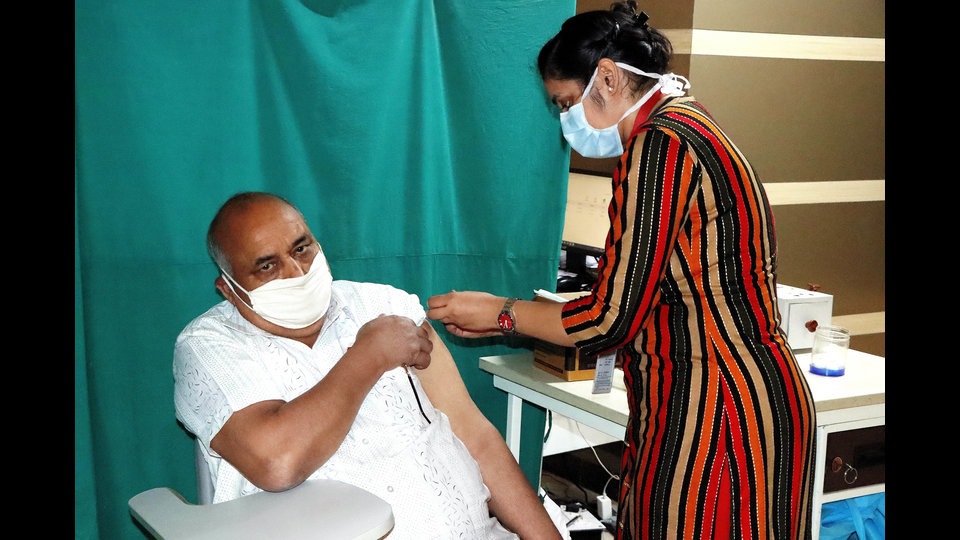
“I again request you to urgently supply at least 10 days of stock of Covishield (25 lakh doses) in a single lot as an emergency measure to enable us to plan sessions and undertake the vaccination programme effectively. Due to the intermittent supply of COVID vaccines, the sessions for immunisation cannot be conducted as planned,” Odisha health and family welfare minister Naba Das said in his letter to the Centre. Das had earlier written two more letters to Union health minister Dr Harsh Vardhan requesting more supply of vaccines.
Das, in a letter to Dr Harsha Vardhan, said the state is prepared to administer 3 lakh doses daily but about 2-3 lakh vaccine shots are being allocated to it at a time.
Das said the state has received 50,79,650 doses of Covid-19 vaccines as of April 14 of which 48.15 lakh doses have been used. Though the state administered 2.71 lakh doses on April 3, its highest so far, the vaccination has been erratic due to the intermittent supply of vaccines. In the last 7 days beginning April 9, the vaccination has hovered between 66,787 and 1.98 lakh, he said.
The state is likely to receive another consignment of 3 lakh doses of vaccines on Friday.
The state government’s concern over erratic Covid-19 supply came even as Odisha registered its highest single-day Covid-19 cases of 3,108 on Friday. Three more deaths were reported.
The Test Positivity Rate (TPR) climbed to 9.7 per cent while the R0 (R-naught) value stood at 2.14. R-naught, also called the R-factor, stands for the ability of one infected person passing on the disease, on average, to the number of healthy people.
Reports suggest that the rate of reproduction of coronavirus infection has reached its peak since March-April 2020 when it was 1.98 in Odisha.
Director of health services, Dr Bijoy Mohapatra, said, though the state government is yet to arrive at a mathematical model of the likely number of cases in the next few weeks, he expected the peak to arrive by mid-May.
“Considering that the R0 value is now more than 2 and TPR is nearing 9, we are making all efforts to keep the beds ready. Of the 4,198 general Covid beds, around 25 per cent are occupied while 60 per cent of the ICU beds are occupied. Similarly, less than 20 per cent of the ventilators are occupied right now. We are trying to add 40 per cent more beds than what we would need at the time of a peak,” said Mohapatra.