
 E-Paper



Four years later, ‘digital village’ still struggling for internet connectivity
Four years after Supe - a small village in Baramati tehsil of Pune district - was included in the ‘digital village’ scheme on October 31, 2018, it is still grappling with poor mobile range (internet) connectivity and low digital literacy among other issues

 Prefer HTon Google


Four years after Supe - a small village in Baramati tehsil of Pune district - was included in the ‘digital village’ scheme on October 31, 2018, it is still grappling with poor mobile range (internet) connectivity and low digital literacy among other issues.
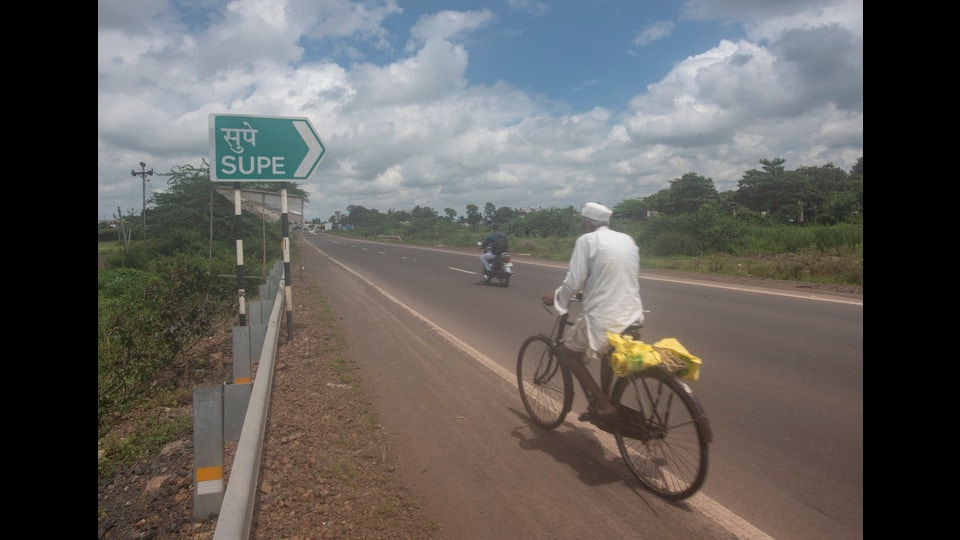
Due to poor internet connectivity, banks in Supe remained shut for more than a week and villagers were unable to withdraw any money during this period. Jayram Supekar, one of the villagers, said, “Last month, Bank of Maharashtra was shut for more than a week owing to the lack of internet connectivity and villagers were forced to go to Baramati to withdraw money.” While there are three mobile towers in Supe, they are unable to provide uninterrupted service, Supekar said.
Similarly, villagers were unable to get land documents under e-seva. Supe resident and member of the zilla parishad Pune, Bharat Khaire said, “Recently, there were heated arguments between farmers and the talathi over e-documents. However, I conveyed to the farmers that poor connectivity was the reason they could not get the documents on time.” Khaire said nothing has been done despite writing several letters to the concerned authorities.
Owing to poor internet connectivity, students have been struggling to attend online classes. Shopkeepers have stopped using PoS (point of sale) machines to enable villagers make digital transactions as most villagers are now carrying out cash transactions owing to poor connectivity.
Under the government of India’s ‘digital village’ scheme, villagers can avail educational services including basic and advanced computer courses and health services including tele-health and tele-veterinary consultation. They can develop their skills as automotive technicians, handset repairers, field technicians (home appliances) and electrical technicians. They can register online for professional entrance examinations, pan cards, Aadhaar cards including modification, service selection boards and the public service commission. Under the business-to-consumer (B2C) component of the scheme, villagers can recharge their mobiles/direct-to-home (DTH), and book rail and air tickets. However, very few out of all the services that the residents of Supe can avail under the ‘digital village’ scheme have materialised on ground.
On her part, Swati Hirve, sarpanch, Supe, said, “Under this scheme, we have organised computer literacy courses for villagers. We have installed solar street lights at important places in the village.” Hirve said that her team is writing to several mobile companies to set up towers in Supe.
While ZP CEO Ayush Prasad said, “We have provided the necessary infrastructure required for the ‘digital village scheme’. Under ‘Bharat Net’, we have provided connectivity at five important points in the village including PHC, the school and gram panchayat. In fact, we are successfully running the tele-medicine facility at Supe. Many a time, we have to face problems due to fibre optics however.” Prasad further said that in many places, they have prioritised getting permissions to install mobile towers so that rural areas get proper connectivity. If there are issues even after doing that, he will personally look into it, he assured.
Under the Digital India Central Sector scheme, a total outlay of Rs98.32 crore has been allocated for implementation of the digital village pilot project. For project implementation in Maharashtra, funds to the tune of Rs3.398 crore (Rs9.99 lakh per village) have been allocated out of which, Rs2.272 crore (in Maharashtra) has been utilised so far. Thirty-four villages in Maharashtra were selected under the digital village scheme.


