
 E-Paper



IVF technique a boon for increasing indigenous cattle population for milk production
Already, the Pune Agricultural college, which is the centre for indigenous cattle research and training, has successfully given birth to calves of the Sahiwal and Gir indigenous breeds using IVF technology

 Prefer HTon Google


As indigenous cattle can adapt very easily to the local environment as against crossbred cattle, the Maharashtra and central governments will now promote indigenous cattle for milk production even though the milk production of crossbred cattle is known to be higher. As there are less milk-producing indigenous cattle, the state government has decided to adopt the ovum pick-up and in-vitro fertilisation (OPU-IVF) technique to increase the population of such cattle. Already, the Pune Agricultural college, which is the centre for indigenous cattle research and training, has successfully given birth to calves of the Sahiwal and Gir indigenous breeds using IVF technology.
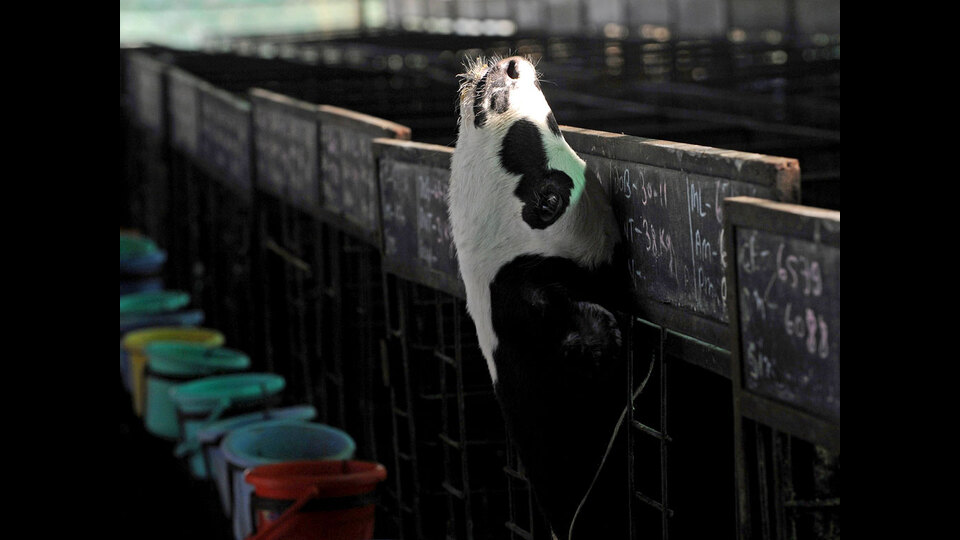
Project in-charge, indigenous cattle research and training centre, Mahatma Phule Krishi Vidyapeeth, Dr Somnath Mane, said, “Gir, Sahiwal, Red Sindhi, Tharparkar and Khillar are indigenous breeds well-known for their milk. We need to promote these breeds as it will give additional income to small farmers and at the same time, good quality milk to the citizens.”
“The IVF technique will be a boon for increasing the indigenous cattle population for milk production. At present, the IVF cost is around ₹20,000 but once the number of cows increase, the technique will become cheaper, with farmers being able to adopt it at nominal costs,” Mane said.
“We gave birth to calves of the Gir and Sahiwal breeds at the university level. Instead of keeping this technique only at the university level, we are carrying out an experiment with 150 farmers. We are hoping that this will popularise the technique,” Mane said.
“At present, due to the various characteristics of indigenous cattle and the increased demand for milk, dairy products, cow urine and cow dung, farmers are being drawn to indigenous cattle rearing on a large scale. It is critical to increase the population of indigenous cattle by using the IVF technique,” Mane said.
Indigenous cattle can survive in different environments. Indigenous cattle account for 10% of the total indigenous livestock known for milk, and are mainly found in north India. The indigenous breeds in Maharashtra such as Khillar, Dangi, Lalkandhari, Devani and Konkan Kapila are well-known for draft so their milk yield is low.
Box
Indigenous cattle milk production in litre per day
India - 3.01
Maharashtra - 2.3
Punjab - 6.9
Haryana - 5.9
Crossbred cattle milk production in litre per day
India - 7.95
Maharashtra - 9.6
Punjab - 13.4
Haryana - 8.9


