
 E-Paper



PMC to separate stormwater & drainage lines across Pune zones
The move comes on the back of heavy rainfall leading to flooding and inconvenience to residents in as many as 75 locations

 Prefer HTon Google


Well over a month since the onset of the monsoon and Pune Municipal Corporation (PMC) commissioner Naval Kishore Ram on Thursday, June 26, directed that underground- stormwater and drainage lines currently connected to drainage chambers in urban agglomeration areas such as Janta Vasahat, Bhavani Peth, Kothrud, Mangalwar Peth and Shivajinagar among many others be separated.
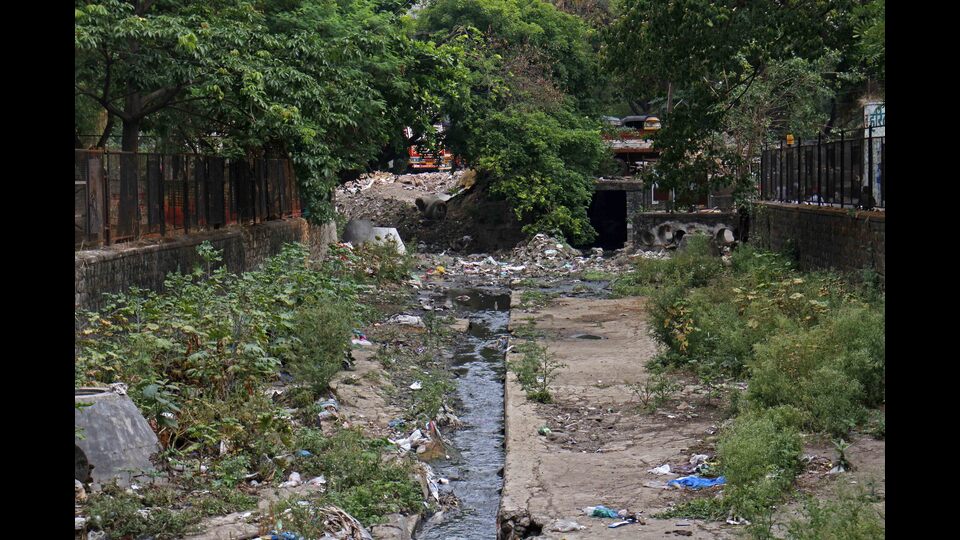
The move comes on the back of heavy rainfall leading to flooding and inconvenience to residents in as many as 75 locations – Fish Market, Pawale Chowk (Kasba), Nagzira Nala stretch (Padmavati), Bhim Nagar, Ganj Peth, Somwar Peth, Gururaj Society, Padmavati Chowk (near Anna Bhau Sathe statue) – where stormwater lines have not been properly connected or diverted into rivers/nullahs.
In the aforementioned areas, especially in densely populated ones, stormwater and drainage/sewage lines are currently interconnected as a temporary measure to tide over the problem of flooding with no serious attempts having been made to change the setup. However, the combined system often results in serious challenges during the rainy season, including waterlogging, sewage overflow, and contamination of public spaces.
As such, on July 4, the PMC drainage department will disconnect these lines from the chambers and ensure proper outflow into rivers/nullahs to prevent future flooding. In keeping with the municipal commissioner’s directive, a systematic plan is now underway to separate stormwater and drainage lines across all city zones. The PMC drainage department is preparing a comprehensive, zone-wise list to facilitate execution of this project.
The municipal commissioner said, “The necessary directions have been given and the results will be seen once the segregation work takes place at the earliest.” The initiative is expected to bring long-term benefits by reducing urban flooding, protecting groundwater from contamination, and improving the overall efficiency of water management systems within the city, he said.
Jagdish Khanore, head of the PMC drainage department, said, “Separating stormwater and drainage lines will reduce the burden on our existing drainage infrastructure. It will help prevent sewage overflow during heavy rain, improve public hygiene, and protect the environment by ensuring that rainwater does not mix with untreated sewage. It is a much-needed step in strengthening the city’s urban infrastructure, and ensuring the health and safety of our residents.”
In densely populated areas such as Bhavani Peth, Mangalwar Peth and Raviwar Peth, stormwater drainage systems have long struggled to cope with heavy rainfall, particularly during monsoons. The older parts of the city are characterised by narrow lanes, high-density housing and ageing infrastructure which leaves little room for proper water outflow. During periods of intense rainfall, stormwater often overwhelms the existing (combined) system, leading to water entering homes, shops and public spaces. As stormwater lines are not properly connected or diverted into rivers/nullahs, this results in a backflow of contaminated water creating severe health and sanitation issues for local residents.
Over the past few years, Pune has witnessed repeated instances of urban flooding in low-lying areas like Kasba Peth, Somwar Peth, Ganj Peth, and parts of Padmavati and Sahakar Nagar. The increasing frequency and intensity of rainfall, coupled with poor maintenance and encroachments on natural water channels have worsened the situation, prompting calls for a modernised, separate stormwater drainage system to reduce the risk of urban flooding and improve the quality of life of citizens in these vulnerable zones.
Asked why the work is being undertaken more than one month since the onset of the monsoon, the municipal commissioner said that the delay was caused because of several teething issues involving coordination between the stakeholders and because the job entailed searching for top-level expertise to mitigate the crisis on a permanent basis.


