
 E-Paper



Pune Cantonment: Once Cong stronghold, now BJP bastion
Pune Cantonment assembly constituency is likely to be a challenge for BJP and Congress even before the contest draws closer as both the parties expect a rise in ticket aspirant count

 Prefer HTon Google


Pune: The Pune Cantonment assembly constituency is likely to be a challenge for the Bharatiya Janata Party (BJP) and the Congress even before the contest draws closer as both the parties expect a rise in ticket aspirant count.
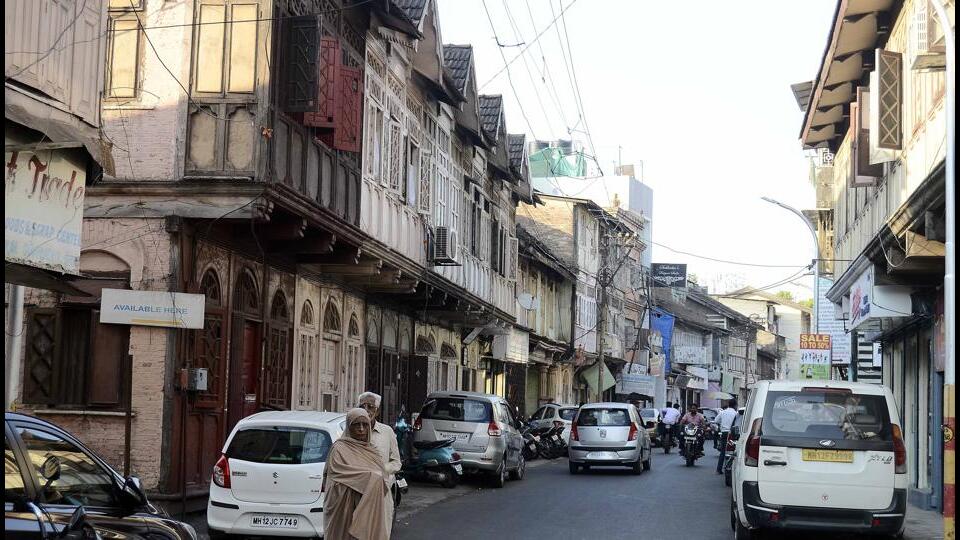
The constituency spans a diverse area, encompassing parts of both Pune Cantonment Board (PCB) and Pune Municipal Corporation (PMC) limits, including neighbourhoods like Hadapsar, Solapur Road, Sasanenagar, Sopanbaug, Phursungi, Magarpatta, Uruli Devachi, Mantarwadi, Ramwadi, and parts of Kondhwa and Ghorpadi.
Reserved for Scheduled Castes candidates, the constituency presents a unique blend of affluent and economically disadvantaged voters. While wealthier residents are concentrated in the cantonment area, lower-income groups predominantly reside in Hadapsar and along the Solapur Road. The area is also home to several heritage landmarks, such as the Shivaji Market and Ohel David Synagogue, a Jewish religious place also known as Lal Deval, adding to its cultural significance. The constituency’s electorate is cosmopolitan, with a mix of Maratha, Mali, Muslim, Christian, and upper-caste voters. The Shikalgar community also has a notable presence, particularly in Ramtekdi slums.
Sitting BJP MLA Sunil Kamble is facing resistance from within his party with a strong demand to replace him with a new candidate.
The discontent is also mirrored in the Congress, where both veteran leader Ramesh Bagwe and his son Avinash Bagwe are eyeing the seat. Adding to the mix, the city unit president has brought in former Shiv Sena corporator Avinash Salve, who has already begun campaigning and is confident about his prospects.
Salve said, “I am willing to contest the election from Pune Cantonment and try my best to win it.”
Traditionally, both the parties have fielded candidates from the Matang community. However, this time, there is significant pressure from the Buddhist community, which has a substantial vote bank in the constituency. The shift in community dynamics is causing friction within both the parties as they grapple to balance representation and voter expectation.
The Republican Party of India (RPI) Athawale faction, an ally of the BJP, has also staked its claim on the seat. RPI leader Parshuram Wadekar has publicly demanded that the BJP allocate the Pune Cantonment seat to the RPI, arguing that it would send a strong message across Maharashtra, especially in light of the recent opposition narratives about constitutional changes. He pointed to the 2019 Lok Sabha results where the Congress candidate received 15,000 more votes than the BJP representative as a clear sign that change is needed.
“The BJP must give this seat to the RPI and give justice to our party. The vote share difference in the previous polls should be a wake-up call for the BJP and the Mahayuti should give the seat to us to ensure victory. The saffron party giving RPI a chance would have a positive impact across the state,” Wadekar said.
In the Congress, discussions are underway to possibly move away from a Matang candidate, given the Buddhist community’s significant presence. The fact that there hasn’t been a Buddhist candidate from the Grand Old Party in western Maharashtra adds weight to the argument.
Other emerging potential candidates include Bharat Vairage and Sukhdev Adagale from the BJP; and Sunil Mane, Milind Kamble and Ravi Arde from the Congress-Maha Vikas Aghadi alliance. Meanwhile, the sizable Muslim and Dalit voter base has led to speculation that parties like the Vanchit Bahujan Aghadi and AIMIM (All India Majlis-e-Ittehadul Muslimeen) might also contest, or even form a third front, though the primary contest is expected to be between the BJP and the Congress.
As the election approaches, Pune Cantonment remains a constituency to watch with its mix of historical significance, shifting demographics and intense political competition promising a closely-fought battle.


