
 E-Paper



Pune to deploy night squads for filariasis surveillance
While Pune is not part of Maharashtra’s routine filariasis surveillance network, which covers 18 endemic districts, it has reported 44 cases since January 2026, largely among migrants.

 Prefer HTon Google


Pune: The Pune district health department will send out special night squads to begin active surveillance for lymphatic filariasis (LF), also known as elephantiasis, amid concerns over a possible silent spread of the disease in the district, officials said on Saturday.
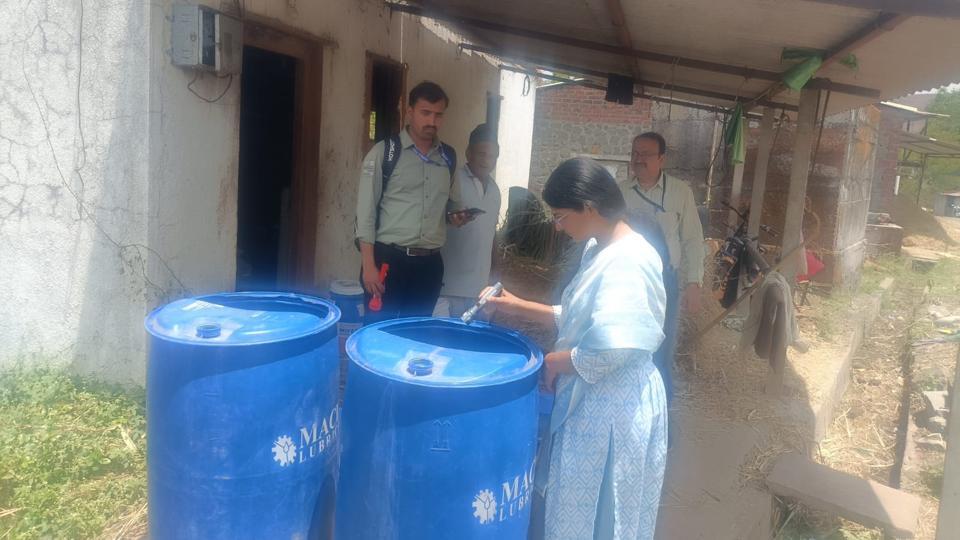
While Pune is not part of Maharashtra’s routine filariasis surveillance network, which covers 18 endemic districts, it has reported 44 cases since January 2026, largely among migrants. Officials warned that the absence of active surveillance increases the risk of local transmission, especially given the disease’s long incubation period.
Dr Aparna Patil, Pune district malaria officer, said the surveillance drive will begin next month. “The disease can remain hidden for years. Symptoms may take 5 to 15 years to appear, but during this time, infected individuals can contribute to transmission. Without early detection, the spread can go unnoticed,” she said.
Lymphatic filariasis is a mosquito-borne disease caused by parasitic worms, primarily Wuchereria bancrofti, and transmitted through infected Culex mosquitoes. Infection is often acquired in childhood and silently damages the lymphatic system. Severe symptoms such as lymphoedema, elephantiasis, and scrotal swelling appear later in life, often leading to permanent disability, stigma, and financial hardship.
According to officials, the night squads will operate throughout the year, focusing on high-risk clusters and vulnerable populations. Blood samples will be collected at night—when microfilariae are present in the bloodstream—to enable early detection.
“Infected individuals can carry microfilariae in their blood and remain undetected if not tested, allowing mosquitoes to pick up the infection and transmit it further,” Patil said.
Public health experts said Pune’s inclusion in active surveillance is crucial given its high migrant population and rapid urbanisation.


