
 E-Paper



7 explosions, 187 dead, 800 injured, 0 accused: The horror of 2006 Mumbai train blasts
Bombay high court acquitted all 12 convicts in 2006 serial blasts case citing lack of evidence.

 Prefer HTon Google


Nineteen years after a series of coordinated blasts tore through Mumbai’s suburban railway network, killing 187 people and injuring over 800, the Bombay High Court on Monday acquitted all 12 men who were convicted in the case.
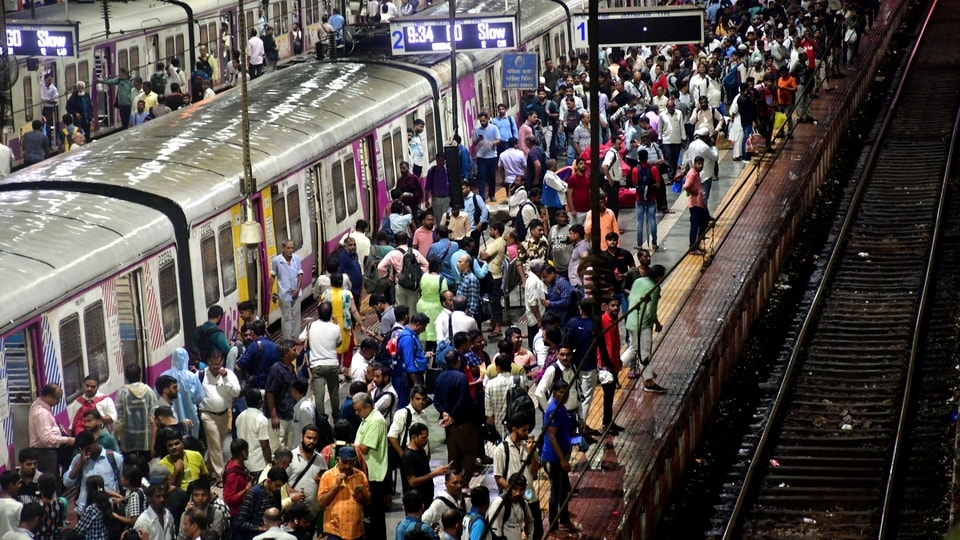
A special Maharashtra Control of Organised Crime Act (MCOCA) court had sentenced five of them to death and the remaining seven to life imprisonment in 2015.
The division bench of Justice Anil Kilor and Justice Shyam C Chandak said, “The prosecution has utterly failed to prove the case against the accused. It is hard to believe that the accused committed the crime. Hence, their conviction is quashed and set aside.”
The court was also critical of how key pieces of evidence—including explosives and circuit boxes allegedly used to assemble the bombs—were handled.
The horror of 11 July 2006
On the evening of July 11, 2006, Mumbai witnessed one of its deadliest terror attacks that affected the lives of nearly a thousand people. Seven bombs exploded in rapid succession inside first-class compartments of suburban trains on the Western line between 6:23 PM and 6:28 PM.
The first blasts occurred at Mahim, Bandra, and Mira Road at exactly 6:23 PM. The final explosion went off at Borivali at 6:28 PM. Investigators had then concluded that the explosions were coordinated using timer devices.
The force of the blasts ripped through steel compartments, flinging bodies onto the tracks and platforms. In total, 187 people were killed and 829 were injured.
The attacks targeted trains packed with office-goers returning home to the far suburbs. The bombs, reportedly sophisticated and highly intense, detonated in moving trains between Matunga and Mira Road stations.
At Mahim and Borivali, not only were commuters inside the train killed, but so were people standing on platforms and in trains heading toward Churchgate.
Mumbai train blast: convictions and trial
Following a prolonged investigation, 13 individuals were arrested and tried under MCOCA. On September 30, 2015, the special court sentenced five men—Kamal Ahmed Mohammed Vakil Ansari, Mohammed Faisal Ataur Rahman Shaikh, Ehtesham Qutubuddin Siddique, Naveed Hussain Khan Rasheed Hussain Khan, and Asif Khan Bashir Khan alias Juned—to death.
Seven others were sentenced to life imprisonment: Tanveer Ahmed, Mohammed Ibrahim Ansari, Mohamad Majid Mohamad Shafi, Shaikh Mohammed Ali Alam Shaikh, Mohammad Sajid Margub Ansari, Muzzammil Ataur Rahman Shaikh, Suhail Mehmood Shaikh, and Zameer Ahmed Latifur Rehman Shaikh.
Only one accused—Abdul Wahid Din Mohammad Shaikh—was acquitted during the 2015 trial.
One of the 13 convicts had died pending appeal. The remaining 12 appeared via video conference from various jails across Maharashtra as the judgment was delivered.


