
 E-Paper



Air India Delhi-San Francisco flight could be India’s first to fly over North Pole
The country’s aviation regulator, the Directorate General of Civil Aviation (DGCA), has issued a circular seeking the interest of airlines interested in flying over the pole and Air India has expressed its interest .

 Prefer HTon Google


The Air India flight between New Delhi and San Francisco could be the first flight by an Indian airline to overfly the North Pole.
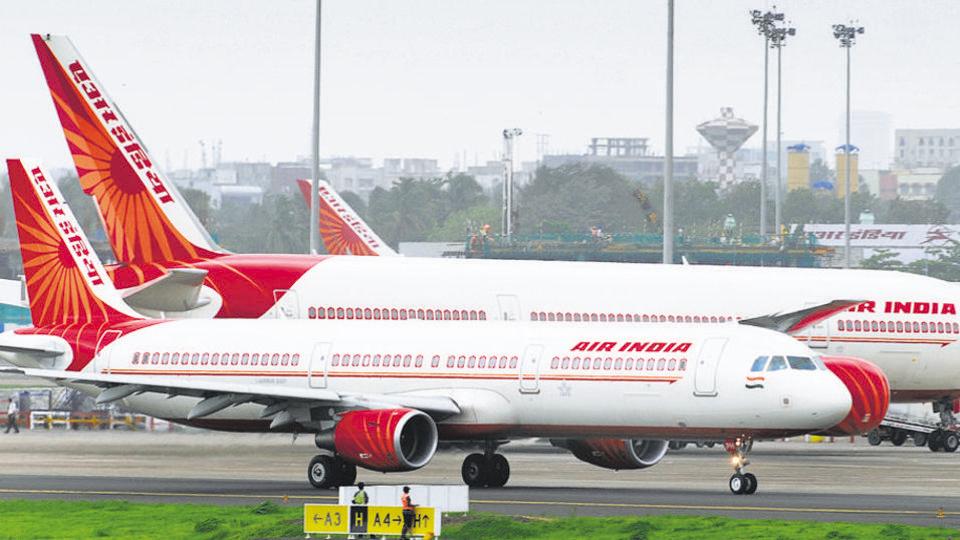
The country’s aviation regulator, the Directorate General of Civil Aviation (DGCA), has issued a circular seeking the interest of airlines interested in flying over the pole and Air India has expressed its interest .
Though many international airlines fly over the North Pole, no international airlines operating services from India currently use the route. And no Indian airlines has ever used it. Some international airlines flying from India to the US has previously used it, but they have since changed their route.
Flying the polar route saves time and fuel. An airline official said : “Flying over the polar route requires specially trained pilots as variation levels are very high (technical difficulties with respect to radiation and navigation). The route has fewer airports (for emergencies); moreover, it requires many permissions to fly this route. If an airline is saving a few minutes by flying over this route, then it is not practical.”
The San Francisco service is the longest route from India to the US. An Air India official said that the route will be applicable to only San Francisco as flight time to other direct destinations from polar region would increase the flying time instead of reducing it.
The Air India spokesperson was not available for comment, but an airline official familiar with the development said: “Pilots have certain flying hour restrictions while flying over the polar route. This route is not used by any of the Indian carriers because of certain challenges faced due to the weather conditions in the polar region.”
Currently the daily flight from New Delhi to San Francisco goes over Bangladesh, Myanmar, China and Japan before flying over the Pacific Ocean to enter the US. The new route will be over Kyrgyzstan, Kazakhstan, Russia, the Arctic Ocean, Canada and the US. The new route will save travel time for the non-stop flight by around 90 minutes -- from 17 hours to around 15.5 hours.
The current route is around 12,000km long and this is expected to come down to around 8,000km. Aviation experts said that the reduction in distance need not result in a proportionate reduction in time. “Weather conditions which include wind speed are different for these two different routes, hence it is not appropriate to calculate the difference in distance but the difference in time, to know the benefit of using polar route for the flight,” said a senior pilot for a domestic airline who asked not to be named.
Air India might start using the route by month end.
DGCA’s circular, issued on Thursday listed guidelines for airlines interested in the route. The circular stated that an airline has to designate a set of alternative airports, regardless of their distance from the planned route, so that one or more airports can be expected to be available (for landing) in a variety of adverse weather conditions. Airlines also have to create a recovery plan to take care of the safety of passengers and crew at the alternative airports. The circular adds that airlines have to keep cold weather anti-exposure suits on board each aircraft for pilots landing in extreme climatic conditions.


