
 E-Paper



Chinese infra push across Sikkim, Arunachal border raises a red flag in Delhi
China has been carrying out rapid military-infra upgrade across the Upper Subansiri district in Arunachal Pradesh including at least three new bridges, troop sheds and a new 66-kilometre road.

 Prefer HTon Google


When army chief General Manoj Mukund Naravane spoke about the continuing trust deficit with People’s Liberation Army after the East Ladakh stand-off, he was reflecting the ground situation along the 3,488 km Line of Actual Control (LAC) with China undertaking significant military infra upgrade in the Eastern sector.
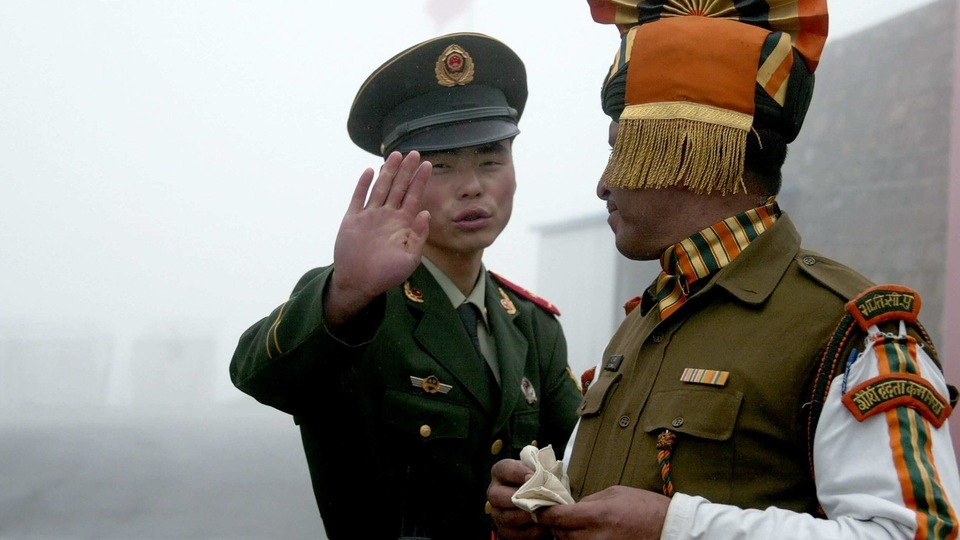
Even in the western sector, apart from the on-going Pangong Tso disengagement, there is no sign of reducing tension in the Gogra-Hot Springs area with PLA troops and weaponry amassed at Mabdo La across the LAC. It is the same situation in the Depsang bulge area and across the Daulet Beg Oldi sector even as the military commanders on both sides work towards a roadmap to restore status quo ante on East Ladakh LAC.
However, the concern of the national security planners is the rapid infrastructure upgrades that the PLA is undertaking across Sikkim and Arunachal Pradesh. There is evidence to show increased troop and equipment sheds and better road communication across Naku La in north Sikkim. The PLA simultaneously transgressed into the Naku La sector in May 2020 with both armies engaging in fisticuffs. The PLA created Naku La as a friction point around six years ago with the intention to convey that while Beijing recognises Sikkim as part of Indian territory, the border still is unresolved.
The other area of concern is the rapid military-infra upgrade across the Upper Subansiri district in Arunachal Pradesh with the PLA constructing at least three new bridges, a new 66-kilometre road and troop sheds in the area.
“It is a matter of concern as it shows that the PLA is focused on the LAC despite disengaging from Pangong Tso. It clearly shows that the Indian Army has to maintain vigil all along the unsettled border including the central sector across Uttarakhand,” said a senior official.
Although New Delhi and Beijing have continued discreet conversations between top officials on both sides, Indian diplomats and security officials believe that India will have to prepare strategies to deal with both aggressive and friendly China and cannot afford to let the guard down. China continues to play behind scenes in Nepal, Myanmar and Bangladesh after virtually snaring Pakistan and Sri Lanka in its debt trap under the garb of benign connectivity, a security official said.
The Chinese game plan goes beyond accessing Indian Ocean with security ramifications for Indian Navy by providing long sea legs to adversaries of India.


