E-Paper



G20 summit 2022: India’s views on Ukraine war help chart draft communiqué
G20 summit 2022: The Indian side’s approach to the Ukraine crisis – that “today’s era is not of war” – helped G20 negotiators finalise a draft communiqué.

 Prefer HTon Google


The Indian side’s approach to the Ukraine crisis – that “today’s era is not of war” – helped G20 negotiators finalise a draft communiqué after days of work on the consensus document to be issued at the conclusion of the summit in Bali, people familiar with the matter said on Tuesday.
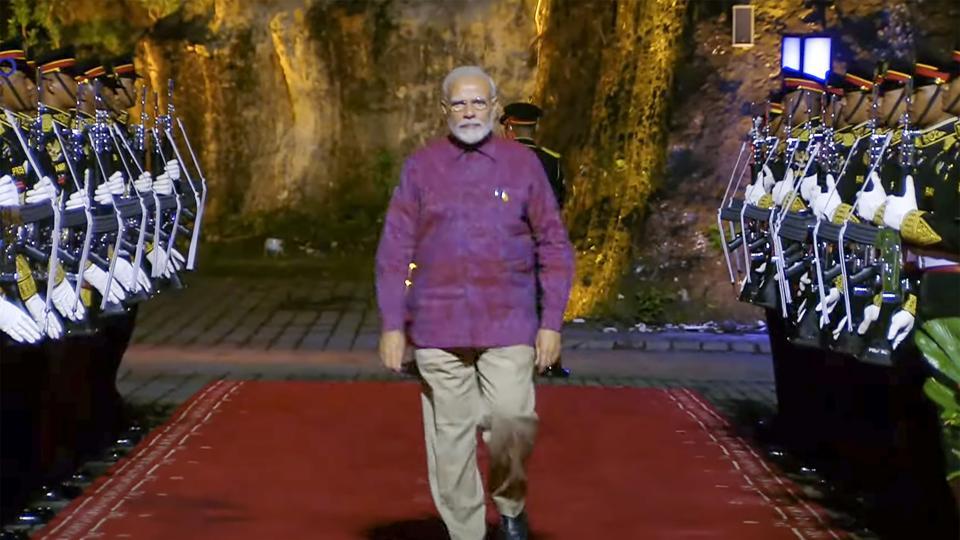
The draft communiqué was agreed on by diplomats late on Monday after a three-member Indian team led by Sherpa Amitabh Kant worked with Western countries, which were pushing to denounce Russia’s invasion of Ukraine, and other G20 members such as China that were backing Russia, to find common ground, the people said.
The Indian side suggested “textual changes” to the G20 communiqué, including suggestions from the prime minister, and these “found resonance during the negotiations”, the people said. One key suggestion was to couch the criticism of the Russian invasion in India’s stated position that “today’s era is not of war”.
These words were first used by Prime Minister Narendra Modi during a meeting with Russian President Vladimir Putin on the margins of the Shanghai Cooperation Organisation (SCO) Summit in Uzbekistan on September 16. Modi had nudged Putin to end the war while highlighting the problems of food and energy security being faced by developing countries.
The draft communiqué will still have to be endorsed by G20 leaders on Wednesday, the final day of the summit in Bali, the people said. Indonesian officials told the media on Tuesday that G20 teams were still working on the communiqué and they remained optimistic.
The draft also condemns threats to use nuclear weapons, the Financial Times reported. “The use or threat of use of nuclear weapons is inadmissible. The peaceful resolution of conflicts, efforts to address crises, as well as diplomacy and dialogue, are vital. Today’s era must not be of war,” the draft states, according to FT.
The draft further states that most G20 members “strongly condemned the war in Ukraine and stressed it is causing immense human suffering and exacerbating existing fragilities in the global economy”.
Before the draft was agreed on by G20 negotiators, concern had grown that there might not be a consensus outcome document at the conclusion of the summit. Diplomats of some G20 states said many members would be quite happy with a “chair’s statement”, a mechanism adopted by current G20 president Indonesia several times this year after meetings of the foreign, finance and climate ministers all failed to produce joint communiqués.