
 E-Paper



Government to relocate 16 families from Saragodu forest
The government will allocate 33 acres and 24 guntas of land in Haduoni, Balur hobli, Mudigere taluk. Each family will receive 2 acres for agricultural purposes, an additional four guntas to build homes.

 Prefer HTon Google


The cabinet has approved the relocation of 16 families living within the Saragodu reserve forest in Chikkamagaluru district’s Mudigere taluk to provide safer living conditions and reduce conflicts with wildlife, officials familiar with the matter said.
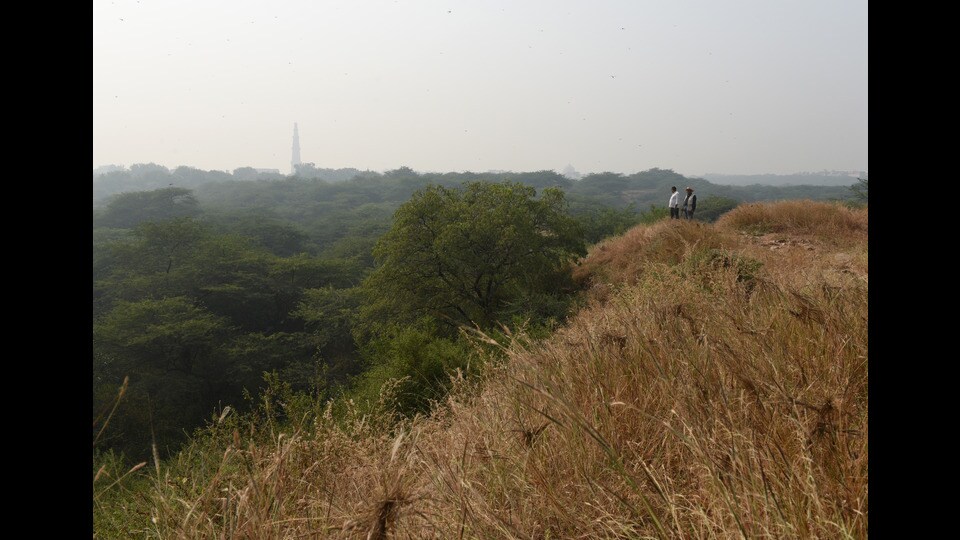
An official said that the cabinet took the decision on Monday to move 60 people of 16 families from forest settlements, where residents have long grappled with wildlife threats and a lack of basic infrastructure.
The official further said that the government will allocate 33 acres and 24 guntas of land in Haduoni, Balur hobli, Mudigere taluk. Each family will receive two acres for agricultural purposes and an additional four guntas to build homes.
Chikkamagaluru deputy conservator of forests (DCF) Ramesh Babu said the forest department had submitted the relocation proposal to higher authorities some time ago.
“However, two families had opposed the proposal and took the matter to court, delaying the process. According to forest laws, we cannot lay power lines, dig borewells for drinking water, or construct roads inside forest areas. Human presence impacts both people and wildlife. We will begin the relocation process as soon as we receive official orders,” he told HT.
This relocation effort follows a similar initiative in 2006, when several families from forested regions of Mudigere, including Manduligulihara and Byrigadde, were resettled.
In the present case, most of the families had accepted the move but 18 families, recognised as traditional forest dwellers for their presence before 1978, initially stayed behind. Now, 16 of these families have agreed to relocate, while two continue to resist, pursuing legal action to remain in the forest, officials said.
Residents of the forest have faced numerous hardships, including encounters with wild animals and poor access to essential services.
Though solar fencing was installed to reduce wildlife-related incidents, the lack of roads, schools, and medical facilities has made life difficult for people living in the region.
One of the locals, Venkaiah, expressed frustration with the challenges of forest life.
“It has been a terrible experience living without basic amenities. During medical emergencies, we cannot reach healthcare facilities in time. In the rainy season, our children have to walk two-three kilometres through the forest to reach school, making it especially difficult,” he said.


