
 E-Paper





Follow the latest breaking news, major developments and agenda-setting stories from India and around the world with the newsdesk at Hindustan Times. Operating round the clock, the desk brings together experienced editors, reporters and correspondents to deliver fast, accurate and contextual reporting across subjects that influence public policy, governance, business, society and international affairs. The HT News Desk covers politics, elections, government policies, the economy, business and markets, science and technology, the environment, law and order, infrastructure, education, climate issues and geopolitics, while closely tracking developments across states, institutions and global capitals. The team also leads coverage of major breaking news events, policy announcements, court proceedings, natural disasters, public emergencies and significant international developments. Reports published by the newsdesk are based on information gathered from reporters on the ground, official statements, government agencies, court records, regulatory filings, recognised institutions and other authoritative sources. Stories undergo editorial scrutiny and verification processes to ensure accuracy, fairness and relevance, and are updated as events evolve and additional information becomes available. Whether covering a key political decision in New Delhi, an economic policy shift affecting millions, a landmark court ruling or a major global event, the HT News Desk aims to provide readers with reliable, fact-based journalism that delivers not only the latest developments but also the context and analysis needed to understand their wider implications.
Himalayan viagra disappears in Uttarakhand snow
Heavy snowfall this year has forced villagers to call off the hunt for the Yarsagumba mushroo, also known as Himalayan viagra, and climb down from the higher reaches of Chamoli district in Uttarakhand


The heavy snowfall in the higher ranges of Himalayas earlier this week has disrupted the hunt for a prized aphrodisiac fungus popularly referred to as Himalayan viagra.
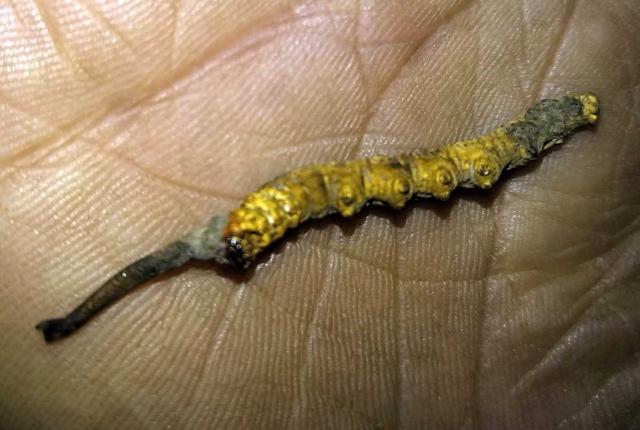
It’s the time of the year that the mushroom called ‘yarsagumba’ (Ophiocordyceps sinensis), also known locally as ‘keerajari’, appears in the meadows when the snow starts melting.
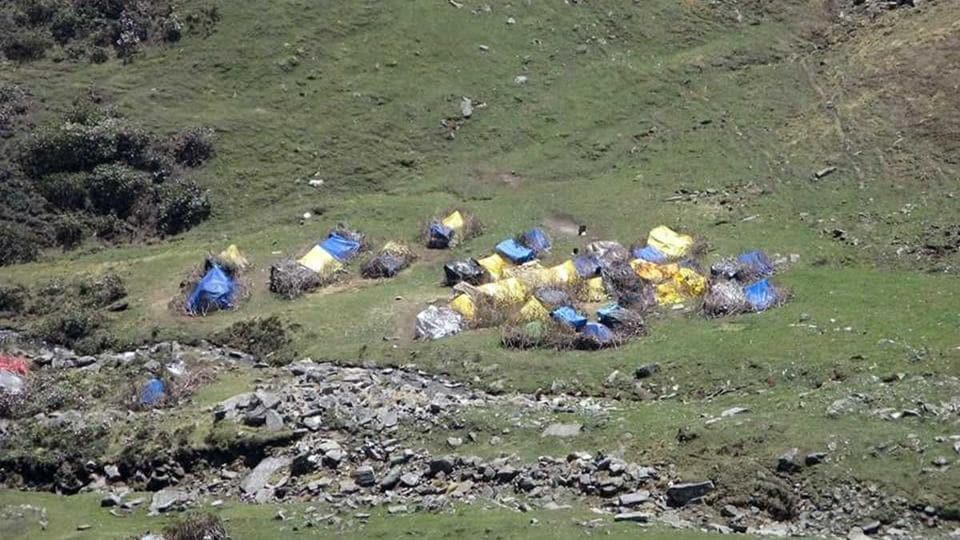
But the heavy snowfall this year has forced villagers to call off the hunt for yarsagumba and climb down from the higher reaches of Chamoli district in Uttarakhand. They will have to wait till the snow melts and that may leave only a handful days left in the Yarsagumba season.
“Couple of villagers left their rations in tents and came back to their respective villages because there is still 3 to 4 feett thick layer of snow in the higher ranges,” said Sanjay Kunwar, a trekker from a village called Baragaon. He added that the villagers would wait for another 10 to 15 days for the snow to melt.
There’s a lot at stake.
The mushroom, which has a long history of use in traditional Chinese medicine, fetches a price of ₹2 to 5 lakhs per kilogram or above locally, depending on quality. It plays a vital role in the local economy, that’s largely pastoral.
Usually, as the month of May approaches, villagers from Dasholi, Ghat, Urgam valley, Niti valley, Deval and Joshimath blocks of Chamoli district start start moving into the the higher ranges, armed with essentials and rations. They camp there for at least two months while hunting for the prized mushroom.
While this year’s harvest seems to be in jeopardy, there’s hope yet.
Devendra Singh, a social worker from Wan, the last village on the motorable road in Deval block of Chamoli district, said that the villagers who have returned from the higher ranges such as Bhagubasa, Shila samundar and Kelvavinayak, would go back again in couple of days.


