E-Paper



ICSSR approves 96 seminars nationwide to study GST 2.0 reforms
The selected proposals represent a diverse mix of institutions — 21 central universities, 17 state universities, 28 colleges, 27 private universities and three research institutes.

 Prefer HTon Google


The Indian Council of Social Science Research (ICSSR) has approved 96 seminars and conclaves across the country to examine next-generation Goods and Services Tax (GST 2.0) reforms and their socio-economic impact, including compliance challenges faced by Micro, Small, and Medium Enterprises (MSMEs) and start-ups, and the effects of the new two-slab structure on rural and urban livelihoods.
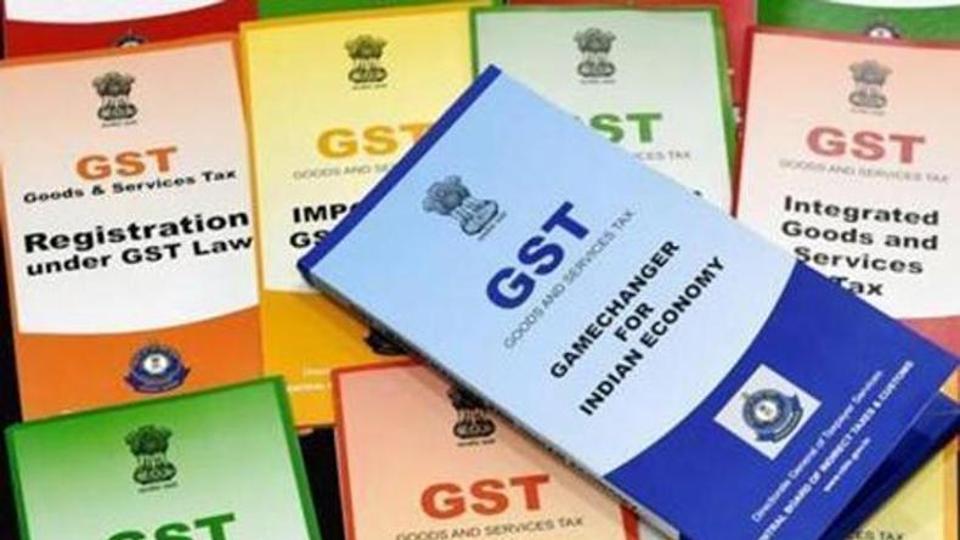
ICSSR, an autonomous body under the Union ministry of education, will provide financial assistance of up to ₹8 lakh per event to support institutions in organising these nationwide academic discussions and policy dialogues. Based on parameters such as objectives, concept design, resource persons, institutional capacity, thematic structure, budget justification and expected outcomes, the council selected 96 proposals from 595 applications received in response to its October 2025 call for national-level seminars, conferences and conclaves on GST 2.0 reforms.
Of the 96 recommended proposals, 37 seminars will be convened by women academicians and researchers. Convenors include professors, associate professors and senior administrators. The selected proposals represent a diverse mix of institutions — 21 central universities, 17 state universities, 28 colleges, 27 private universities and three research institutes — covering disciplines such as commerce, management, economics, law, tourism, finance and education.
The revamped GST system, which came into effect on September 22, reduced tax rates on nearly 375 items, ranging from everyday essentials such as toothpaste to consumer goods like television sets. The new two-tier structure of 5% and 18%, along with a special 40% rate on ultra-luxury items, replaced the earlier four-slab framework of 5%, 12%, 18% and 28% that also included a compensation cess on luxury and sin goods.
According to the detailed list of recommended proposals, the seminars will focus on sectoral transformation, MSME and entrepreneurship ecosystems, and the federal and socio-economic dimensions of GST reforms. Themes include agriculture, manufacturing, services, healthcare, insurance, tourism, rural industries and e-commerce, with special attention to North-East India and community-specific studies such as weavers and agro-based enterprises.
The conclaves will also deliberate on digitalisation, compliance, tax rationalisation and inclusive growth, alongside legal, governance and fiscal issues, including state finances and federal balance under the new GST regime.
ICSSR member secretary Dhananjay Singh said the nationwide events are aimed at encouraging youth and researchers to analyse GST 2.0’s impact on consumption patterns, sectoral outcomes and economic resilience. “Policy briefs and outcome reports of the events will be compiled and published by ICSSR,” he said.
Manoj Mishra, partner and tax controversy management leader at Grant Thornton Bharat, described the initiative as timely and strategically significant.
“Greater consumer awareness of GST rights will further promote transparency and ensure that tax benefits are fairly passed on. The dialogues in ICSSR-supported seminars can bridge policy intent with ground-level implementation. In the long run, a compliance-confident MSME sector will strengthen formalisation, deepen the tax base and reinforce GST’s role as a catalyst in India’s journey toward Viksit Bharat 2047,” he said.