
 E-Paper



Buffer zone: Why we’re obsessed with all things cosy, comfy, soft and safe

 Prefer HTon Google


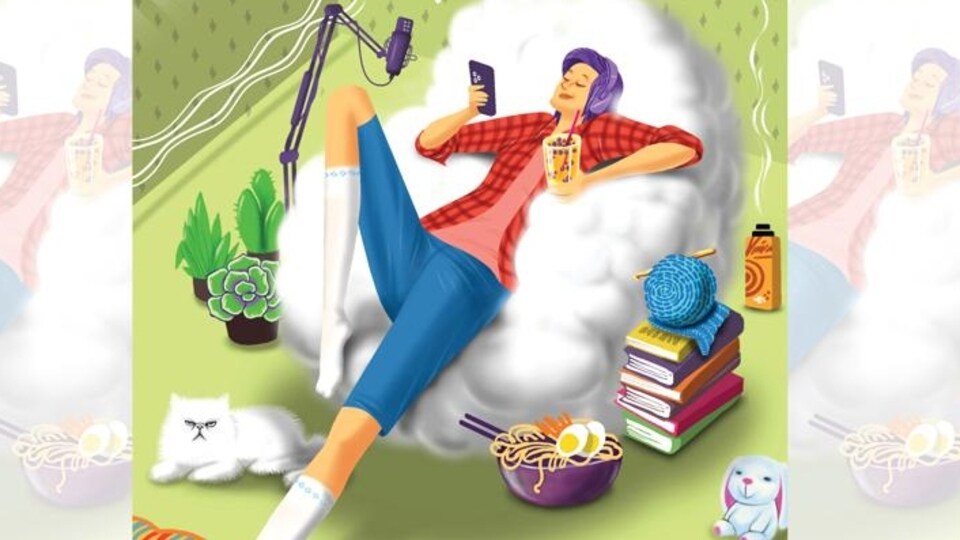
The world, it seems, is in need of a permanent hug. We’ve sunk into ramen bowls, plushies, crochet and lo-fi music. Time to soft launch your inner grandparent
Have you noticed it too? All around us, the world’s getting subtly softer at the edges. Harsh shop lights are now a milky off-white. Bouncy Korean buns, four-cheese pasta, ramen bowls and pies are having a moment. Everyone’s moved from their pandemic jammies – to equally chill flannel co-ords, fleece hoodies, sneakers and stretchy trousers. Bookstores globally are bouncing back.
Celebrities are filmed clutching plushies as they head to the airport. We’re championing the granny life: Breadmaking, crochet, journalling, staying in on Saturday night. There are succulents in the garden, lo-fi on the playlist, and emotional-support Stanley flasks on the wishlist. We’re googling “slow travel” for summer. Makeup looks are soft and glowy. Mocha Mousse is the colour of the year. The fragrance of this generation is… vanilla.
The world, it seems, is in need of a permanent hug. Can you blame us? The planet is warming. Global politics is a mess. The bot overlords are getting smarter. The hustle isn’t paying off at work. The swipe isn’t getting us anywhere on Tinder. So, we’re retreating, more and more, into comfort zones.
Here, then, is the comfort list for 2025 – what’s working, what’s no longer cutting it and what you probably haven’t tried yet. Sink in.
Décor
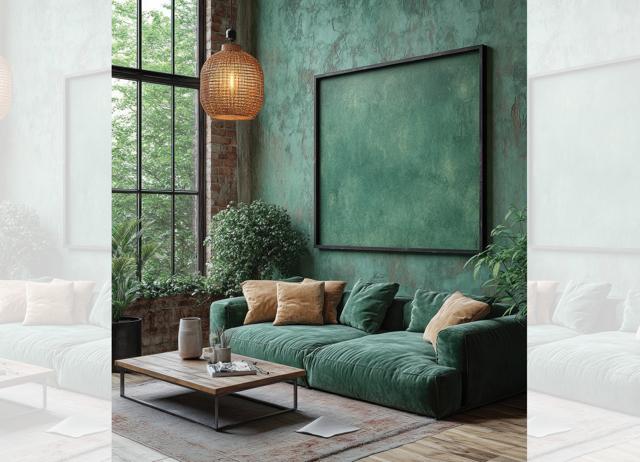
We’re over millennial pink. We’ve moved past crystal chandeliers, rich upholstery and fussy crockery. And because we’re all about staying in and escaping the world, interior trends are serious about relaxation. “What people then want is an uncluttered, calm space,” says content creator Abhinav Yadav (@_createyourtaste_). The buzzword: Japandi, a Japanese-Scandinavian hybrid style that uses pastels and clean lines – no sharp corners, no complicated textures. Think vases, coffee tables, lamps, flatware and chairs in earthy hues and simple shapes. Think soft, soothing vibes.
It’s India. We still love colour. But we’re now colour drenching, using the same shade for walls, ceilings and décor, to make a nook look spacious and clean. “In this cluttered world, anything that makes you feel that you have more room to breathe is a comfort investment,” Yadav says. Floor pillows are a thing. Everyone wants an L-shaped sofa to park themselves in the corner. In the garden, prickly cacti are giving way to plump succulents, which are just as easy to keep alive.
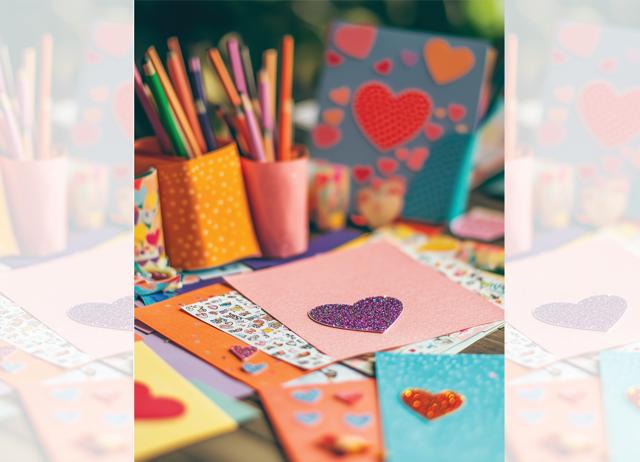
The one comfort hack to rule them all: Making or repairing something yourself. “Putting together something feels like an accomplishment,” says Yadav. It feels more real, more satisfying in a world of 10-minute deliveries and disposable materials. On Instagram, Yadav has been offering hacks to restore old furniture. Rug-making classes are running full in Gurugram. Upcyclers are the rock stars of our time. Who knew DIY would keep us sane?
Music
No one’s headbanging. Hip-hop is just diss tracks. Pop-harmonies seem fake. The comfort genre of the moment is chillhop, says musician Anuraag Dhoundeyal. Streaming services such as Spotify and Amazon Music offer curated playlists of laidback, mellow instrumental music that blends jazz, hip-hop, electronica and calming pop melodies. They’re perfect for studying, working or creating a relaxed vibe. “As the name suggests, chillhop slows you down and sets you in the mood to chill.”
No bandwidth for a new genre? Consider listening to a slowed-down or reverbed version of your favourite songs, but the same or similar pitch, recommends Dhoundeyal. “Many listeners find that it adds emotional depth to a song.”
A big trend for home and work: A long ASMR track playing through your AirPods all day. Mixed into the usual tracks (waves, whales, birdcalls, rain) are everyday safe sounds – dings of the coffee machine, paper rustling, crockery being handled, the quiet jingle of housekeys. “These instantly transport you to a quiet, calm space even if you are in a chaotic office,” says Dhoundeyal. It’s like a stress ball, but for the ear.
Food
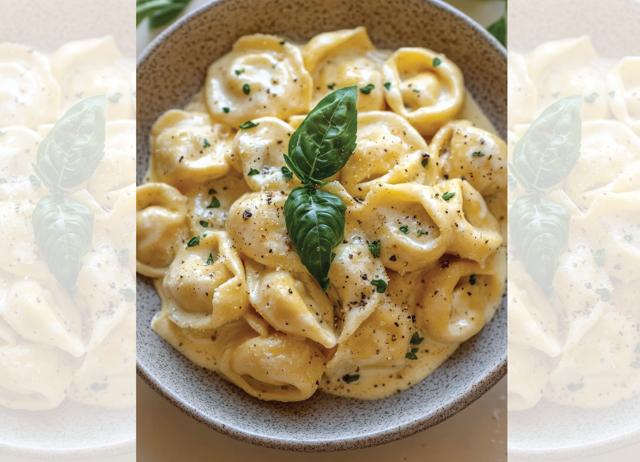
Khichdi can only do so much. Hussain Shahzad, executive chef of Hunger Inc (which runs The Bombay Canteen and O Pedro among others), says that Indians pick from cuisines around the world for comfort foods. Today’s special: Ramen. “There’s something inherently soothing about eating out of a bowl. It just feels cosy,” he says. Plus, you get to slurp without the shame and there’s less to wash up after.
Nitin Chandra Phani, executive chef of The Tamara Kodai hotel in Kodaikanal says that we emerged from the lockdowns with a new love for salads. “People today want something simple that nourishes them, and is easy to make.” The hotel recently held an in-house contest for the best comfort food recipe. The winner: A salad of lettuce, onions, tomatoes, almonds, walnuts and apple, dressed with balsamic vinegar, salt and pepper.
The India that grew up on biscuits has traded up. “Cookies are a huge comfort now. They’re versatile, familiar, and universally loved,” says Shahzad. “A warm, gooey cookie feels like a hug.”

Books
After JK Rowling’s unhinged outbursts, even Harry Potter isn’t landing the way it used to. Thankfully, physical book sales are picking up again globally. Romantasy and cottage core genres are being rediscovered. Dystopian fiction is losing ground to the more optimistic solarpunk. Writer and podcaster Anirudh Kanisetti recommends Becky Chambers’s solarpunk novella, A Psalm for the Wild-Built. “It’s a comforting view of what humanity can achieve,” he says.The author makes even herbal tea seem like a thing of comfort.
Cosy fiction – stories in idyllic settings, featuring close-knit communities – are a BookTok favourite. Head over to our Listicle in this issue for 10 great reads, recommended by Kritika Kapoor.
Mental health
No one thinks you’re soft in the head just because you want your mind to take it easy. Joanne Johnson, therapist at Kaha Mind, says that preventive mental-healthcare is catching on with young people. “We know that feeling exhausted all the time is not a good thing. So, we’re finding ways to not get there in the first place,” she says.
Writing is helping. For those who struggle to find the words, there are now action-based journals with prompts: What is that one expectation you can stop pressurising yourself to meet? What one thing can you drop today to make room for self-care? What 10 things are you grateful for right now?
Travel
Mum’s generation booked package tours, stuffing every hour with activities. Dad backpacked, bunked at hostels, endured bumpy bus rides because they were cheaper. In a work-from-anywhere era, travel shouldn’t cause stress or bankruptcy. Longer stays, slower tours, sustainable practices and immersive experiences are the stuff of comfort travel today. Off-season trips are popular (Who wants crowds?). Smaller destinations are where everyone’s unwinding.
Travel content creator Simran Malhotra picks Bir in Himachal Pradesh. It’s as beautiful, but less crowded than Manali. She also recommends Gokarna in Karnataka for the relaxed beach holiday that Goa has long stopped delivering.
Beauty
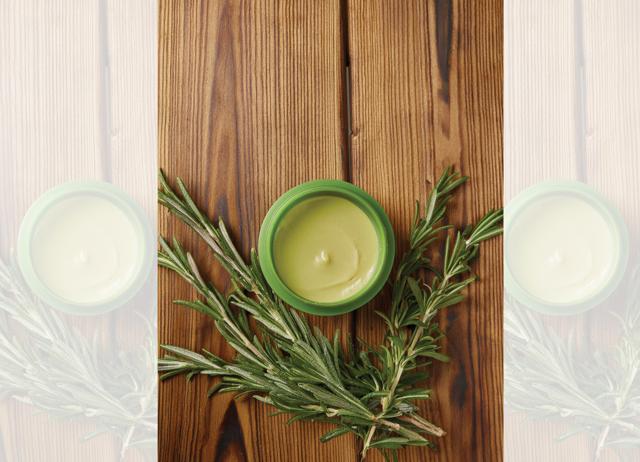
Perfection is pointless – even beauty is celebrating scars, frizz and flaws. Beauty editor Shweta Vepa Vyas says that multi-step Korean beauty routines are being abandoned, even by Koreans. The focus is on hydration and looking like the best version of yourself.
Gloss is sticky, but tinted lip oils are like a hug in a bottle, says Nabeel Kadri, co-founder of makeup brand Hyue. They also feel lighter and softer than lipsticks. Balm-textured blushes are scoring over pressed powders. Vyas recommends sunscreen sticks, which are “easy to apply and carry along.”
Fashion
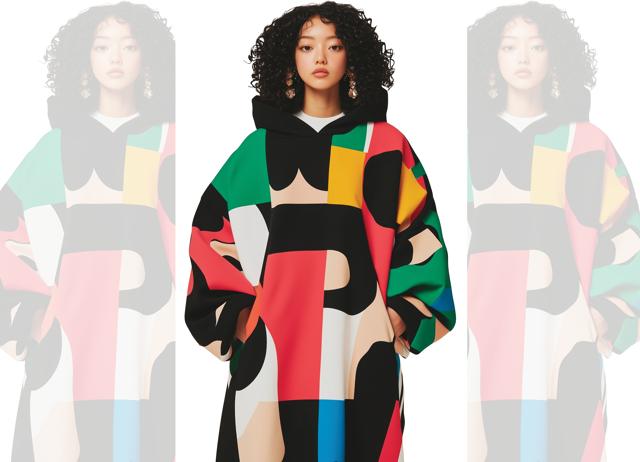
They tried to reintroduce low-rise jeans. They failed. They tried to bring back structured form-fitting clothes. We held on to our comfy faves. Track pants now have formal versions. Oversized hoodies have returned. Even bridalwear – that last bastion of sartorial discomfort – now includes soft, light breathable fabrics and stretchy styles. “People no longer want anything that will just sit in their wardrobes after one wear,” says fashion designer Neeta Lulla.
Co-ord sets are here to stay – and to mix and match. Tufted and duffel-style handbags add a huggable quality that we didn’t know we needed.
Take it all in, slowly. Vanilla-based fragrances have been enjoying a revival. “Its soft and fuzzy notes are very comforting,” says Sachi Parekh, founder of the fragrance brand Meyander. For those who must take on the world outside, it’s a whiff of home.
From HT Brunch, February 22, 2025
Follow us on www.instagram.com/htbrunch


