
 E-Paper



Country Western fails: Can Hollywood move past desi stereotypes?

 Prefer HTon Google


Indian talent wins Oscars. So why does Hollywood still see us through the same old clichés when it tells Asian stories?
What does India look like inside a White man’s head? A land of tired tropes: Sleepy small towns that hide murderous, incestuous secrets; a spunky village belle; sloppy cops; a gruff tapori; general lawlessness and everyone dancing to that one earworm of a bhangra tune. Dev Patel isn’t White. But the UK-born actor’s directorial debut, Monkey Man, still ends up looking like the India that only exists on screen.
Monkey Man is being described as a John Wick-style action thriller, inspired by the legend of Hanuman. Set in Mumbai, it follows a man out to avenge the murder of his mother at the hands of unscrupulous political leaders, who prey on the poor and powerless. Sounds good. But why default to a riff from Panjabi MC’s Mundian Tu Bachke Rahi (2003) in 2024 in the trailer?
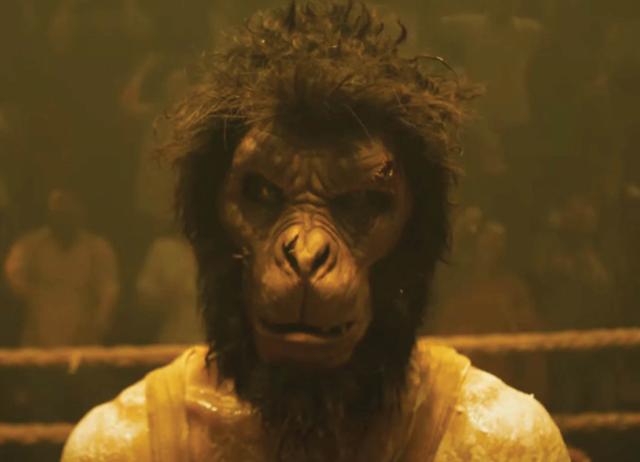
Bedatri D Choudhury, a New York-based film critic and editor, says it’s a lazy shortcut: “For global audiences, you play that bit of music and everyone knows you are talking of some idea of India”. She adds that trailers typically include the strongest stereotypes for better recognition. “It gives you all the ‘hits’ of what people think Indian villages look like,” she says.
Here’s where we have encountered the biggest desi tropes in international films and shows over the last few years.
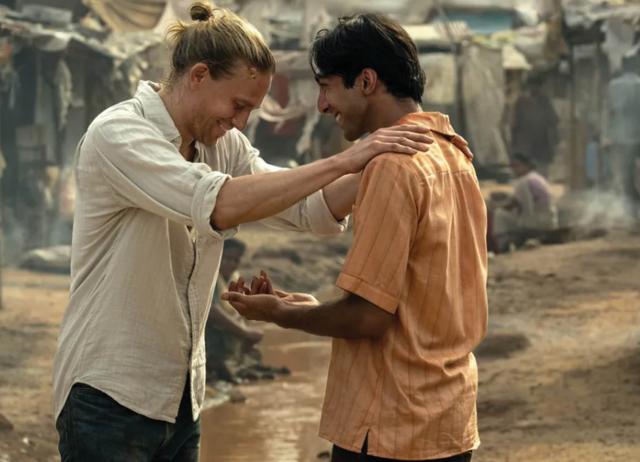
Shantaram (2022). Gregory David Roberts 2003 bestseller was originally slated to be a feature film. The 12-part Apple TV Plus series, directed by Bharat Nullari, is a pastiche of a squalid 1980s Bombay, waiting for a White man to rescue it from its dusty existence. The India on screen is poor, corrupt, but it’s where freedom can be found while living with slum dwellers and getting into bed with the mafia. Even the dialogues refuse to try hard after a point: “Poverty looks good on you,” is an actual line on the show.
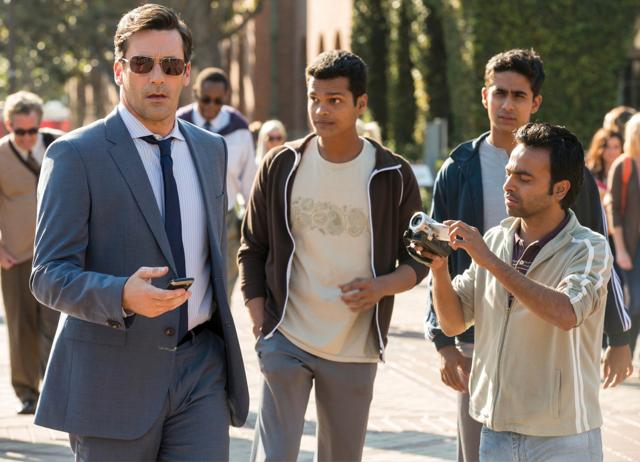
Million Dollar Arm (2014). There’s some truth here – the film is based on Indian baseball pitchers Rinku Singh and Dinesh Patel, whose lives change when they are discovered by sports agent JB Bernstein after winning a reality-show competition. But as with Slumdog Millionaire (2008), it depicts the same old India: Everyone lives on the streets, dresses in bright and jarring colours, burns incense and meditates all day. Shaky hand-held cameras capture shots of kids running around and old men sitting wrapped in shawls – how else to show that visitors are overwhelmed?
Beyond the Clouds (2017). Ishaan Khatter’s much-hyped debut, directed by Iranian filmmaker Majid Majidi, aims to showcase the hustler spirit of Mumbai’s underclass, via the tale of a boy trying to get his sister released from prison. It ends up depicting the harshsness of the city in soft focus, painting scenes in sooty blacks, adding watercolour skylines, flamingo-lined mudflats, deaths at picturesque Dhobi Ghat, and souvenir-shop kitsch. Indian cities, apparently, are nothing more than an enchanting slum.
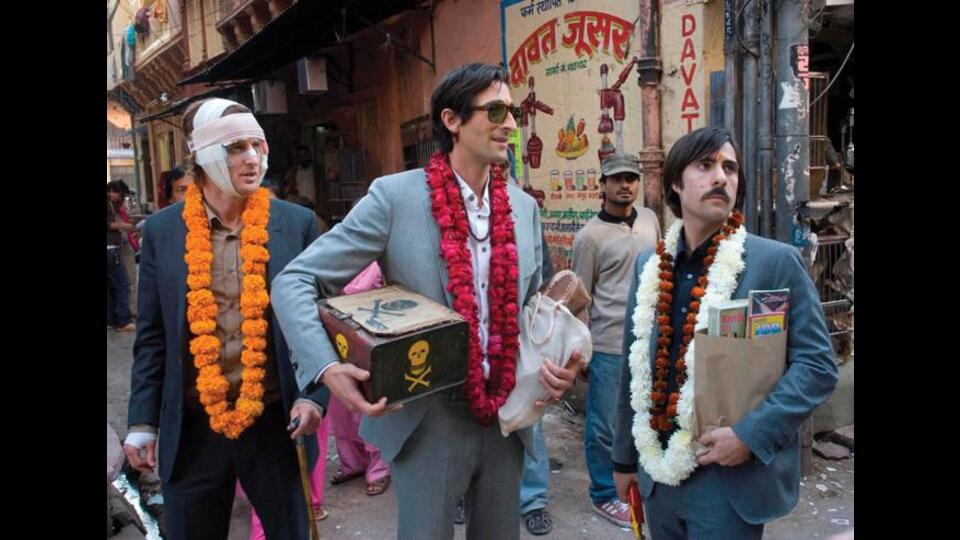
The Darjeeling Limited (2007). Even Wes Anderson can’t break free of the India clichés. The tale of three brothers on a spiritual journey across India, mostly by train, is set in India but is largely unaffected by it. The whole country is reduced to a backdrop for theraputic effect. The train’s luggage compartment has goats. The sexy train attendant draws bindis on the brothers’ foreheads. Rajasthan’s street markets are chaotic. The shoeshine boy runs off with the expensive shoes. There’s some kind of peacock feather ceremony. The local food? “It smells… spicy,” says one brother. The poor risk death to cross rivers. It’s not a filmmaking style, Wes. It’s racist.


