
 E-Paper



Cracking your neck when it feels stiff? Neurologist shares 9 signs when it can become serious

 Prefer HTon Google


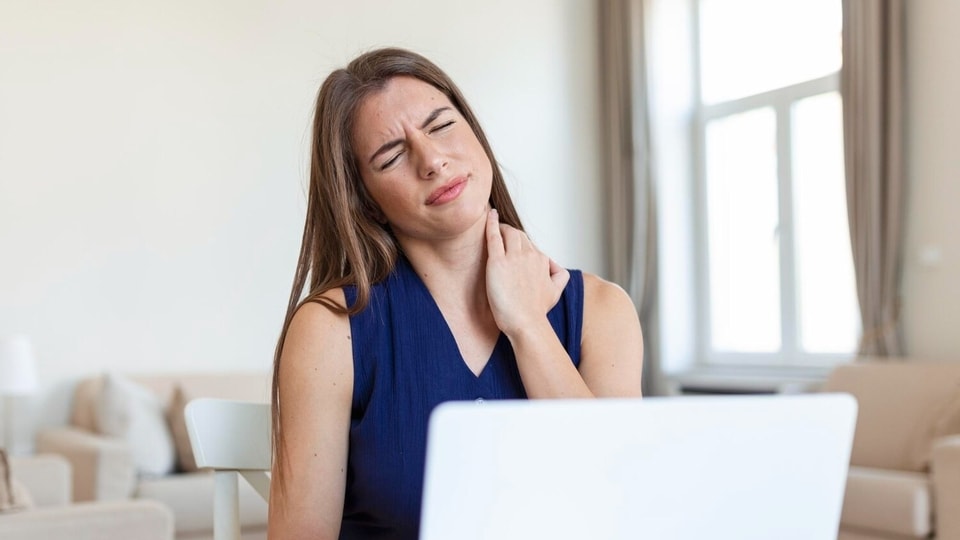
Neck cracking should not become a habit, as it can sometimes lead to a stroke! Learn from a specialist how you can identify serious signs.
As you sit at your desk for hours, your neck may begin to feel sore and stiff. You may instinctively twist or tilt it until you hear a satisfying pop, which can provide some relief. However, this relief is only temporary, and repeatedly forcing your neck to twist or tilt may increase the risk of serious complications. You may feel as though you are finally letting go of the built-up tension by manoeuvring the neck into an odd position, but still exercising precautions is essential.
ALSO READ: Working from bed? Orthopaedic surgeon warns against common WFH habits causing neck and back pain
A neurologist warned about this. Dr Sadique Pathan, consultant neurologist at Sahyadri Super Speciality Hospital, Hadapsar, Pune, a network hospital of Manipal Hospital, urged caution about cracking necks.
Dr Pathan recalled the case of a 35-year-old professional who developed sudden dizziness after cracking his neck. Initially, he ignored it, but later it became serious enough to require neurological evaluation.
Introducing the difference between an occasional habit and a potentially risky pattern, Dr Pathan said, “Occasional neck cracking is normally harmless; we warn that regular or vigorous self-manipulation of the neck could cover up an underlying disease or, on rare occasions, lead to catastrophic problems. Understanding when a stiff neck is merely muscular tiredness and when it requires medical attention is important.”
The main distinction is that neck cracking should not become a habit. Doing it occasionally may be harmless, but if it becomes a recurring impulse to relieve a constant stiffness, there may be an unresolved underlying issue rather than ordinary muscular fatigue.
The neurologist answered some important questions associated with neck cracking.
Why does the neck crack in the first place?
What is the real reason behind the urge to crack the neck? Why do you develop this habit?
Dr Pathan acknowledged the urge could rise from everyday habits that place sustained pressure on the neck. He said, "Many people develop this habit due to prolonged sitting, bad posture, laptop use, and prolonged phone use, all of which put continuous stress on the cervical spine's supporting muscles.”
Cracking, however, does not solve the root problems. The neurologist agreed that, sure, it may provide immediate comfort, but it does not address the underlying muscle imbalance or joint dysfunction that causes the stiffness.
How can neck problems affect the brain?
The neck is connected to your brain, which is why any awkward position may carry its own neurological risks.
“The upper spinal cord and the vertebral arteries, which provide blood to the brainstem and cerebellum, are in the neck, which serves as more than simply a head support. These areas regulate movement, balance, coordination, and several essential bodily processes,” Dr Pathan described how the neck is connected to the brain, suggesting that the neck is a very sensitive passageway.
A neck problem, therefore, may indicate issues with the spinal cord, the brain's blood supply, balance, movement, or coordination, rather than simply local pain or stiffness.
What are the health risks of forceful cracking?
When neck cracking becomes a habit, you may feel compelled to do it even without any stiffness. The neurologist strongly cautioned against this, as repetitive or forceful manipulation may aggravate an undetected cervical spine disorder or irritate the nerves.
What is the severity of the consequences? Dr Pathan described, “In certain cases, it could end up in a tear in the artery wall called a vertebral artery dissection, which might lower blood supply to the brain and raise the risk of stroke.”
In fact, if you have neck pain, do not assume that a twist or tilt will fix it. As the expert added, neck pain accompanied by dizziness may signal cervical myelopathy (compression of the spinal cord), cervical radiculopathy (pinched nerve), and cervicogenic dizziness. Twisting or tilting your neck further without understanding the cause of the pain may aggravate these conditions.
The expert also mentioned that dizziness is often assumed to be caused by an ear problem. However, it may also be linked to the brain, spinal cord, or neck, as all these structures work together to maintain balance. Persistent dizziness after neck movement should always be assessed to rule out neurological causes.
When can neck cracking become a health warning?

Neck cracking may not be dangerous if you do it occasionally, but if it is accompanied by red-flag symptoms, Dr Pathan advises seeking urgent medical attention. Here are some of the signs he listed:
- Sudden dizziness or vertigo
- Severe or unusual headache
- Blurred or double vision
- Slurred speech
- Difficulty walking or loss of balance
- Weakness or numbness in the arms or legs
- Tingling in the fingers that does not improve
- Loss of coordination or difficulty using the hands
- Difficulty swallowing or facial numbness
He flagged dizziness as one of the most important warning signs. It is often mistaken for stress or exhaustion, but if you experience dizziness after moving your neck, it is best to get medical help.
More about the expert: Dr Sadique Pathan has over 14 years of experience, and his areas of expertise include stroke and neurorehabilitation, epilepsy and seizure management, migraine and chronic headaches, parkinson’s disease and movement disorders, neuropathy and neuromuscular disorders, multiple sclerosis, memory loss and cognitive disorders, vertigo, dizziness and gait imbalance.
Note to readers: This article is for informational purposes only and not a substitute for professional medical advice. Always seek the advice of your doctor with any questions about a medical condition.


Catch your daily dose of Fashion, Taylor Swift, Health, Festivals, Travel, Relationship, Recipe and all the other Latest Lifestyle News on Hindustan Times Website and APPs.


