E-Paper



Critical mass: How to break down a show or a film the way the critics do
What to focus on, what to avoid. When to think outside the box and how to connect the dots. Aka, the world’s shortest film-appreciation class

 Prefer HTon Google


Begin at the end.
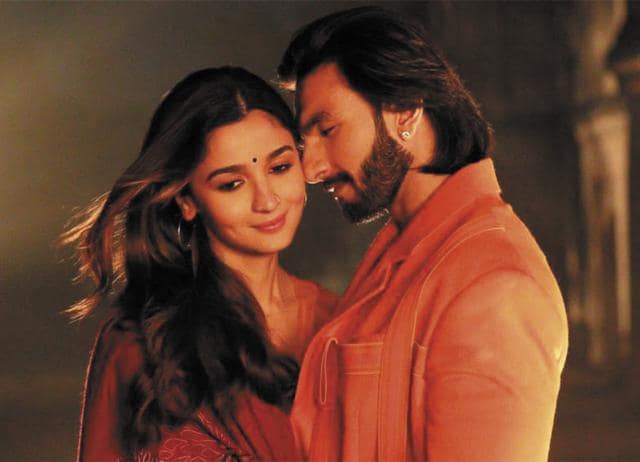
Think about what the intention of the movie or show was, and whether it was successful. “This comes right at the end, when you’re done with watching the film or show,” says Tyagi. “Some movies are made only to entertain viewers; some want to say something more,” she says. “Rocky Aur Rani Ki Prem Kahaani was created to entertain, but the film commented on the patriarchy, joint-family values, and how things have changed. A horror movie like Tumbbad offered more than scares.”

Check the connection.
Any work on screen, regardless of genre and length, should engage your attention. Of course, this varies depending on the individual, and how much attention they invested. But check how hard viewers are expected to work to enjoy the story, and if that attention is rewarded. “Wes Anderson’s Asteroid City is very unapproachable; you won’t get into the film right away,” says Tyagi. “Does that mean it’s a bad film? No.” It just demands more from the viewer. Barbie demands less. “They’re both good films. You’re just evaluating them differently. For me, Asteroid City did not work on the first viewing, it worked on the second.”
Think small.
Most films and episodes are built around a few key scenes. Monkey D Luffy discovers he’s stretchy in One Piece; Samantha Prabhu’s Raji takes down her molester in The Family Man, the Stark family was almost wiped out at the Red Wedding in Game of Thrones. Of course, everyone brought their A-game to the set. But consider how performers fare in the smaller scenes too. “When Ranveer Singh did Cirkus, I asked myself, ‘Is he actually convinced that he’s making a good film while he’s doing this?’” says Tyagi. “His conviction is otherwise always visible in every other character he’s played.”
Thread it up.
How a character starts out and where they end up is a good indicator of how well a tale has been told. “Kabir Singh started and ended pretty much at the same spot – as someone who has it all,” says Tyagi. “There’s no repentance. All is forgotten, forgiven. He wins,” Tyagi says. Why bother following a character who remains unchanged by the circumstances of a story? In Succession, on the other hand, every character is changed by the endless scramble for corporate control. “They’re developing, reaping the after-effects of their own actions, good or bad. It’s so satisfying to watch.”
Hatch the plot.
How does a work, any work, represent the place and time in which it was made? Sure, Lord of the Rings: The Rings of Power benefits from better special effects than the 2000s LOTR movies. But does the storytelling suit a 2022 viewing? Think about what the filmmakers were hoping to get across and whether it works. Examine how they’re changing old tropes, if the violence is stylised but unnecessary, and what’s left off-camera. “Also consider the political climate, the conversation over key issues,” says Tyagi. It’s why Jawan won the appreciation it has. “It’s hardly the best film ever made. But it ends with a message that says vote and vote carefully and it’s come a few months before the general elections. It’s reminding people that cinema is not just entertainment.”