
 E-Paper



India’s café scene turns 25: Coffee is just the sidekick now

 Prefer HTon Google


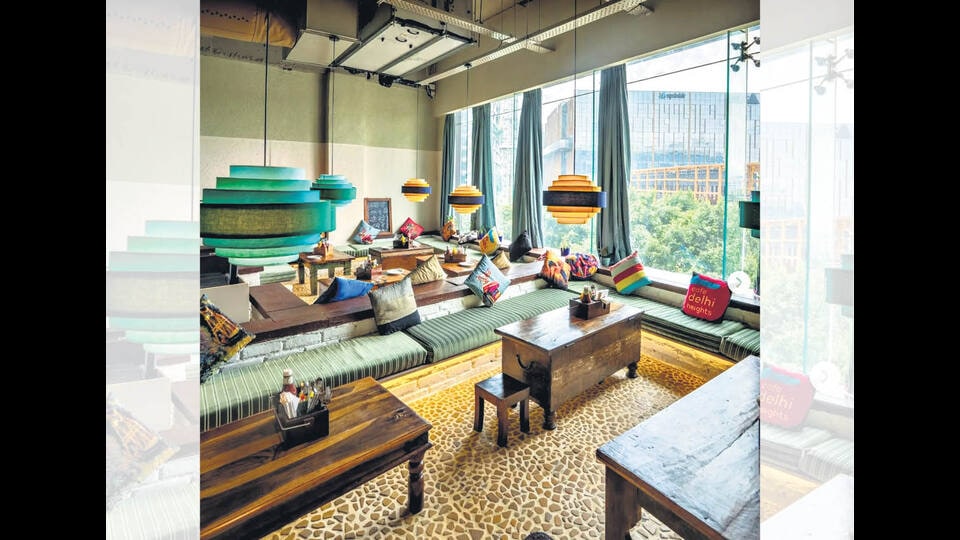
Cafes are focussing on single-origin, homegrown beans. There’s a story behind the decor and every item on the menu. See what’s in, what’s out and what’s brewing these days
To know how far India’s café culture has come, just pop into your local Barista. This, roughly, is where it all began, in the year 2000. Young people in big cities had satellite TV. They’d watched Chandler, Phoebe and the Friends gang chill at Central Perk. So, when something similar opened locally, there were queues, crowds and much chatter on how to pronounce espresso. (Ess-press-oh, not Ex-press-oh? Oh!)
Let’s zip through the quarter-century that followed. Major franchises got our attention (Hello, Costa Coffee and Di Bella; bye-bye Gloria Jean’s, Le Pain What-idien?). Cafés dotted every al fresco nook. Cappuccino came in huge mugs. We ordered off chalkboard menus. At homegrown chains such as Mocha, the coffee was good, the service slow and all the furniture was on sale. We developed preferences: Flat white, dark roast, doppio, soymilk-decaf, cold brew. And Barista outlets, eventually began selling chips and nutritional supplements alongside their coffee.
So, what does it take to run a cool café? Exotic brews alone won’t do it; there must be Wi-Fi too. Chalkboard specials are cringe; but the food can’t be blah. See what’s brewing.

Magic beans
Even a decade ago, a trendy café was one that would serve a Colombian roast, a Vietnamese coffee, something in a cafetière à piston, and a Balinese brew. Now, the focus is firmly on single-origin, homegrown beans, and a story behind every item on the menu. “Cafés that celebrate hyper-local sourcing and farm-to-cup transparency resonate,” says Aditi Dugar, founder of Araku Café.
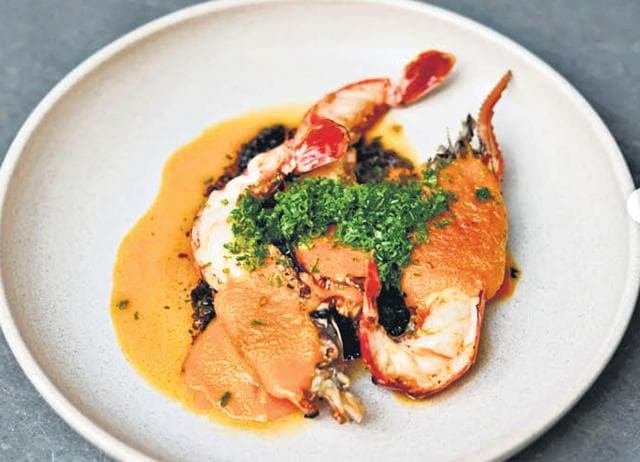
At Subko Coffee Roasters in Mumbai, co-founder Rahul Reddy sources beans from niche plantations in the Araku Valley in Andhra Pradesh and Chikmagalur in Karnataka. Subko also serves a mushroom quiche with thecha and dill – hardly the stuff of Central Perk or foreign franchises. “A profound connection to regional ingredients and heritage has become essential,” he admits.
Menus can’t be too long – but they must have a bit of everything. “The moment you commit to a specific cuisine, you risk moving into fine-dining or luxury territory,” says Vikrant Batra, co-founder of Café Delhi Heights. “A multi-cuisine menu automatically makes a café a comfort zone for everyone.” Shuli Ghosh, who runs Kolkata’s Sienna Café, banks on dressing up regional flavours too. Their weekly specials include black-rice salad, fried chicken, and gola bhaat bowls. A special Bengal to Table menu has such hybrids as Bhetki Ala Kiev, Golda Chingri and Mocha Salad. “They’re familiar yet comforting,” Ghosh says.
Look book
For much of the 2010s, standalone cafés looked like they’d been shipped in, brick by brick, from Santorini or Tuscany. Post pandemic ventures and expansions have thankfully more imagination.
“Earlier, there was no clear direction—everything felt mixed up,” says Rajesh Ojha, co-founder of Café Lota in Delhi. “Every café now exudes individuality and there is thematic integrity. A mountain café might feature earthy tones, textured walls, and art inspired by the highlands. The design becomes part of the experience.” Lota’s own inspiration is a crafts museum, featuring paintings that reflect regional art traditions from across India.
Subko’s cafés in Mumbai aim to showcase how they do things differently. Reddy says they deliberately chose unconventional locations — defunct mills, old villas. And inside, a glass wall divides the kitchen from the seating so that customers can watch the croissants being made as they sip their cortado. There are chocolate-making stations, where the cracking, winnowing, refining, tempering is done. “Every detail invites curiosity and connection,” says Reddy.
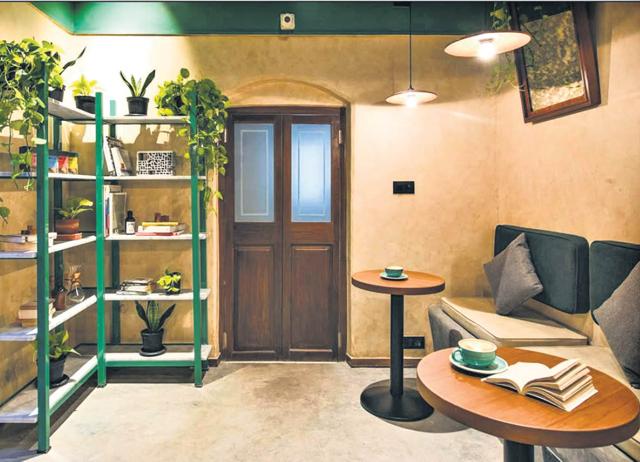
Table manners
Of course, a café must look good on Instagram. But that’s not why guests will linger or return. “The challenge is to compel them to order more — be it dessert, a second cup of coffee, even merchandise,” says Dugal. And that only happens when the café as a whole passes the vibe check. “Once people associate a café with comfort and mental peace, success follows,” says Batra.
Parul Pratap, founder of Music and Mountains in Delhi, says that trendy places tend to invest heavily in the menu and décor but forget that real people are there to have real experiences. “Guests are curious about the origins of our beans, the inspiration behind a dish, or the journey of the chef who created it,” she says. Untrained staff, even mispronouncing macchiato, can ruin the mood in a moment. But “small, meaningful gestures such as surprising a guest with a complimentary dessert on a special occasion can elevate a routine visit into a memorable experience.”
The true test is a few months in, after the influencers have posted their first-look videos, after the celebrities have tagged their #NewFav, and paying customers troop in. “If a café feels too premium or unapproachable, it struggles to resonate,” Batra says. It’s why so many new ventures are doing slow launches. Ojha says that for every new café outlet they open, they spend the first month just road-testing. “We get friends, their friends, and acquaintances to experience it,” he says. Not only does this iron out the kinks and gets the staff prepared, but “that initial effort plants a seed, laying the foundation of goodwill and a loyal following.”
From HT Brunch, March 29, 2025
Follow us on www.instagram.com/htbrunch


