
 E-Paper



Secret Traveller by Jamal Shaikh: The Maharaja’s new clothes

 Prefer HTon Google


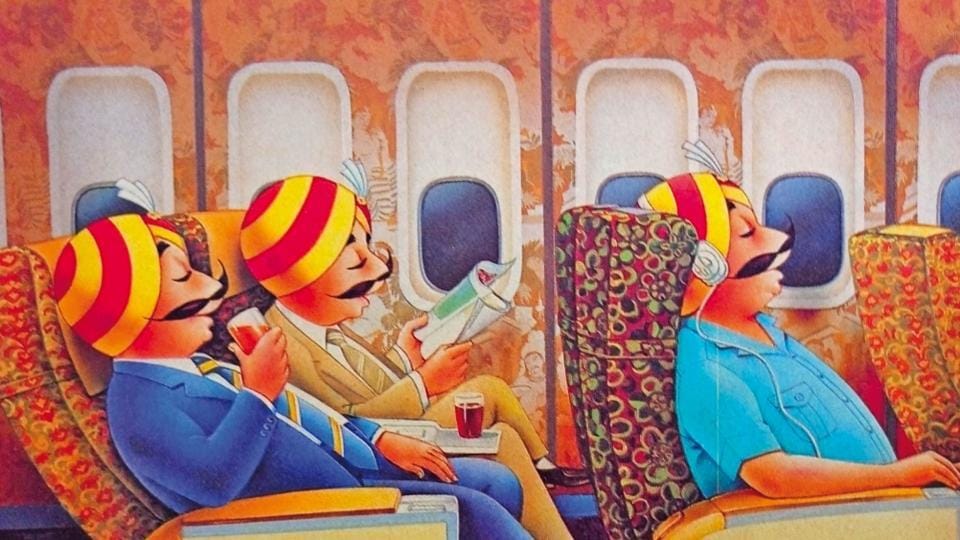
Are Air India’s new fashion and grooming rules for flight attendants regressive, or a first step towards a more efficient airline?
On an Air India flight from New York to Delhi a few years ago, a motherly flight attendant tucked me into my seat the way only an older Indian lady can. The same “air hostess” had kindly moved me from my original seat, 8K, in the first row in Business Class, to 14K in the aft cabin, with an empty seat next to me.
The Boeing 777-300 that AI operates on this route has a second, smaller Business Class cabin just behind the galley, with two rows of seats in a 2-3-2 configuration. Interestingly, the airline cordons off the six seats in the centre with curtains on both sides, and uses it as a crew rest area. On long haul flights, rules require cockpit and cabin crew to be provided a flatbed during their breaks.
I was happy. Having no seat neighbour allowed me to enjoy my window seat, and not have to jump over a sleeping co-passenger when I wanted to get out. After a generous serving of Indian khana with an extra portion of bhindi (courtesy: you know who!), I began to doze off. My friendly flight attendant unfolded a blanket and gave me some advice: “Don’t turn the seat into a fully flat bed,” she said. “Keep the headrest a little higher… you’ll sleep better.”
I did.
And when I awoke six hours later, I saw her standing in the aisle with her back towards me, hands on her hips, hair loosely tied in a bun. Only, she wasn’t wearing her AI saree now, she was wearing a maxi!
At first, I thought I was dreaming.
Then, I realised that she was headed into the crew rest area. A male crew member emerged from behind the curtains to make room for her, and he was wearing what I confess I sometimes wear when I’m home alone: the oldest, hole-ridden T-shirt and shorts you just don’t want to get rid of because they’re so darned comfortable!
The purser smiled in embarrassment as he exited the loo. His self-consciousness was noted and the need for comfort was well recognised, but in a public place, especially when it also happens to be your workplace, should one dress so casually?
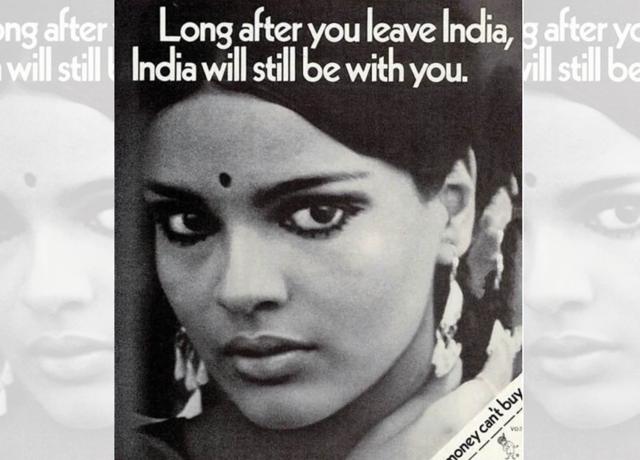
That brings me to the set of instructions that created a furore in the beleaguered airline that’s taking its first steps towards change.
Grooming gloom
A few days ago, flight attendants in the newly privatised Air India were up in arms against a 40-page circular titled “Image and Uniform Guidelines” issued by the office of the head of in-flight services, detailing the new rules of dressing and grooming when on the job, including break periods.
The biggest points of contention were funny: Male flight attendants with receding hairlines were encouraged to shave their heads (daily, no less!), and grey hair must be coloured to a natural shade. No henna or “fashion colours” allowed. Jewellery, for men, is restricted to one wedding band only, and a Sikh kada with a max width of 0.5cm in silver or gold, without any design logos or stones may be worn.
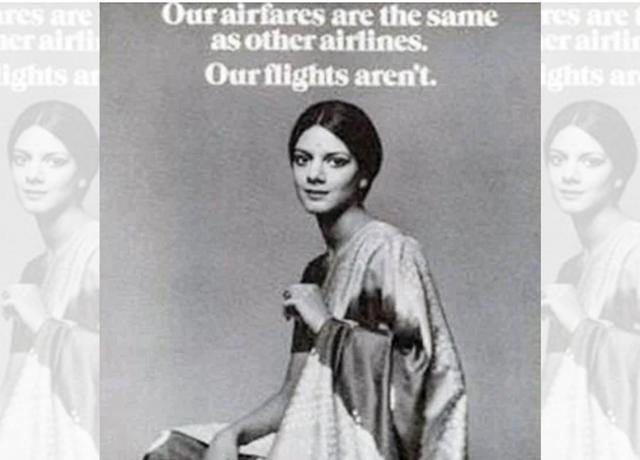
The rules for women were more exacting: Foundation and concealers matching the skin tone are mandatory. Personal shades in eyeshadow, lipsticks, nail paint and hair not permitted. Gel nail polish and French manicures are allowed with regular refills, provided they were well maintained.
In jewellery, gold and diamond studs are allowed in round shape only without any design, and pearls are not allowed. The bindi is okay only when the female crew is wearing the saree, and must be 0.5cm of size. Bigger sized bindis, the rules specify, are not allowed.
Men must have a side parting and not use volumiser; women crew members are forbidden very high-top knots or buns resting on the neck. Thin, sheer, invisible nets to hold the buns allowed, thick nets not permitted!
For both men and women, fitness bands and specified wrist watches are allowed, but rings with coloured stones and pearls, and thumb rings, are not allowed. Black and religious threads are not allowed either.
The Whatsapp protests caught the attention of leading social commentator Shobhaa De, who wrote an op-ed titled, “AI should focus on flying experience instead of bindis and buns.”
I remembered my experience from a few years ago, and politely disagreed.
Learn from the best
Did you know that when Singapore Airlines was carved out of Malaysia Airlines in the early 1970s, the Air India crew was invited to Singapore to share best practices? The Indian flag carrier, after all, was renowned for its service the world over.
Today, Singapore Airlines shares that honour, along with other airlines like Emirates, Qatar Airways, Etihad, Cathay Pacific etc.
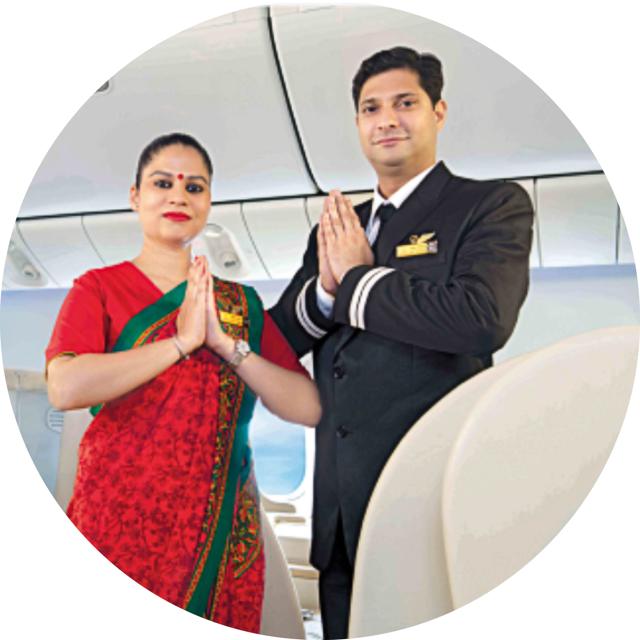
How do these airlines manage their staff’s grooming? A quick look around made it apparent that the 40-page circular was a tame one indeed.
“When I worked at Qatar Airways, I was pulled up for carrying my wallet in my pocket,” a former flight attendant with the airline told me. “It ruined the aesthetic of the uniform, I was told.”
An Emirates staffer told us about the rules on facial hair for men. “Moustaches had to be fully grown, they couldn’t be in transition,” he said. “And our rules even told us which direction the razor should run when we were shaving.”
Another cabin crew member added, “During layovers, especially in hot, temperate countries, we were warned that our tan should not exceed a certain shade, else we’d be grounded!”
A female flight attendant from Cathay Pacific smiled when I showed her AI’s new guidelines; she felt these were not even a third of what they were “subjected to.” (Her words, not mine.) “You must also remember that we use public transport to and from the airport,” she said. “Before each flight, a Grooming Officer checks for acne, blemishes etc, which cannot be covered up. The officer has the authority to offload us if the criteria is not met.”
Grooming Officers or Grooming Managers, we discovered, are an integral part of every good airline. A former Jet Airways flight attendant says, “We used to have one at every base. Men had to be clean-shaven; our bag style and sizes were specified, we had to ensure that not just our uniforms, even our aprons were properly ironed, and women were told when they had to wear heels (at the start and end of a flight), and when they could change into flats (during service).”
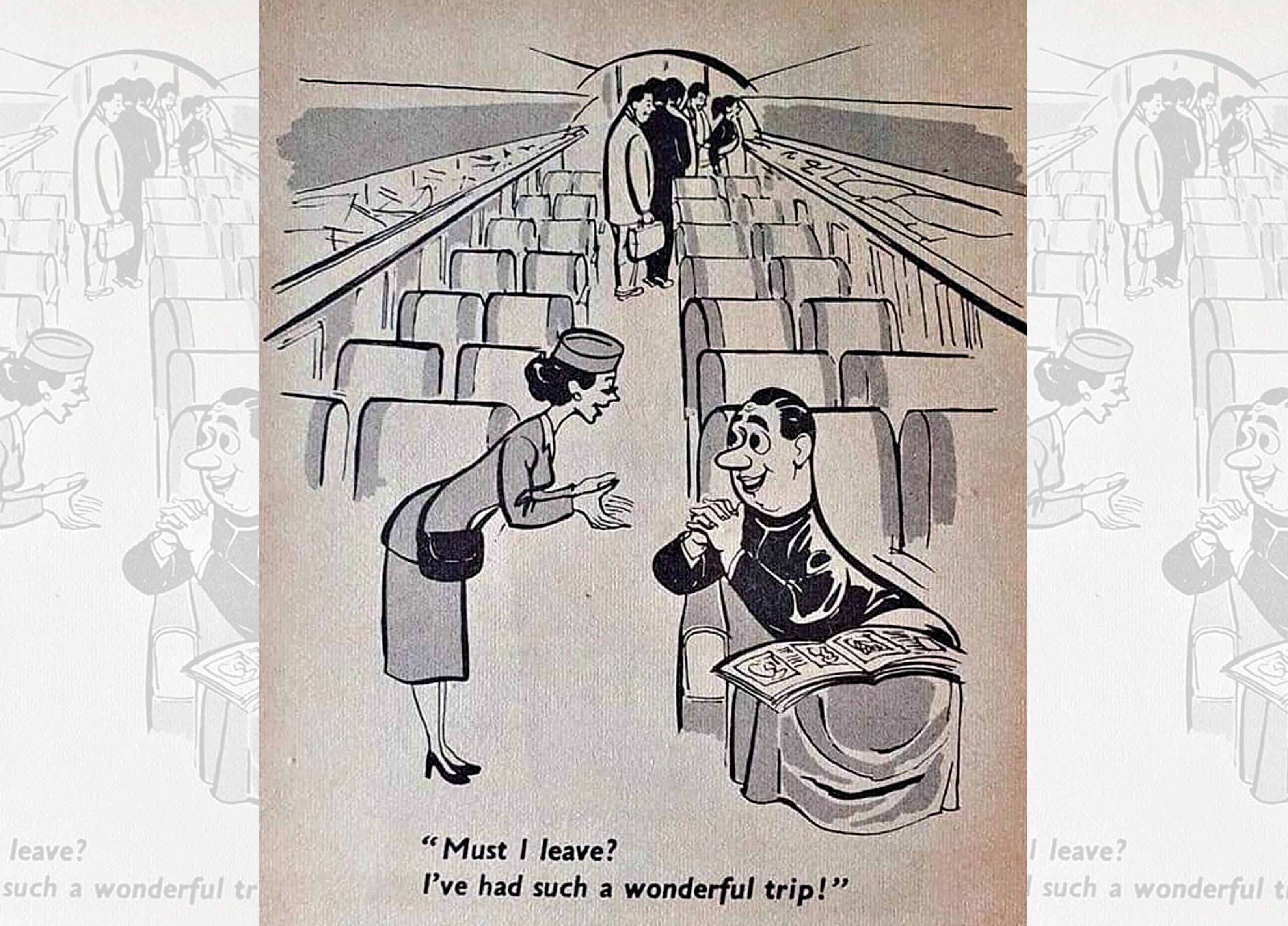
Of course there were rules on what to wear when off duty on a flight… maxis and shorts were not included.
The best airlines are the ones who implement these rules the most vigorously. Correctional training is common for serious offences and “grooming grounding” is also common.
A better self?
One school of thought argues that rules such as these are “outdated and regressive.” Many European airlines now allow their cabin crew to sport coloured hair, personal accessories, and follow gender-neutral grooming practices.
But an inflight trainer who has been in the business for almost 20 years argues, “If it’s a uniform, there has to be uniformity. What’s the problem?”
My take? Let the 40-page document become 80 pages long. Rules are good. But they must also be made with a finger on the pulse of today and an eye on the future. I reckon that eventually, AI’s super caring, starved-of-professional direction flight attendants will appreciate them too!
Follow @JamalShaikh on Instagram and Twitter
From HT Brunch, December 10, 2022
Follow us on twitter.com/HTBrunch
Connect with us on facebook.com/hindustantimesbrunch


