
 E-Paper



Necrotizing Fasciitis: Causes, symptoms, diagnosis and treatment

 Prefer HTon Google


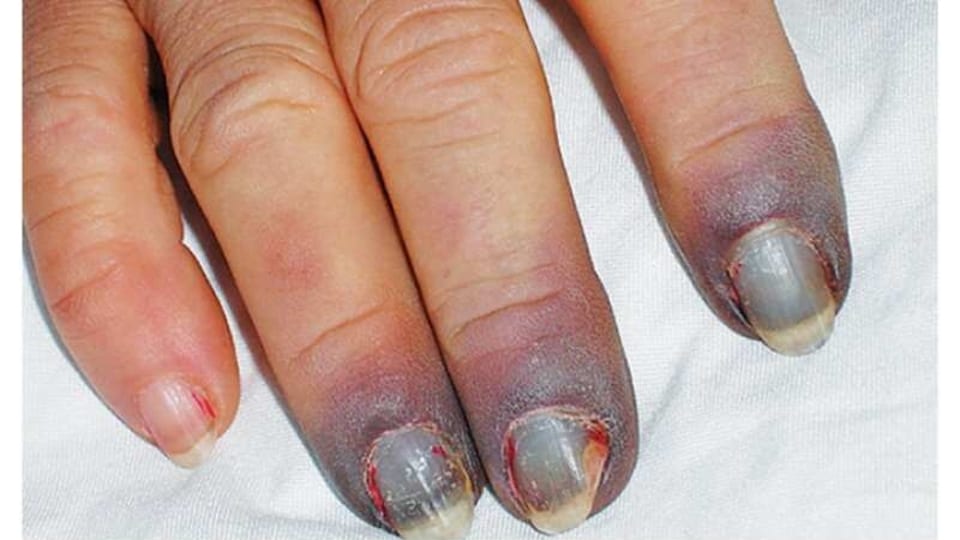
Necrotizing fasciitis is a rare but serious bacterial infection that affects the tissue beneath the skin and surrounding muscles. Here are its causes, symptoms, diagnosis and treatment
In the year 1871, Jones first described the fatal infection in the skin and soft tissues and called it ‘Hospital Gangrene’ and then, in 1950s, Wilson coined the term ‘Necrotizing Fasciitis’ which means necrosis (death) of the soft tissues. The necrosis which is mostly secondary to bacterial infection, is characterized by tissue destruction and spread of bacteria in the bloodstream (septicemia) leading to organ failures and at this stage, if aggressive treatment is not received by the patient it may cause death.
Necrotizing fasciitis is a rare, but serious bacterial infection that affects the tissue beneath the skin and surrounding muscles. Antibiotic therapy and early surgery is cornerstone of treatment.
Causes:
In an interview with HT Lifestyle, Dr Jagannath Kulkarni, Consultant, General and Laparoscopic Surgeon at Manipal Hospitals in Goa, explained, “Bacteria such as Staphylococcus, Streptococcus, E. coli, Pseudomonas, Bacteroides and Clostridium are the common causes of this dangerous disease. Infection can be due to a single or multiple bacteria; the latter one is more common. Introduction of these bacteria into the skin and underlying tissues happens due to trauma, injections, insect bites and rarely emergency surgery.”
He added, “Immunocompromised status such as Diabetes Mellitus, Chronic Kidney Disease, and Immunosuppressive Medication, Obesity, Peripheral Vascular Disease and Cancer are some of the common conditions that predispose to these infections.”
Dr Akshay Challani, Consultant, Critical Care Specialist and Medical Advisor at Apollo Hospitals in Navi Mumbai, shared, “Necrotizing fasciitis is a rare, but serious bacterial infection that affects the tissue beneath the skin and surrounding muscles. Necrotizing fasciitis is usually caused by bacteria, such as Group A Streptococcus or Staphylococcus aureus, entering the body through a cut or wound.”
Symptoms and diagnosis:
According to Dr Akshay Challani, early symptoms of necrotizing fasciitis can include:
• A red, warm, or swollen area of skin that spreads quickly
• Severe pain, including pain beyond the area of the skin that is red, warm, or swollen
• Fever
Later symptoms of necrotizing fasciitis can include:
• Ulcers, blisters, or black spots on the skin
• Changes in the colour of the skin
• Pus or oozing from the infected area
• Dizziness
• Fatigue (tiredness)
• Diarrhoea or nausea
Dr Akshay Challani said, “Diagnosis is usually based on a physical exam, medical history, and imaging tests such as X-rays, Ultrasound, CT scans or MRI scans. A sample of tissue cultures from the affected area may also be taken and analyzed for signs of infection.”
As per Dr Jagannath Kulkarni, “Diagnosis is based on clinical symptoms such as fever, pain, redness, swelling of the affected part, usually the limbs, although any part of the body may be affected. If there is severe disease, it may manifest with altered mental status, loss of consciousness and symptoms of multi-organ failure. It is called Fournier’s Gangrene when it affects the perineum; Ludwig Angina if it affects the neck area.”
Treatment:
Dr Jagannath Kulkarni revealed, “When the doctor examines the patient, clinical signs are tender warm swelling, gangrene, hyperthermia or hypothermia, tachycardia and hypotension. Blood tests, X-ray and scans of the affected parts guide in proper management of the disease. Early surgical intervention is the cornerstone in treating the patients with necrotizing fasciitis along with intravenous antibiotics. They may need ICU care and occasionally ventilator support till the critical situation tides off. Without surgery, the chances of death are nearly 100%.”
Dr Akshay Challani concluded, “Urgent surgical intervention is key to management. Treatment typically involves prompt administration of antibiotics and surgery to remove the infected tissue. In severe cases, amputation may be necessary. Pain management and supportive care may also be provided.”


