
 E-Paper



Psilocybin emerges as a promising therapy for treating mental health issues: Study

 Prefer HTon Google


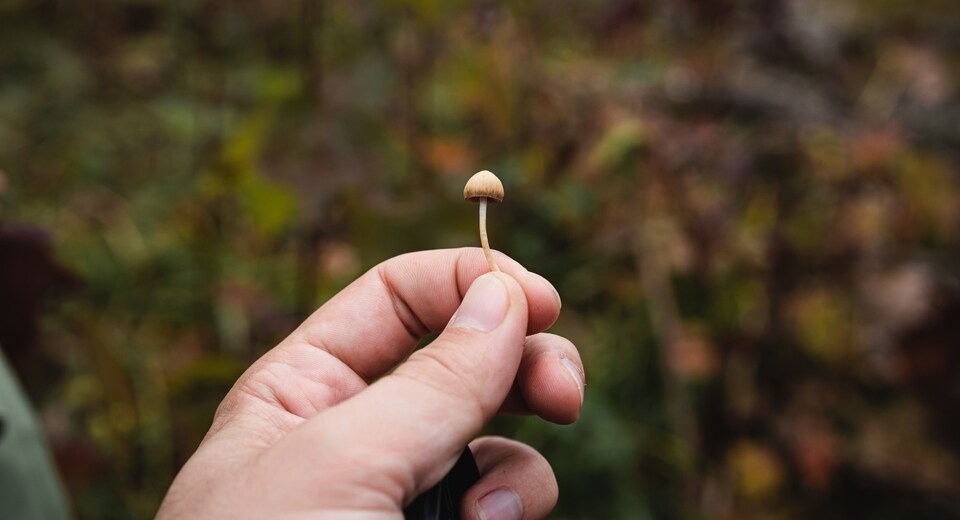
Recent scientific review in the Journal of Psychiatric Practice highlights psilocybin's potential in treating mental health issues.
An increasing amount of data suggests that psychedelic substances could be beneficial in the treatment of a variety of mental health issues. However, establishing their clinical benefits and overcoming the various regulatory barriers to their usage remain significant hurdles. The September issue of the Journal of Psychiatric Practise contains a scientific review and update on the therapeutic use of psychedelics, with a focus on the use of psilocybin for depression treatment.
The journal is published in the Lippincott portfolio in partnership with Wolters Kluwer. “At a time of growing excitement regarding the potential use of psychedelic agents to improve outcomes of otherwise intractable disorders, psychiatrists and patients alike need perspective on the current state of the evidence and the prospects moving forward,” comments lead author Amir Garakani, MD, of Greenwich Hospital, Greenwich, Conn., and the Department of Psychiatry at the Yale School of Medicine, New Haven, Conn.
"In this article, members of the Psychopharmacology Committee of the Group for the Advancement of Psychiatry and consultants discuss current research findings to provide guidance to clinicians concerning the prospects for psilocybin treatment for their patients struggling with debilitating depression." Psilocybin is a naturally occurring psychedelic substance found in "magic mushrooms." Many recent clinical trials have found psilocybin to be effective in treating psychiatric diseases such as major depressive disorder (MDD) and treatment-resistant depression (TRD).
Evidence suggests that therapeutic responses to psilocybin "stem from, or at least go hand-in-hand with, an intense emotional or mystical experience," Dr. Garakani and colleagues write. Studies suggest that psilocybin leads to increased "openness to experience" and psychological flexibility – enabling patients to "reconsider stereotyped perspectives and move beyond accustomed patterns of thinking."
Research into psilocybin's biological effects suggest increased activity between brain networks, without corresponding increases within single networks. Greater changes in brain network flexibility have been linked to lasting reductions in depression symptoms six months later.
To date, all psilocybin treatment studies have included a psychotherapy component, including preparation, dosing, and integration phases. In integration sessions, "Participants are encouraged to share their experiences, with the goal of helping them generate insights, and facilitating behavioral change," according to the authors.
Various dosing strategies are being evaluated in academic and commercial settings. These studies follow highly controlled protocols in carefully selected populations, with special attention to maximizing patient safety during the psychedelic experience.
Clinical trial registries show a "multitude" of studies planned or in progress, targeting MDD, TRD, and other conditions such as cancer-related anxiety and post-traumatic stress disorder. "The large number and wide-ranging scope of ongoing and future psilocybin trials not only show the interest in this drug in the scientific community but also the potential therapeutic role of psychedelics across diagnoses and clinical domains," the researchers write.
Earlier this year, the Australian regulatory agency announced approval for psychiatrists to prescribe psilocybin treatment for TRD. In the United States, psilocybin has been designated as a "breakthrough therapy" for TRD and MDD. While two states have legalized or decriminalized psilocybin (Oregon and Colorado, respectively), it remains a Schedule 1 controlled substance under federal law.
An official American Psychiatric Association position states that there is "currently inadequate scientific evidence" to endorse the use of psychedelics for treatment of any psychiatric disorder, outside of approved research studies. Nevertheless, "The research evidence presented here offers further support for the potential of psychedelics in mental health care," Dr. Garakani and colleagues conclude.
"Psilocybin has demonstrated promise as a novel therapeutic and offers new perspectives on the function and dysfunction of the brain," according to the authors. However, they add: "[I]t remains to be seen if the current clinical, legal, and research landscapes will allow delivery on that promise."


