
 E-Paper



Value your team if you want to survive Covid crisis: Manish Mehrotra

 Prefer HTon Google


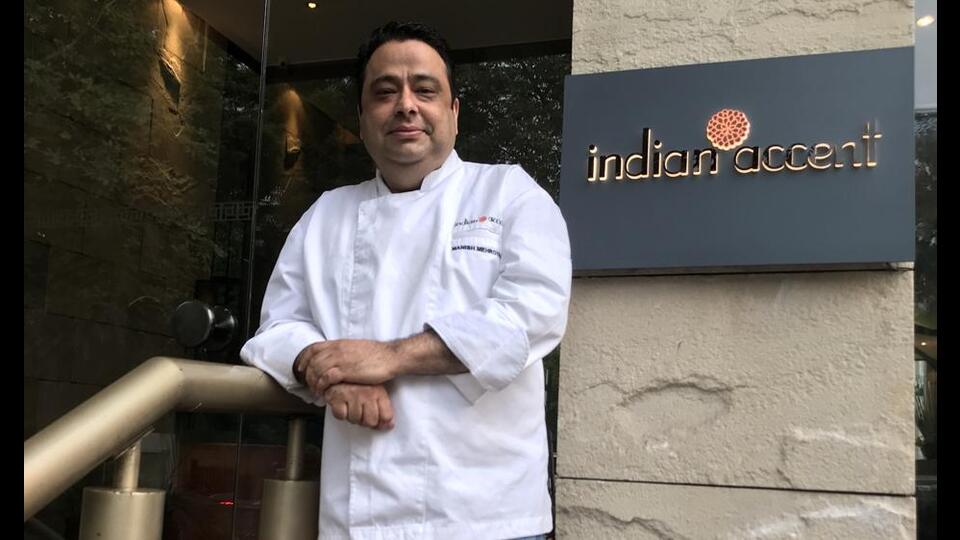
Don’t take anyone for granted, whether it’s your head chef or the guy who cleans your saucepans, says India’s top restaurateur-chef Manish Mehrotra, emphasising the power of teamwork
As the world reels under the third wave of the pandemic, restaurants once again face an uncertain future. India’s top restaurateur-chef Manish Mehrotra says that it’s not going to be easy to sail through. “Our industry is the worst hit because we are always the first one to shut down. Except restaurants, bars and banquet halls, most of the businesses are running. Things look pretty gloomy for us,” says Mehrotra.
He fears that this shutdown will be extremely detrimental for restaurants that were recovering from the incapacitating consequences of the pandemic. “We were bouncing back and we were somehow doing okay. And now are shut once again. This is the third time we are facing this situation,” he says.
Restaurateurs have no idea how they will recover the huge losses, says Mehrotra. “You have so many people working for you, there’s rent to pay, you have a live inventory in your hand and suddenly there is an order to close down. You don’t know what to do with your perishable stock. You have no choice but to pack up. The losses are immense,” says Mehrotra, who is globally acclaimed for his contemporary and experimental Indian food.
The uncertainty of the situation is also very mentally taxing, he says. “You can’t do any planning since you don’t know how long the restrictions will last. The mental pressure is crumbling,” he says.
Casual staff is badly hit
It’s the worst time for those who are not permanent employees, and restaurateur can’t do much for them as they have to prioritise their regular employees. “The casual workers or the daily wagers that you hire are left in a lurch. And you feel helpless because you already have seventy people to look after who are on your payroll,” he says.
Last year, some of Mehrotra’s employees left for their hometowns and never returned. “Some were so disheartened that they quit the industry. These are irreparable losses,” he says.
Takeaway not a viable option for all restaurants
As dine-in sales staggered in a pandemic-stricken world, a number of fine dining restaurants converted their dine-in menu into luxe single-serve takeout options. But Mehrotra says that it can’t be a feasible option for every restaurant. While his 3-year-old restaurant Comorin in Gurgaon does have takeaway options, it’s not a possibility for his 140 cover fine dining restaurant Indian Accent located in Lodhi, New Delhi. “With the kind of team and infrastructure Indian Accent has, business wise it’s not viable to function just for takeaways. The cost of opening the kitchen is very high,” he says.
Another reason that he wants to stay away from takeaways is that he believes that it will be an injustice to his food. “People don’t come to Indian Accent only for food. They come for the service, the wine we offer, the ambience, the drama. It’s impossible to re-create that in the form of takeaway. I can’t compromise on the experience we offer,” says Mehrotra, whose restaurant is the only one from India that has been on the list of ‘World’s 50 Best Restaurants’, since 2015.
While Mehrotra’s Indian Accent in London shut down last year amidst the Covid crisis, one in New York is functional. “It is easier to deal with the crisis there. The government has been extremely supportive. But that’s not the case in India. Our government hasn’t done much to support the restaurant business,” he says.
Sailing through the crisis
What will it take to overcome the crippling challenges? Mehrotra says that the learning from previous experiences will come handy. Highly controlled production, sourcing locally grown produce and waste management can be some ways of managing costs. If you manage your costs, you survive the pandemic, he believes.
But what will truly keep the businesses going in the long run is the productivity of the employees, says Mehrotra. “You have to motivate your people to give their 100 per cent. I don’t mean long working hours. I mean efficient working hours where people put in their best,” he says.
Employers must also realise that every individual and his work is important. “You can’t take anyone for granted, whether it’s your head chef or the guy who cleans your saucepans. Acknowledge each individual and their contribution. One of the biggest lessons that I learnt during the pandemic is that teamwork is crucial for survival. Effective team efforts will help you bounce back. Value your team and nurture them,” he says.
Also, multitasking is a great pandemic skill. “Training people to multitask will go a long way in strengthening your business. For instance, the tandoor guy can also learn how to work in the cold section or how to manage the curry section,” says Mehrotra.
And there can be no compromise on efficiency. “There is absolutely no room for lethargy when you are dealing with such a catastrophe. The typical laid-back Indian mindset has to change,” he says.
Evolving with the customer
Another important survival strategy is to tweak menus according to changing consumer profiles and preferences. “Guests are now making conscious, mindful choices. So we did a special vegan menu, a 13 course vegan extravaganza. We also did elaborate gluten free menus. We have to constantly innovate to meet the evolving needs of the consumer,” says Mehrotra.
Also, no areas should be off-limit for guests. “After guests have wrapped up their meal, we invite them to see our kitchen. It makes them feel very good. Maintaining complete transparency and being frank about your food sourcing, your functioning is important to build trust,” he says.
Making happy memories
Another important lesson learnt in the pandemic is to celebrate little joys of life, says the restaurateur-chef. “We have been through a lot, we don’t know what is going on and what’s going to happen in the future. We should learn to find joy in small things and celebrate each and every moment. Life is fickle and unpredictable. Let’s try our best to create happy times,” says Mehrotra.
He wants to tell his fellow restaurateurs and chefs that it’s certainly not easy to stay put but these trying times will definitely be over. Things will brighten up, guests will return and restaurants will be busy, buzzing, full of chatter once again. “It’s never easy to dole out advice in such times but there’s something I want to say. Let’s stick together and not feel let down. Let’s be patient, good times will come around soon, ” says Mehrotra.
“Utilise this time to bond with your team, look after their mental health and your own mental health. Money can always be earned later,” he says.
Once Indian Accent bounces back, Mehrotra plans to make every occasion, every celebration special for his guests. “We have been a celebration restaurant. We will have more of special festive menus, whether it’s Diwali or Ramzan. The idea is to create as many enriching memories as possible and food is one of the most amazing ways to do it,” he says, keeping optimism afloat.
Author tweets @sharahuda


