
 E-Paper



Rude Food by Vir Sanghvi: Sins of the flesh

 Prefer HTon Google


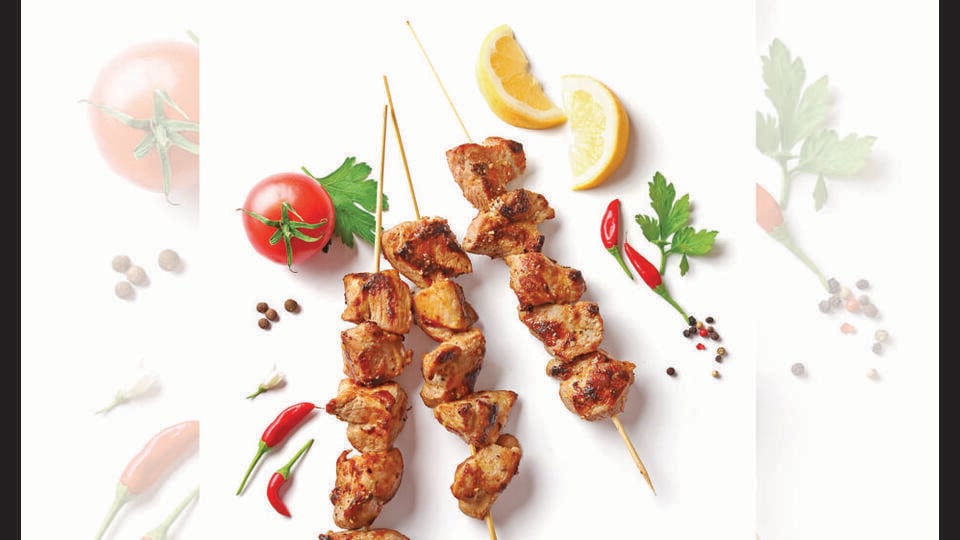
Westerners eat chicken, pork and beef, no matter how poorly the animals are bred. Why then, is the UK so outraged that their kebabs contain goat, not sheep?
The BBC has been very agitated about a huge ‘fraud’ being perpetrated by a kebab maker in Essex. Apparently, the company behind this massive ‘fraud’ made millions by cheating the buyers of its kebabs. The intrepid BBC correspondent who reported the story was told that over the years the kebab scamsters had made millions of pounds from selling these kebabs.
So, what did these unscrupulous kebab-makers actually do?
Well, instead of lamb keema they used goat keema.
Ho hum!
I get that the kebabs were advertised as being made from lamb and not goat, so there was some sort of deception. But beyond that? Nobody is saying the kebabs were poisonous or harmed anyone. So is this just a mislabeling issue? Probably. But the tone of the BBC report suggested that the kebab-makers had done something really shocking by using goat.
As I read the story, I felt some sympathy for our own kebabwallahs, who always use goat, but avoid saying so. Instead, at the lower end of the market, they say ‘mutton’ kebabs. (Only in India has the term mutton come to mean goat; in the UK it refers to meat from a sheep.) And at the top end (five-star hotels, etc), they lie straight out and claim it is lamb, which it clearly is not.
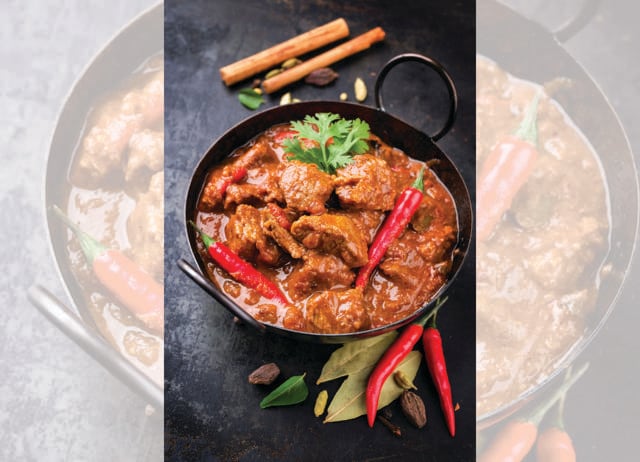
If the BBC’s goat-fraud correspondent had been sent to India to find people labelling goat meat as lamb, he or she would probably have collapsed from exhaustion: That’s nearly every restaurant and kebabwallah who serves meat. The correspondent would have had to retire after covering the first million restaurants because there were millions more to go.
The reason that the shock-horror reporting about the so-called kebab fraud in UK made me feel some sympathy for our restaurateurs and chefs is because they have said for years that foreigners get put off when they hear that goat meat is being used. I have always disregarded this explanation and berated our restaurateurs for lying.
But, judging by the BBC’s bakri-phobia, they probably have a point. Better to tell a little lie than have to explain to clueless Westerners that Indians have traditionally always preferred goat to lamb in curries and kebabs.
Moreover there is no evidence that goat meat is bad for you. In fact, it is healthier (leaner, less cholesterol, etc) and the fact that Westerners never seem to be able to tell the difference between lamb and goat suggests that the two meats are similar enough in many ways. (In the case of the Essex kebab scandal, they actually had to conduct DNA tests before they could tell that it was goat meat and not lamb.)
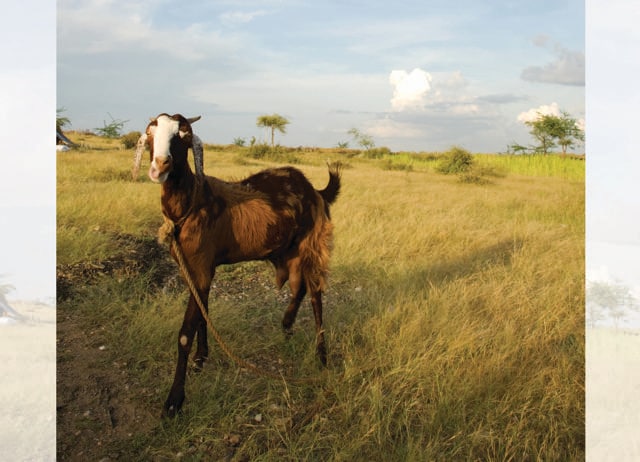
So, the problem was not with health, safety or flavour. It was that the idea of eating goat shocked Brits. The BBC report drew parallels with the 2013 horsemeat scandal when DNA tests demonstrated that packaged food companies were adding horse keema to beef ragu. Once again this was not about health or flavour. Italians often eat pasta with a sauce that contains horsemeat. The problem was that people were horrified to discover that they were eating horse! It was the idea that was more distressing than the pasta sauce itself.
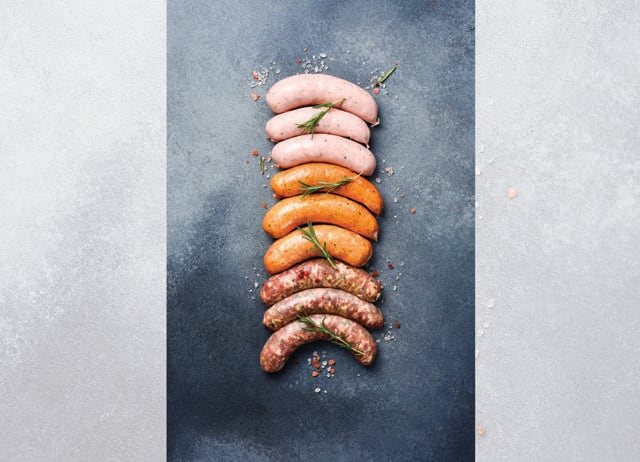
It must be said that most of the chickens sold in the UK come from industrial farms and their quality horrifies lovers of farm-bred chicken. Many packaged foods in Western countries are made by mechanically extracting meat from bones and supermarket sausages may contain beaks and anuses of animals.
Foodies protest about this all the time but there is no real outrage in the British mainstream media because Westerners are happy eating chicken, beef or pork no matter how poorly it is bred and it does not seem to matter to the customers how many nasty parts of the animal go into the packaged meats they buy.
In India, we are less tolerant about beaks and anuses in our keema and, in a very Indian way, are happy to muddle the distinctions between the animals that we eat. Let’s take beef. Even in states where it is legal to sell beef the distinction between beef and buffalo meat has always been deliberately muddied. And though we are among the largest exporters of beef in the world we say that what we export is buffalo meat which it sometimes is and sometimes isn’t.
It’s easy enough to tell the difference if you are cooking a steak. Buffalo meat is darker, less tender and usually takes longer to cook because of the density of its structure. Only one buffalo steak cut -- the undercut-- can be mistaken for beef. Undercut is a term popular with Indian butchers but in the West the same cut is called fillet or, less commonly, tenderloin. That’s why Indian menus often refer to tenderloin. It could be buffalo or beef and restaurateurs like the ambiguity.
But once you get past the steak it becomes difficult to tell the two meats apart. A buffalo curry will take longer to cook but once it’s ready, it is easy to claim that it is beef. With keema it is even more difficult for the average person to tell beef apart from buffalo. So the buffalo-rather-than-beef substitution is easier to pull off with hamburgers or kebabs.
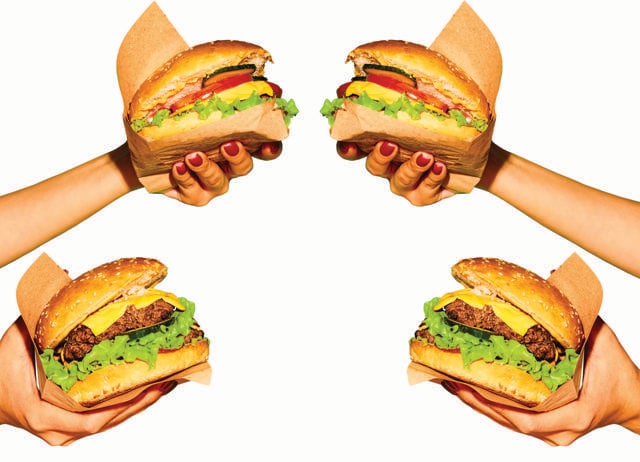
But because of the political climate restaurateurs prefer to pass beef off as buffalo; it’s much safer that way. A decade ago, the Delhi Police raided Kerala Bhavan presumably because of the deliciousness of the chilli-fry in the canteen which, they were sure, must be made with beef. A DNA test proved it was buffalo the happy diners were eating and the cops went home to eat crow.
I am sure that every Brit who has visited India has eaten buffalo believing it to be beef. But don’t tell the BBC unless you want another shock-horror expose.
In the end it’s not about health or flavour. The objections to eating goat or buffalo stem only from cultural conditioning. We have our own conditioning: I doubt if many Indians can stand the faintly urinous taste of British kidneys on toast, and we would be shocked if we knew what went into Scotland’s national dish,haggis: It’s heart, liver, lungs and kidney fat.
But don’t worry! It’s not goat. Because that would be really terrible, right?
From HT Brunch, August 15, 2026
Follow us on www.instagram.com/htbrunch


