
 E-Paper



Why keep ‘objectionable’ book like War and Peace at home? Judge asks activist
The speeches have been blamed for allegedly triggering caste violence that left one person dead when Dalits gathered near Pune the next day to celebrate the 200th anniversary of the victory of Mahar scheduled caste soldiers of the British East India Company over Brahmin Peshwas at Bhima-Koregaon.

 Prefer HTon Google


The Bombay high court on Wednesday asked activist Vernon Gonsalves to explain the “objectionable material” like a copy of Leo Tolstoy’s War and Peace found at his home after the Pune police opposed his bail citing “highly incriminating evidence” in the form of “books and CDs with objectionable titles” recovered from his possession.
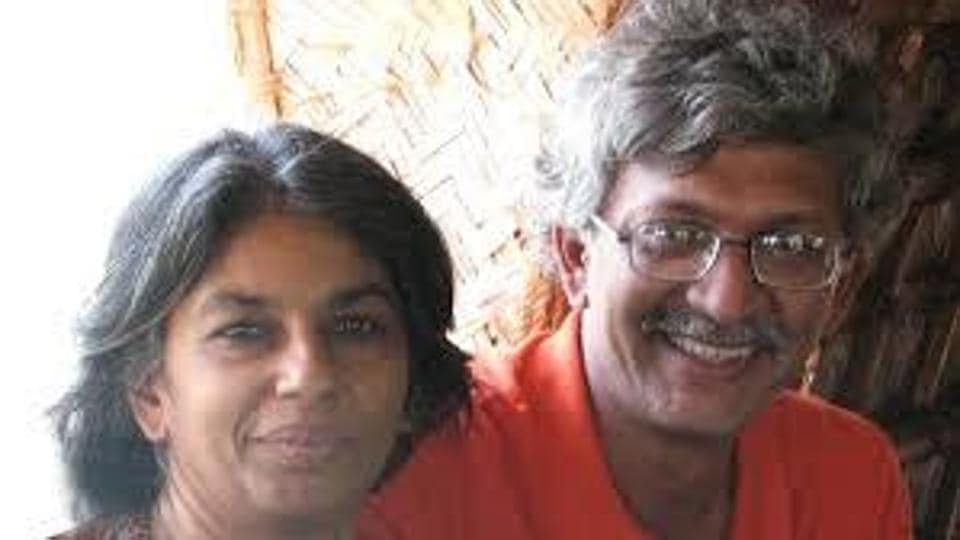
Justice Sarang Kotwal referred to Tolstoy’s novel based on Napoleon’s invasion of Russia in 1812 and other material and said “such books” and CDs prima facie indicated they contained some material against the state.
“The title of the CD Rajya Daman Virodhi itself suggests it has something against the state while War and Peace is about a war in another country. Why did you [Gonsalves] keep objectionable material such as books like War and Peace... at home? You will have to explain this,” said justice Kotwal.
The court was hearing bail pleas of Gonsalves and five others, who were arrested last year for allegedly making provocation speeches on December 31, 2017.
The speeches have been blamed for allegedly triggering caste violence that left one person dead when Dalits gathered near Pune the next day to celebrate the 200th anniversary of the victory of Mahar scheduled caste soldiers of the British East India Company over Brahmin Peshwas at Bhima-Koregaon.
The Pune police, which is probing the case, earlier claimed Tolstoy’s book was part of the “highly incriminating evidence” it seized from Gonsalves’s house in Mumbai last year.
They are probing alleged Maoist links of Gonsalves and the five others, who have been arrested under the Unlawful Activities (Prevention) Act, for organising a gathering called Elgar Parishad ahead of the event to commemorate the 200th anniversary of the Battle of Bhima Koregaon on January 1, 2018.
Activists and academics Shoma Sen, Rona Wilson, Sudha Bharadwaj, Arun Ferreira, and Gautam Navlakha are others arrested in the case.
Gonsalves’s lawyer, Mihir Desai, told the court that the police have based the case against his client on the basis of some emails and letters recovered from the computers of other people. “None of these letters or emails were written by Gonsalves or were addressed to him. Therefore, in the absence of any cogent incriminating evidence against him, Gonsalves should not be denied bail,” Desai said.
Advocate Aruna Pai, who is representing the Pune police, said the police did not find any electronic evidence against Gonsalves from the computer and hard disk recovered from his house. But he added the police found “highly incriminating evidence” in the form of “books and CDs with objectionable titles”.
Desai said “mere possession” of such books and CDs “did not make Gonsalves a terrorist or a member of any banned Maoist group”.
Justice Kotwal agreed with him even as he asked Gonsalves to explain why he kept such material at home. He said the police, too, have to do “much explaining” to convince the court that the material found in the CDs and books is incriminatory.
(With PTI inputs)


